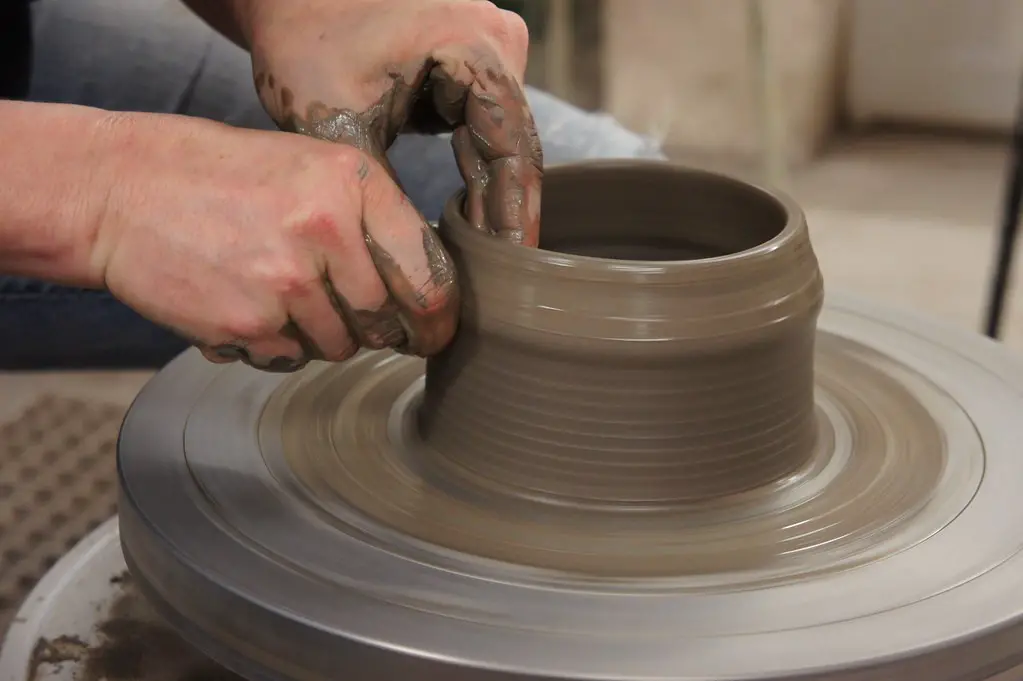

One common pottery issue is you’ll hear a “pinging” sound and you might wonder what that is. It’s the result of something called crazing, which is a pottery defect that happens to new pottery that is under tension.
Why does my pottery ping though? Why does it continue to happen, even after many years?
Read on to find out. We will examine why crazing happens, and how you can prevent it.
Crazing and Pinging
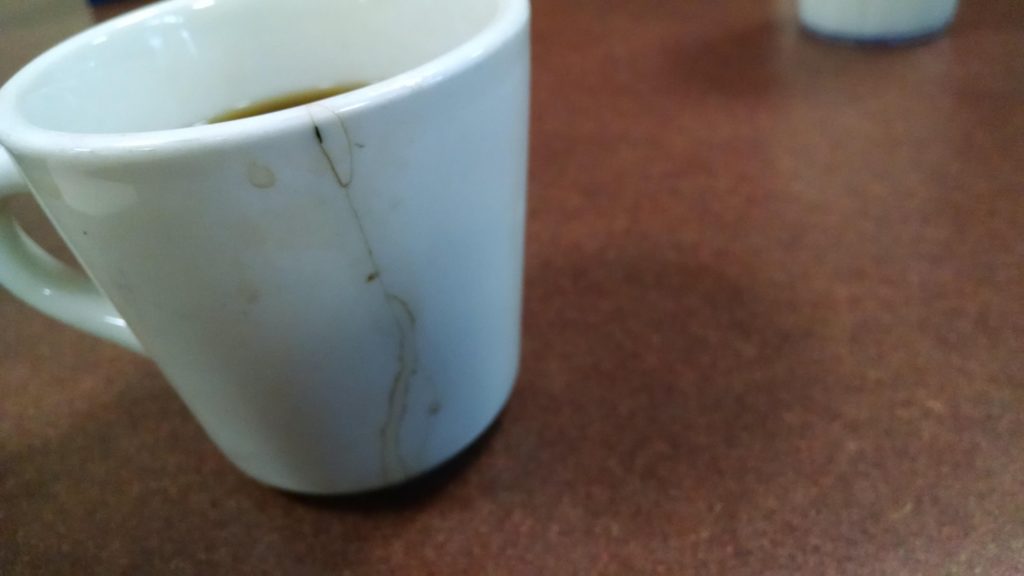
Crazing essentially is a group of lines and racks that happen over a glazed surface which is caused by tension. what’s crazy about this is that it can happen immediately, or years later.
Some symptoms of this include the following:
- Strange “pinging” sounds
- Weakened pottery
- Germs and bacteria flock to it
- It can’t be used for anything
If you do have some pottery that gets crazed, it’s best if you never use it for consumption because some areas aren’t glazed so it might harbor silica and other toxins which can cause great harm to the pottery.
Do different Vessels get affected by this?
Yes, it depends on the type of vessel. Some do tend to craze more than others, and it also other factors that can affect the pinging.
Some factors that cause this include the following:
- The type of clay
- The glaze used with that
- How much do you use the vessel
- Any temperature extremes
The pinging happens because the vessel is weaker, and because of that, it’s not always a desirable thing. Pinging happens for long after it’s been glazed, and the cracks can grow over time if you’re not careful.
Can you create pinging Effects Purposefully?
Yes, you totally can. Some like to create this on purpose for various reasons.
The different ways to create this effect include the following:
- Melting glass
- Fusing it into a pot
- Using white glazes
- Letting it crack through the use of rapid cooling before it enters reduction and smoking.
Some people like it because it creates beautiful cracks that can look and be very aesthetic in their own way. But, the problem with crazing and creating this on purpose, definitely won’t help the pot.
That’s because, when you have this happen, every single pot becomes weaker, and tends to break apart.
Thus, if you do want to create this, make sure to consider the following:
- There is more chance of it breaking
- There is a chance the cracks will get worse
- The pottery is significantly weaker than most
- It is not used for food and drinks
If you want to try to do this with your pottery, by all means, go for it. Just know that there are a lot of downsides to it, and there is a reason why this isn’t something you should be going for.
Does the Glaze Fall Off?
One common issue with pinging pots is that they can make the glaze fall off. That’s partly because it is partial to breaking, and since it is not watertight it can be pretty problematic.
When you have crazing or pinging happen, the following occurs in the glaze:
- It shrinks the glaze more than the clay body does
- The tension occurs
- The cracks happen
- It can continue to happen until it stabilizes
However, some crazed pottery does stop pinging. Pinging can randomly happen over time, or it can be a temporary thing.
Look at Recipes
The most common way of fixing your pinging pots is, of course, looking at your glaze. If you’re using a clay recipe, you’ll want to adjust the recipe to accordingly fix it.
pinging tends to happen when there is too much tension from the glaze, and if your glaze is too much for the clay or the wrong type, this causes issues.
Some ways to fix this instance include the following:
- Make sure your recipe follows the instructions
- If there is too much of one element, get rid of it
- If you notice there is not enough, do change this
- If the pottery glaze is meant for a certain clay body, don’t mix this
Pinging pots can usually be fixed with this, and it’s quite cool. On another note, certain elements, including those made with Celedon, tend to make it crack so much more often, so if you use recipes with Celedon, I suggest refraining from using them unless you want pinging pots.
Decorating These Pings?
Some potters like the effects of the tiny cracks that happen, and sometimes it’s desired.
There are some cool ways to decorate the pottery when it pings, and some of the cool ideas include the following:
- Painting it over with black to showcase the crackle effects
- Rub this away to create darkened cracks
- Paint in the lines of this to create an effect
Now, some people like this for decorative reasons, but you should if you’re planning on selling this to anyone make sure that it isn’t listed as a functional piece.
Don’t open the Kiln Early!
Finally, don’t open your kiln early. If you do, this can make pots ping for a variety of reasons.
The reason this occurs is the following:
- Too much heat is leaving too fast
- The mixture of temperatures causes stress on the pot
If you do this, it can make the pot explode, so always be careful.
When you hear a pinging pot, it typically isn’t a complete cause for alarm, but instead, it’s a beginner’s mistake that can happen. However, if you are going for the crazing effect, then have at it just make sure you know that it can be much weaker than the other pottery made with the same bodies.
When making pottery, always watch the type of glaze you use so you can prevent pinging from happening as well.