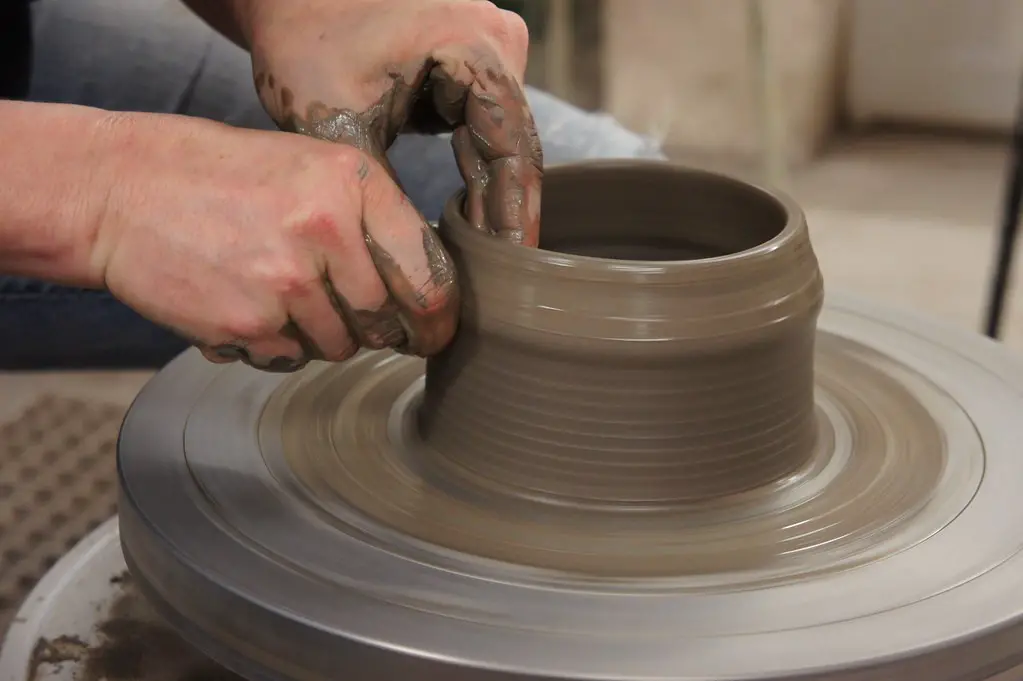
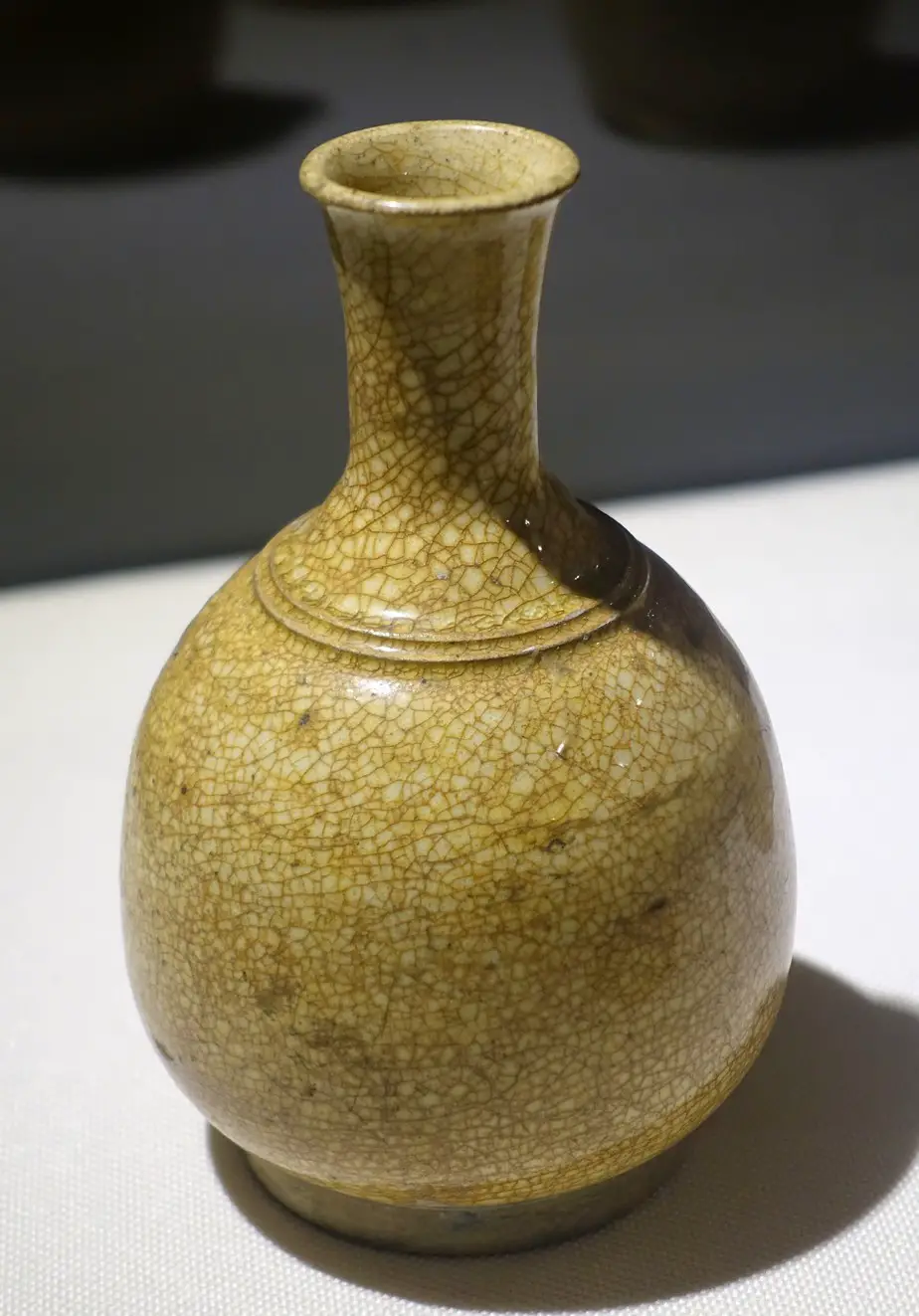
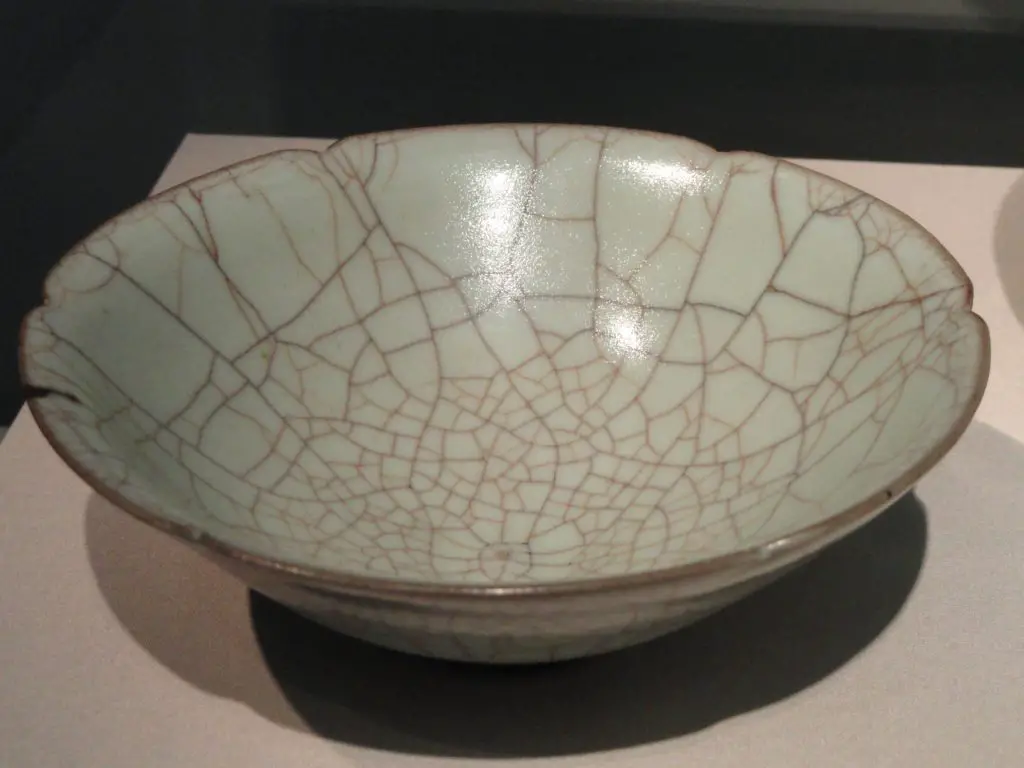
You may have heard of crackle glaze, also called crazing. This does involve a specific technique, but there are a few chemicals that can help with creating this, and here, we’ll talk about what they are.
If you’re wondering what chemicals make up crackle glaze, then you’re in luck because here, we’ll explore a few different types, and why these chemicals are needed to do this.
What You Always Need in Crackle Glaze
Two chemicals are always necessary for crackle glaze, and here, we’ll talk about what they are.
If you want crackle glaze, you need two types of oxides, and they are as follows:
- Sodium oxide
- Potassium Oxide
These two oxides are needed in this for a variety of reasons, and they are important when learning about crackling.
Some of the reasons why you may need this is because of the following:
- They have the highest level of thermal expansion
- They can usually be found in ceramic materials
- To craze, you need to make sure that it does get fired hot to expand, and then from there, let it cool down fast to create the crazing lines
If nothing else, you always have these two, and you’ll want to have them there.
Sodium Silicate
Another very important chemical is sodium silicate, and this is another great way to create crazing on a piece for a variety of reasons, and they are as follows:
- They dry quick
- The surface doesn’t always feel tacky
- You can do this quickly, and gives instant results
- It quickly hardens on the surface, encasing everything and making the clay less malleable
- By using a heat source such as a blowtorch, you can create a cracked, almost salty look to it
This is a good one due to how it can give a nice glazed surface to it, and it also gives a nice feeling to it.
Sodium Chloride
This is a variant of the one above and another popular chemical. Did you know that you could also use this with different solutions, including the following:
- Saltwater solutions
- Sugar and salt together, which creates caramelizing
This is another good one because it creates a lot of speed when it’s done, and you don’t need to spend a lot of time with this, just make sure the coating is hard and the moisture isn’t absorbed underneath it all.
Typically, you do it similar to how you would the sodium silicate solution, and they are as follows:
- Throw a piece of clay, and clean the surface of the extra slip, decorating it with small impressions
- From here, paint the surface of this with the solution itself
- You can then throw it on a kiln, or even use a blowtorch with this
- At this point, you’ll again get a thin salt glaze to this
This is a unique type of crazing, and you can use this to create cracks along with a shiny surface for impressions, making it even better than ever.
Aluminum Oxide and Silicon dioxide
These two chemicals are important for a couple of feldspar solutions that are used in crackle glazes, including the following:
- Ferro Frit 3110
- Ferro Frit 3195
Both of these chemicals are often very popular in raku crackle glazes for a few reasons, and they include the following:
- They can increase the kaolin and silica in there
- They can reduce the melt fluidity
- They can prevent the runoff of glaze from the ware itself
- This can also improve the crack lines as well
The cool thing about these chemicals is that if you do decide to use them in different Frit mixtures, you get different results, and you’ll get some interesting results.
Some of the cool changes include the following:
- Ferro Frit 3195 produces less crazing
- If you blend these two with more 3100, you get a lot more crazing
- You can always change up and control the recipe as well
- You can also keep the oxides constant but move the KNaO (Ceramic oxide KNaO Potassium/Sodium Oxides) up a lot to increase the crazing, and down to reduce it
So yes, you can mess with all of these chemicals to produce some amazing types of crazing, and it’s so different from what you may be used to that it can markedly help your functional wares.
Cautions on Crazing
There are a few cautions that you should know about with crazing, however, and they are the following:
- It will weaken your ceramic ware
- You shouldn’t use this with thin-walled items since this can cause the walls to be torn apart
- You shouldn’t use this for functional ware, not only because of how weak it is but it also is a breeding ground for bacteria
- You should learn to explore the ratios of this and work to see how you can control the crazing
When it comes to crazing pottery, the manipulation of chemicals and the like is the best way to create some remarkable shapes and sizes, and with this, you can create so many different wares that it’s not even funny. Making the right functional ware with crackle glaze is important, and you can learn to manipulate this as needed.
Crazing is a great pottery technique if you’re looking to create a more decorative piece rather than something functional. The main focus here with crackle glaze, however, is to realize that you should manipulate the different chemicals within this to create the best pottery that you can.
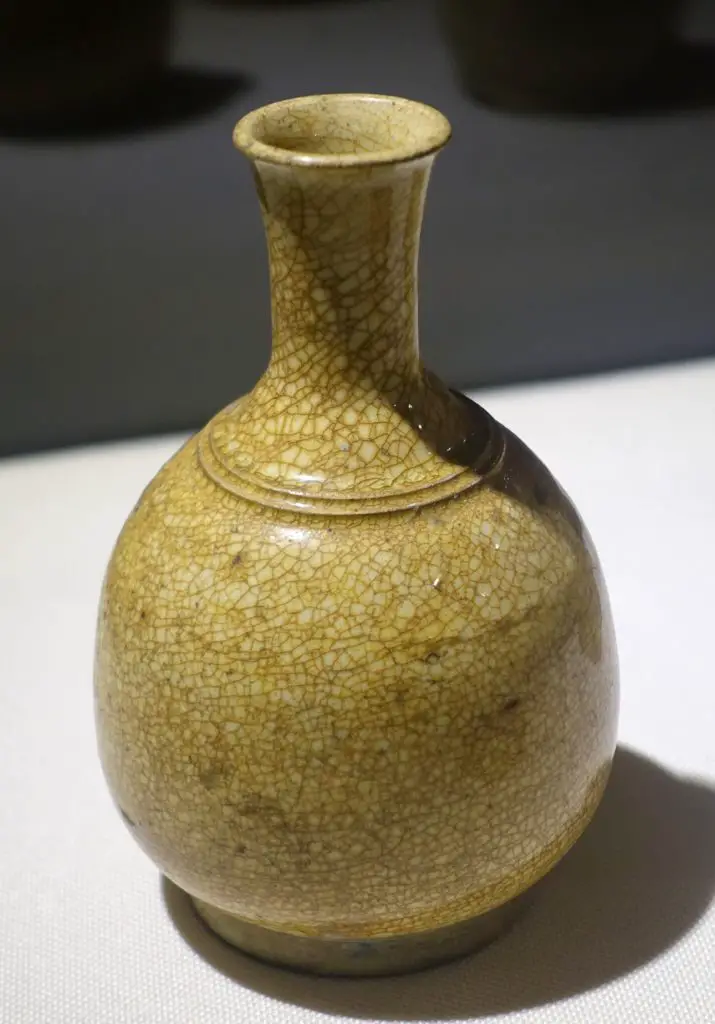
By learning these, you’ll be able to reduce or increase the crazing in your piece, which will, in turn, create a better piece for you to use, and one that you can be proud of. Learn this today, and see the difference it makes.