Tutorials
-
Can You Paint Pottery that Has Been Glazed?
Glazing is an important part of the pottery process and helps preserve the pottery along with the colors added to it. However, with time the glaze might wear off, and you might have to repaint the ceramics to retain its luster. In addition, when painting on a glazed surface, the paint fails to stick onto…
-
How to Dry Air-Dry Clay Without Cracking?
Beginner artists love working with air-dry clay, mainly because it doesn’t involve working with the potter’s wheel. The best thing about this clay is that it dries out with time due to air exposure and doesn’t require firing for permanency. However, a few reasons could bring about cracks in the sculpture. So, how can you…
-
The Top 3 Mistakes When Painting Pottery
One thing that makes your pottery piece stand out from the rest is a unique painting or design added on top. Now, adding colors to your molded pottery isn’t a straight road. You need to first understand the ways you can paint them in order to avoid any mistakes. The first method is glazing, while…
-

How Do You Bake Clay In The Oven?
Are you searching for a kiln to bake your clay sculpture? Kilns can be pretty expensive, especially if you are just starting out as an artist. So, how would you bake your clay sculpture? Well, the answer to this depends on the type of clay you are using for your artwork. If you are using…
-
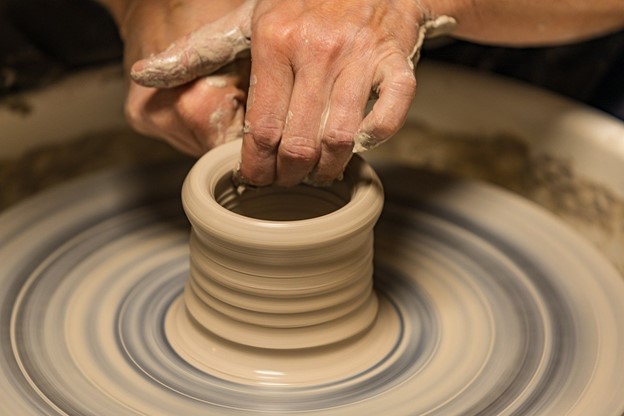
How Wet Should My Pottery Be When Throwing?
Before you start figuring out the wheels and the ways to throw your clay the right way, you must know the right moves to prepare the clay. Preparing your clay correctly helps in successful throwing and helps you prepare some amazing pottery pieces. One question that would surely be ailing you as a beginner crafter…
-
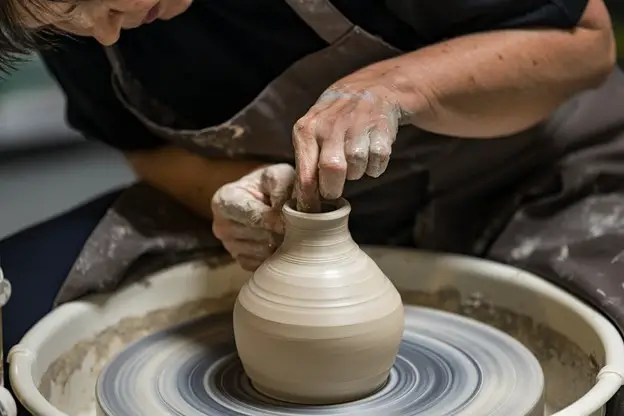
Why My Clay Won’t Stay Wet When Working?
Clay variants such as ceramic clay or air-dry clay tend to dry out when exposed to air while working for long. In order to keep your clay workable, you need to ensure that it is moist for a long time. The key to preventing it from turning unmalleable and hard is to add the right…
-
The Number 1 Tip When Slipping Your Pottery
Pottery is a mesmerizing and time-consuming task. It requires great patience from the beginning till the end. There are various techniques involved in the process. One such important technique being used by potters for a long time is the pottery slipping process. This slurry-like mixture is made up of clay particles mixed in water. …
-
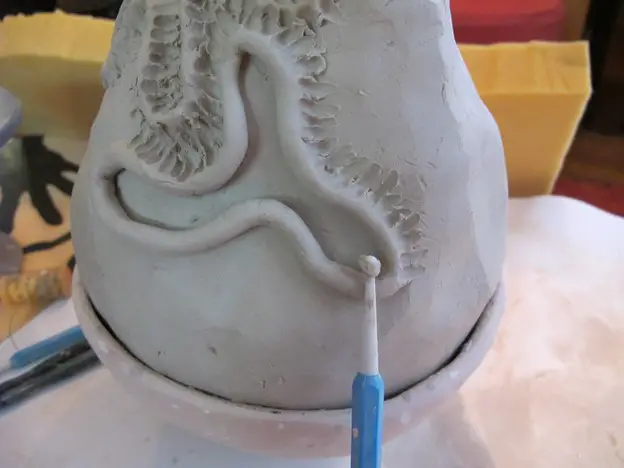
The 10 Best Tips on Scoring Your Pottery
Crafting out of clay can be a tedious process, and there might be times that you need to replace a part or add one. Now, the process of adding or replacing a piece might not be as simple as you might think. There is an elaborate process that requires you to scratch the hash marks…
-

Your First Air-Dry Clay Project
Did you just discover how great air-dry clay is? Well, this versatile clay is so amazing that you can literally craft your pieces and make them permanent without the use of a kiln. Best of all, it is inexpensive and can be an ideal start for beginners. But as you start your very first air-dry…
-
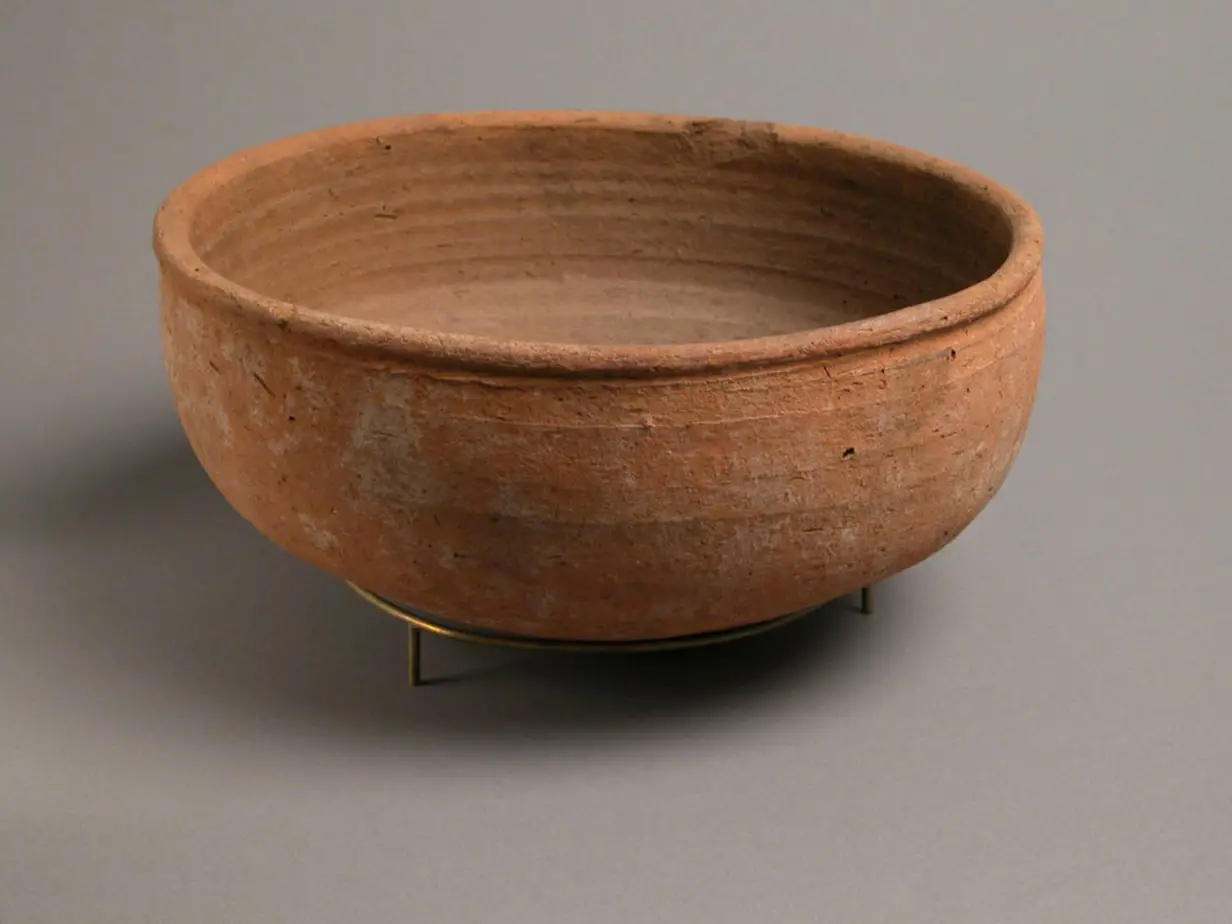
What is the Easiest Thing to Make in Pottery?
Are you a pottery enthusiast in the making? Are you looking for something easy and simple to start your pottery experience with? Well, the pottery world is a diverse domain. An artwork that is easy for you might not be easy for someone else. However, there are a few basic items that are fairly easy…
-
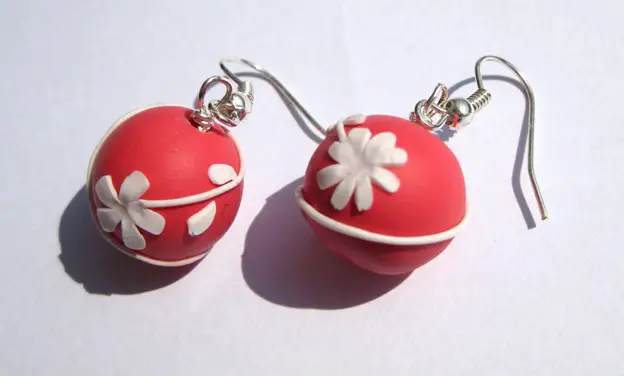
The Top 10 Ideas When Using Air-Dry Clay
By now, you must have mastered the art of using air-dry clay. Everything from kneading to drying the project perfectly needs patience, and you must have mastered the same by going through our extensive guides. The best thing about air-dry clay is the fact that you don’t have to fire it in a kiln. So,…