The best clay options in your home pottery-making set-up are either air-dry or polymer clay. This is because the use of a home oven doesn’t generate enough temperature to fire traditional clay variants like earthenware or stoneware. However, if you do wish to use stoneware or earthenware, you can surely take your pottery ware to the bone-dry state in a home oven before you fire it in a regular kiln. Now, you don’t necessarily have to fire in a big professional pottery kiln. You can also invest in a tabletop kiln that costs way less than a professional large-sized kiln. So, what is the difference between earthenware and stoneware for home pottery making? Let us learn more about it!
How Is Earthenware Different From Stoneware?
Earthenware is commonly used by artists for its low firing temperature that ranges between 13000F and 2120oF. However, stoneware tends to fire at a higher temperature which falls between the range of 2305oF and 2336oF. Now, if you have a home pottery studio that only has a home oven, you won’t be able to fire the clay to permanency. A standard home oven’s temperature cannot exceed 500oF. Even if your oven is the best in the market, the maximum temperature you can get here is 800oF. This is nowhere close to what you need for earthenware or stoneware firing.
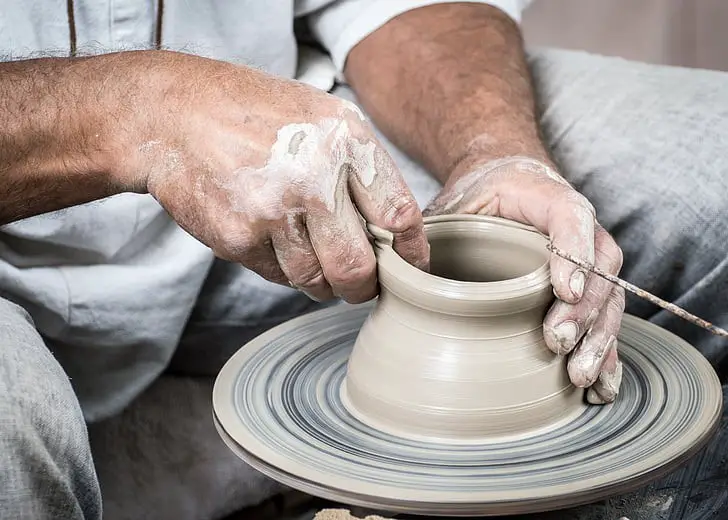
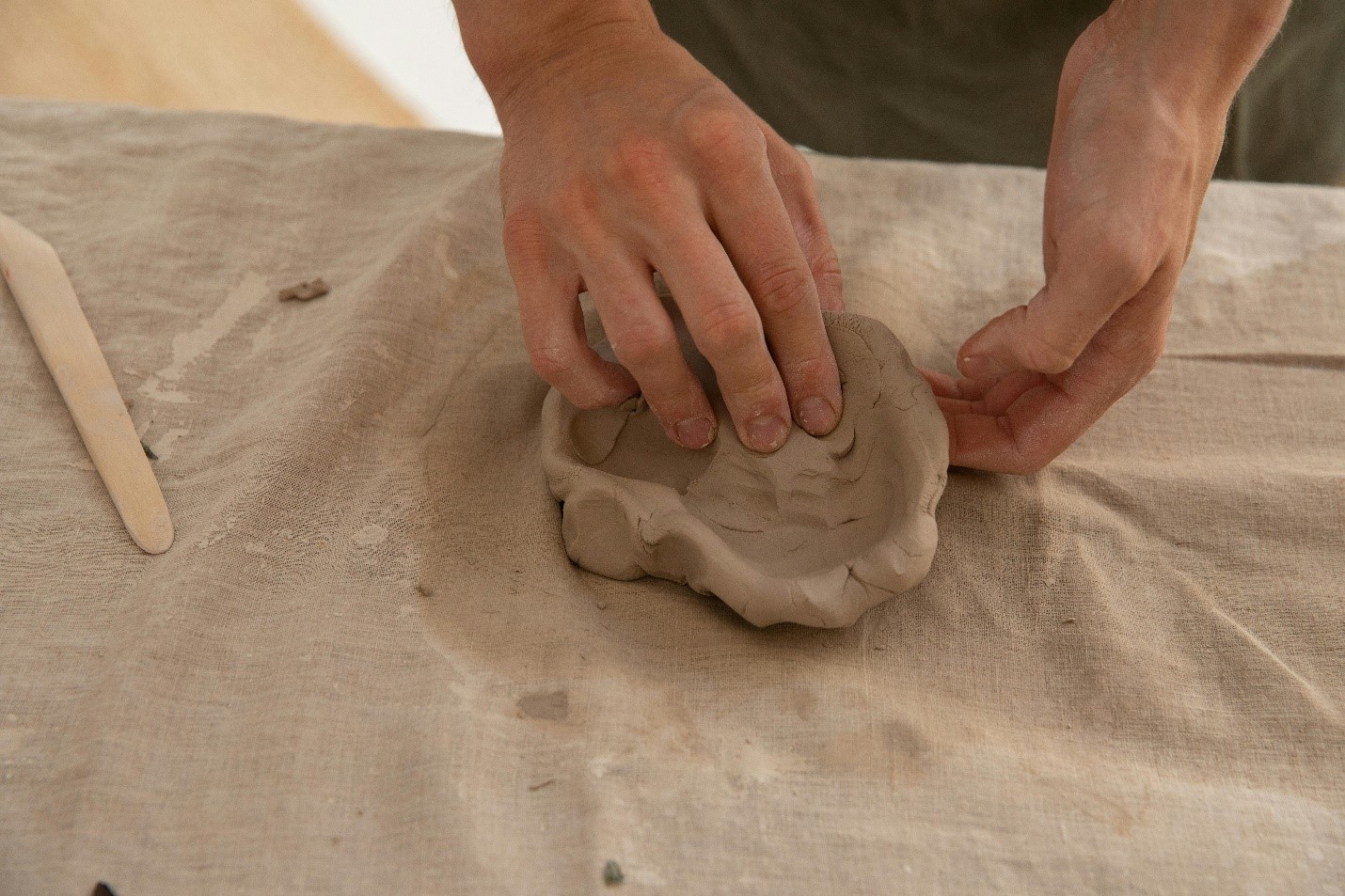
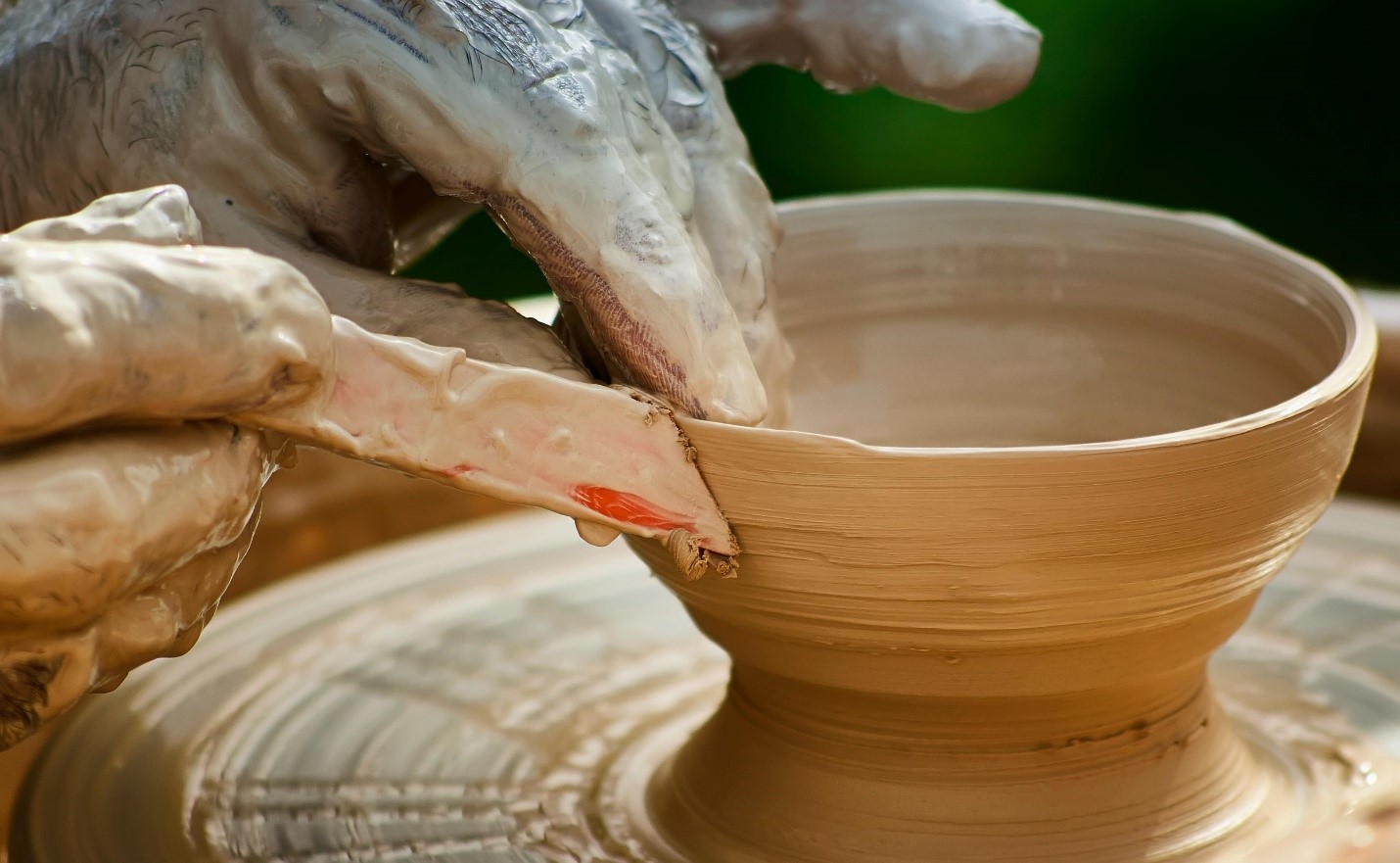
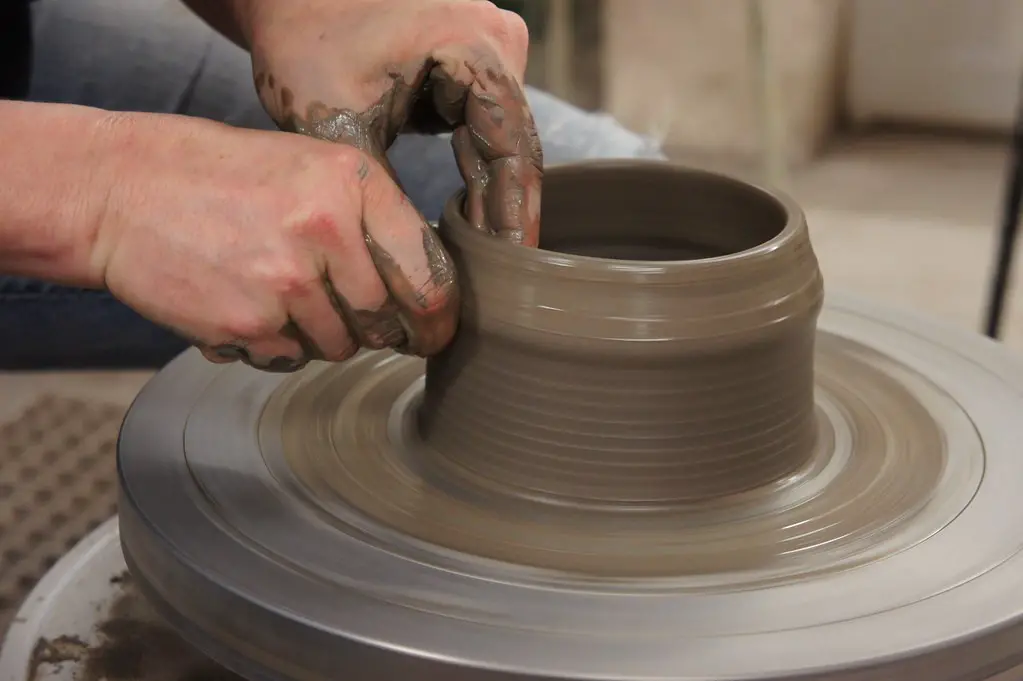
However, all other basic processes like wheel throwing, glazing, or clay kneading are similar for both earthenware and stoneware. The only difference is the firing temperature and the output you get.
Can You Use A Home Pottery Ware Made Of Earthenware Or Stoneware?
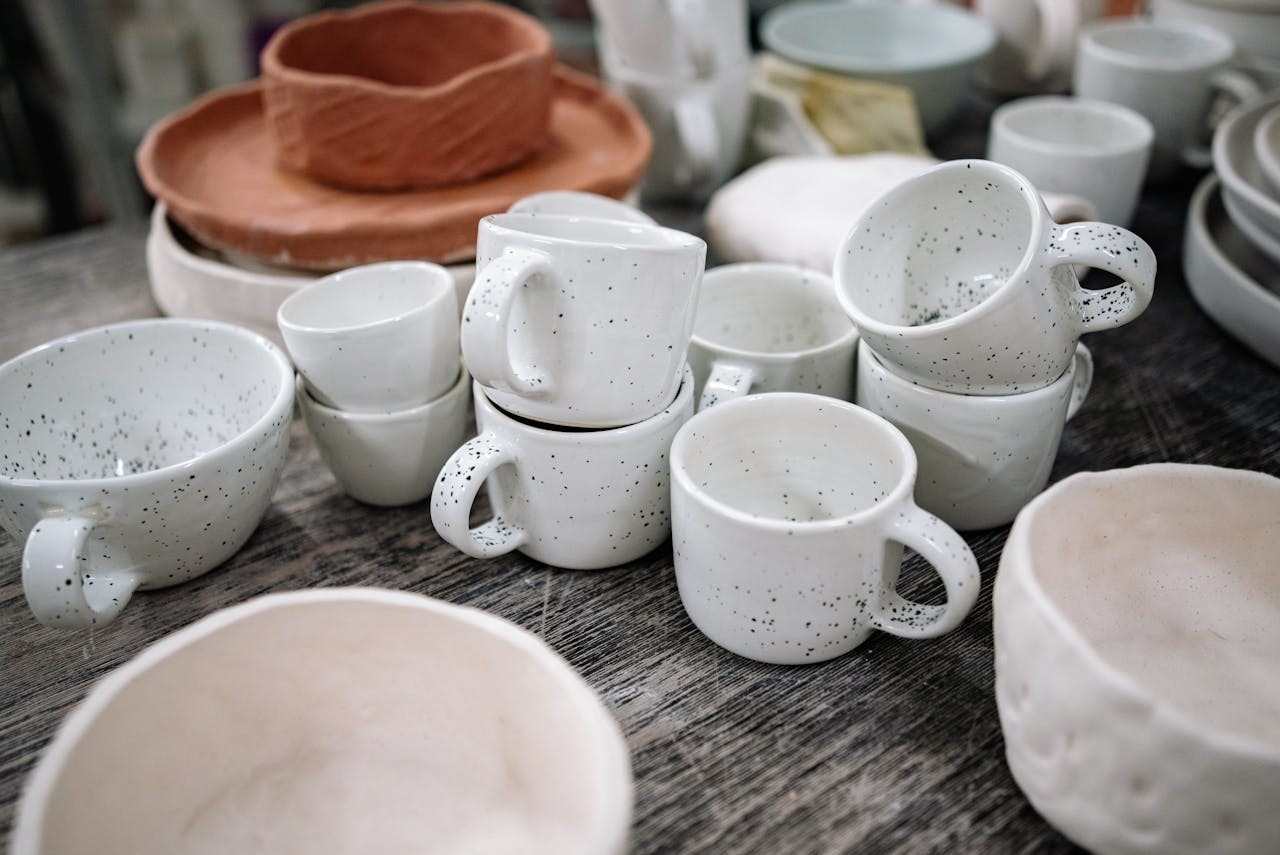
If you have used a kiln or at least a tabletop kiln for the firing purpose, you can surely use the pottery pieces for regular usage, food ware, or for decoration. However, if you have just dried it in a home oven, chances are, it won’t be as strong as a piece that has been fired in a kiln.
While you can still get durable pottery ware by working your earthenware pots in a home oven, the same isn’t possible for stoneware. However, given that earthenware fires at a low temperature, a home oven can provide firing that is close enough to its original firing temperature. So, while pottery ware cannot be used for food or holding liquids, it can surely be used for decorative purposes without having to worry about its longevity.
On the other hand, a stoneware pottery piece has to be fired at a comparatively higher temperature. So, home oven firing might not give you a piece that is even suitable for decorative purposes. Furthermore, it would be difficult for a stoneware piece to hold a form even after being fired in a home oven.
Porosity Of Earthenware VS Stoneware After Home Oven Firing
Firing a clay piece makes it achieve permanency while also making it water-resistant. However, when you glaze-fire a piece, it becomes completely waterproof. The glaze serves as a barrier between water and clay to ensure the durability of the pottery piece is maintained for a long time. However, glaze-firing can only happen in a kiln and not in a home oven.
If you wish to use your earthenware or stoneware clay pottery art to store something that has a liquid consistency, it won’t hold the liquid for long.
What Can You Do To Fire Earthenware And Stoneware Home Oven On a Budget?
While getting a professional kiln for home pottery making can be too pricey, you can get the same result with a tabletop kiln as well. A professional kiln’s price can range anywhere from $5000 to $15,000, depending on the size and features. However, a tabletop kiln can be bought at a budget price. The pricing can vary depending on the brand, which ranges somewhere between $500 and $1000.
With the help of a reliable tabletop kiln, you can fire earthenware and stoneware clay on a budget. The RapidFire Tabletop Ceramic Firing Kiln is a great option you can invest in. It can heat up to 2200oF within a short time frame of 8-10 minutes.


Conclusion
Both earthenware and stoneware clay variants are versatile in their own way. However, they do not work best not impart their best features when fired in a home oven set-up. In order to get the best out of your earthenware or stoneware, it needs to be fired, specifically with glaze, to make it waterproof and add to its durability.