Painting your pottery work is an art that requires you to be patient with stable hands to achieve perfect results. However, lack of a sealant could lead to issues such as chipping or washing off the colors from your pottery piece. So, you must seal off the colors with the best spray sealers available in the market. One such amazing spray sealer you can try is the Duncan Ceramic Clean Gloss Spray Sealer.


Let us check out all about this sealer, along with the features that make it ideal for pottery work.
Features of Duncan Ceramic Spray Sealer
The Duncan Spray Sealer provides a beautiful gloss-like finishing to the ceramic artwork. This spray coating produces a smooth and hard surface post drying. It can help brighten the colors while protecting the finishing of the objects that are decorated with a non-fired colored product.
It is ideal for producing an extremely smooth, lustrous, & durable final finish. In addition, the Duncan Sealer provides the glossiest finish possible for both oil-based and water-based colors. This clear gloss helps produce a clear and protective gloss finish atop the ceramic plaster, bisque pottery ware, & other crafted surfaces.
This spray sealer can be applied over, under, & between the non-fired colors. In order to maintain the brightness of the acrylic basecoat, make sure you spray a coating before antiquing. This spray sealer produces a look & feel of top-notch porcelain spray, which is well-suited to provide final finishing on the dry-brushed items.
It tends to slightly soften the underlying colors while providing a high-gloss protective surface.
Product Specifications
| Brand | Duncan Toys |
| Weight | 12 Ounces |
| Finishing Type | Gloss |
| Toxicity | It might irritate the skin, eyes, & respiratory tract (wear protective gears when using the spray) |
| Flammable Content | Yes |
How to use the Duncan Ceramic Spray Sealer?
There is a right way to use the Duncan Ceramic Spray Sealer. Here are the steps you need to follow:
- Shake the aerosol product before you start using the spray sealer
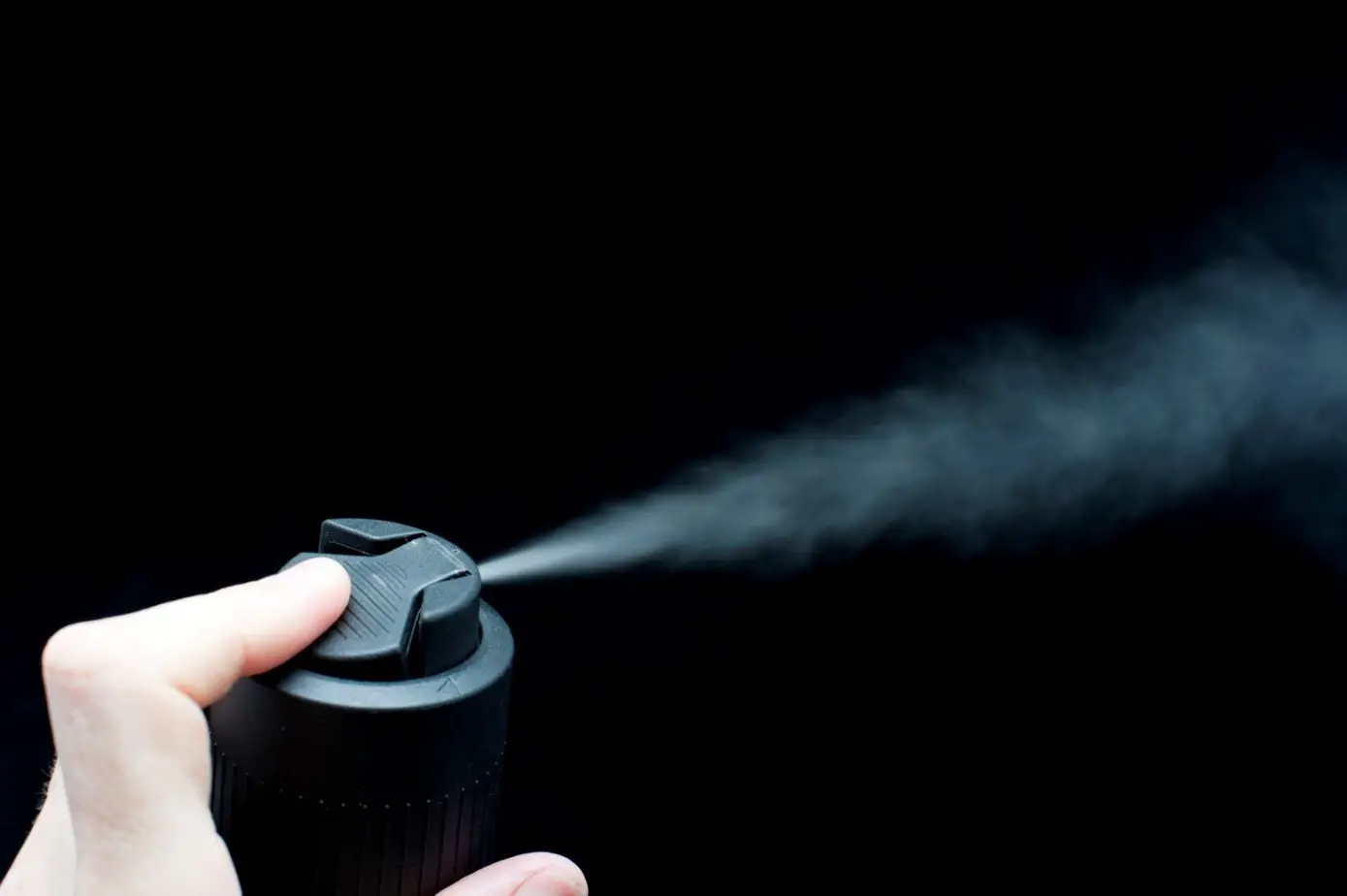
- Start by spraying on the sides of the object & then move the spray onto the object’s surface. Stop spraying once you move beyond the object. However, do not stop spraying directly onto the object as it could lead to blotching issues.
- Maintain a constant spraying motion. An even and slow movement is desirable to provide better coverage while preventing the running and sagging of colors that happen due to unchecked spraying on a single spot heavily.
- The Duncan Spray performs best when sprayed at a distance of approximately 8 inches to 12 inches from the object. However, it can vary depending on the climate in the area.
- Always check the directions mentioned on the can. For example, holding it too far from the ceramic pottery will produce a coating that is way too light. On the other hand, holding the can way too close can cause issues such as runs and sags.
- Always try and attain a thin, wet film on the surface that is being sprayed. Make sure you spray head-on directly at the object.
- Apply multiple coats if necessary to achieve the desired effect. Remember, 2 light-color coats are way better than 1 heavy coat. Make sure you keep the can moving throughout the coloring cycle. Stop only when you are away from the pottery piece.
- Make sure you move in one direction and don’t go about random to prevent overlapping. In order to spray paint the base, make sure you let the top portion dry out and then work on the base.
- When spraying the sculptures that are round in design, make sure you do that in a circular motion as opposed to going side-to-side.
Things to Keep in Mind When Using the Duncan Gloss Spray Sealer
The weather in your work area can affect the spray sealer. For example, cold weather can affect the spray sealer. So, make sure you let it warm up to room temperature and then use the spray. On the other hand, extremely high temperatures can lead to the evaporation of the solvents. So, if you hold the can too far from the object can cause the spray to dry out even before it touches the object. This could lead to the formation of small, white, dried-out particles that affect the glossiness of the surface.
So, you need to adjust the spray sealer accordingly.
Conclusion
So, the next time you plan on coating your ceramic artwork, the Duncan Ceramic Spray Sealer is the go-to option. If you need a glossy and shiny finish, this spray sealer gives you just what you need. For someone in need of a matte finish, the Duncan also comes in a matte variant that dries out, maintaining the pigmentation of the colors.