Info
-
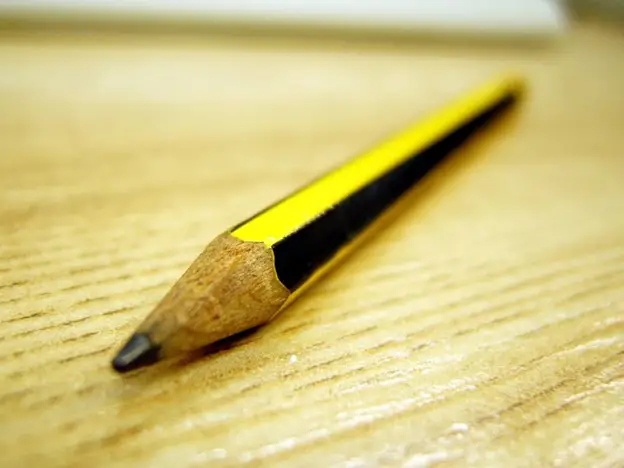
Will Pencil Burn Off in the Kiln?
A pencil is an evergreen tool used by potters to sketch any designs that need to be added to the piece before the firing process. But you wouldn’t want this sketch to become permanent after being fired. It can make the piece look ugly and unprofessional. So, most potters would want to know that the…
-
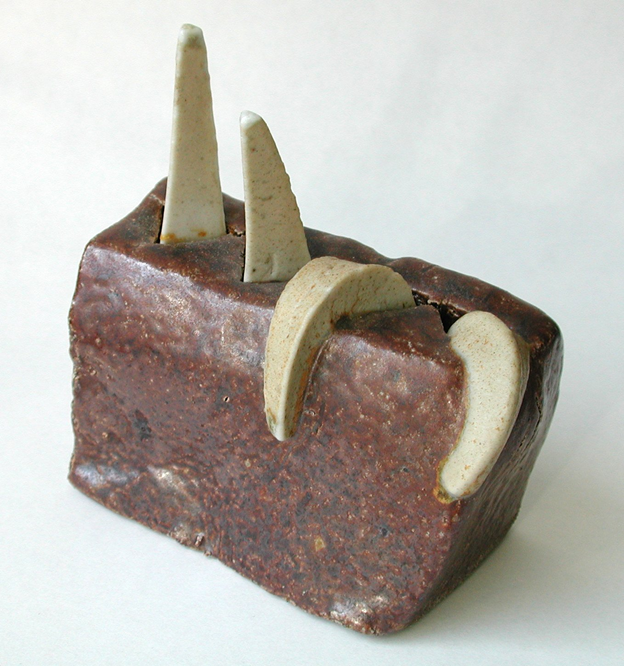
Cone 5 vs. Cone 6
Using a cone while firing pottery creations is relatively unknown, especially for those using the pottery kiln for the first time. Interestingly, the kiln works not on temperatures but at a cone level! You can create more durable work when you know the proper cone levels based on the piece’s time and firing. It is…
-
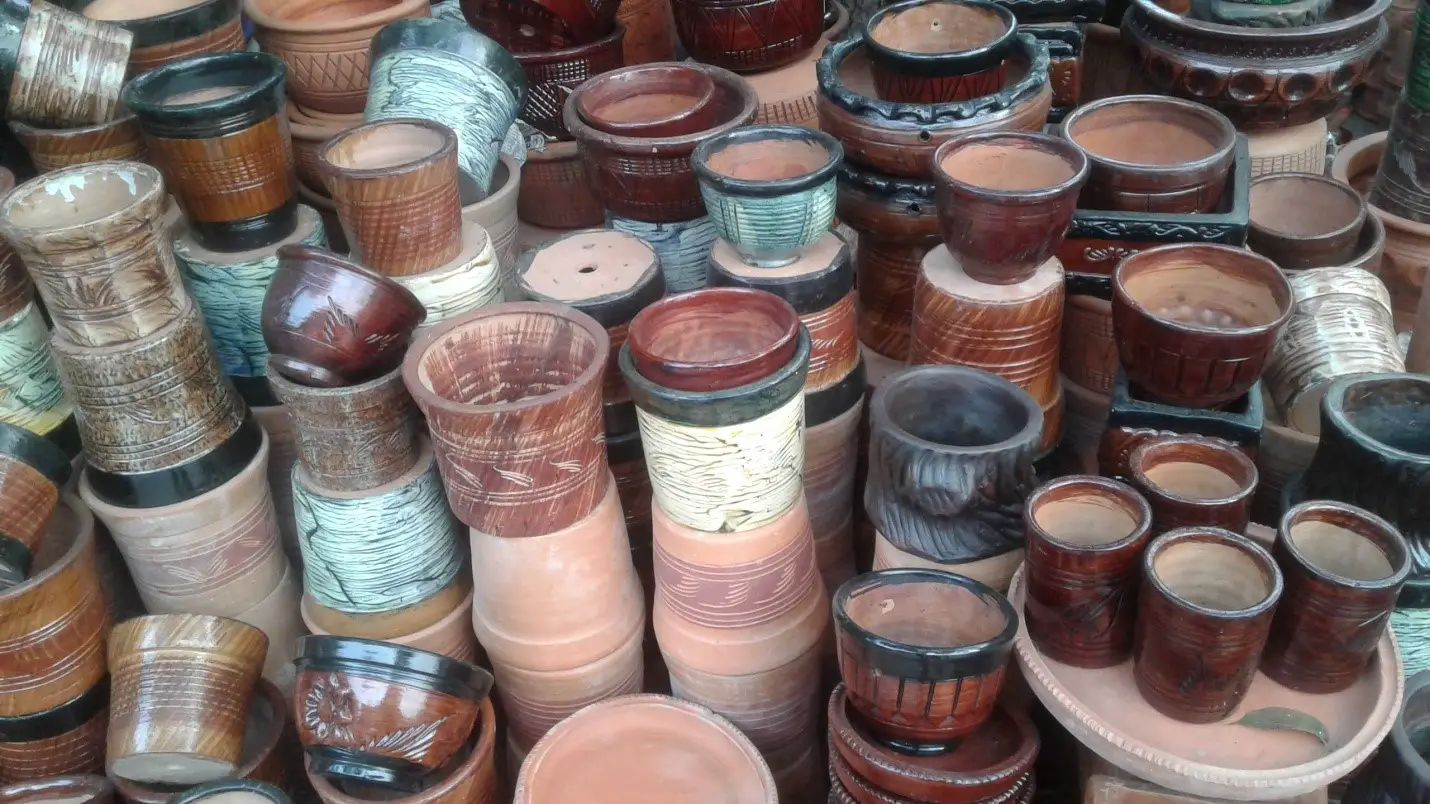
Can I Teach Myself Pottery?
Learning pottery as a hobby or career can be a fun experience. You might try and enroll in a pottery class or ask a friend of yours to teach you the basics. However, if you plan on learning pottery all by yourself, the road might not be easy. With the right dedication and effort, you…
-
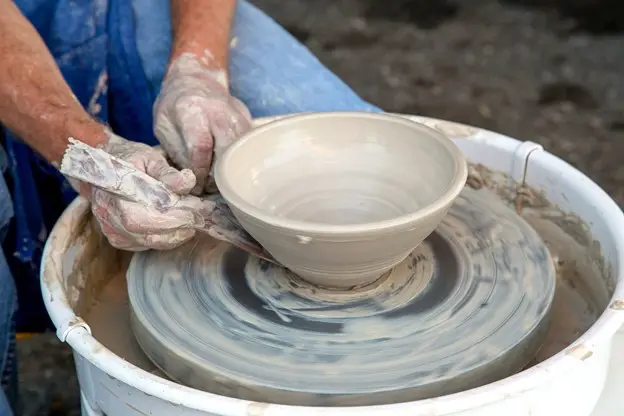
How Fast Should A Pottery Wheel Spin?
A potter’s wheel helps shape & round the pottery wares with the help of a technique termed throwing. The wheel’s speed helps determine how well the clay would center and form a shape. Understanding the cues for obtaining the right wheel speed will help make the process of pottery making easier for artists. So,…
-
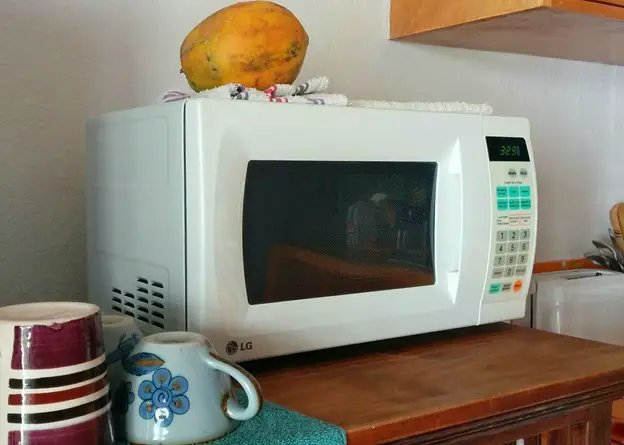
Can Ceramics be Microwaved?
Most plates and bowls are deemed safe for use in the microwave. However, using the incorrect dish can ruin the dinner as well as the dinnerware. Microwaves are very convenient to heat up your food, but when using ceramics, you might have to practice some caution. Although ceramics such as porcelain and stoneware are considered…
-
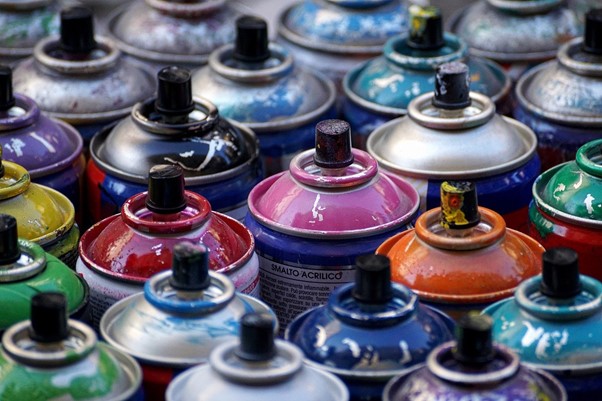
Can I Spray Paint Pottery?
Creating your ceramic piece and painting it the way you want is always fun. Especially the world of pottery flaunts many ways to deck up your creation in front of you. There are plenty of ways to give your pottery work a bolstering look, from glazing to pit firing. However, it may not always be…
-
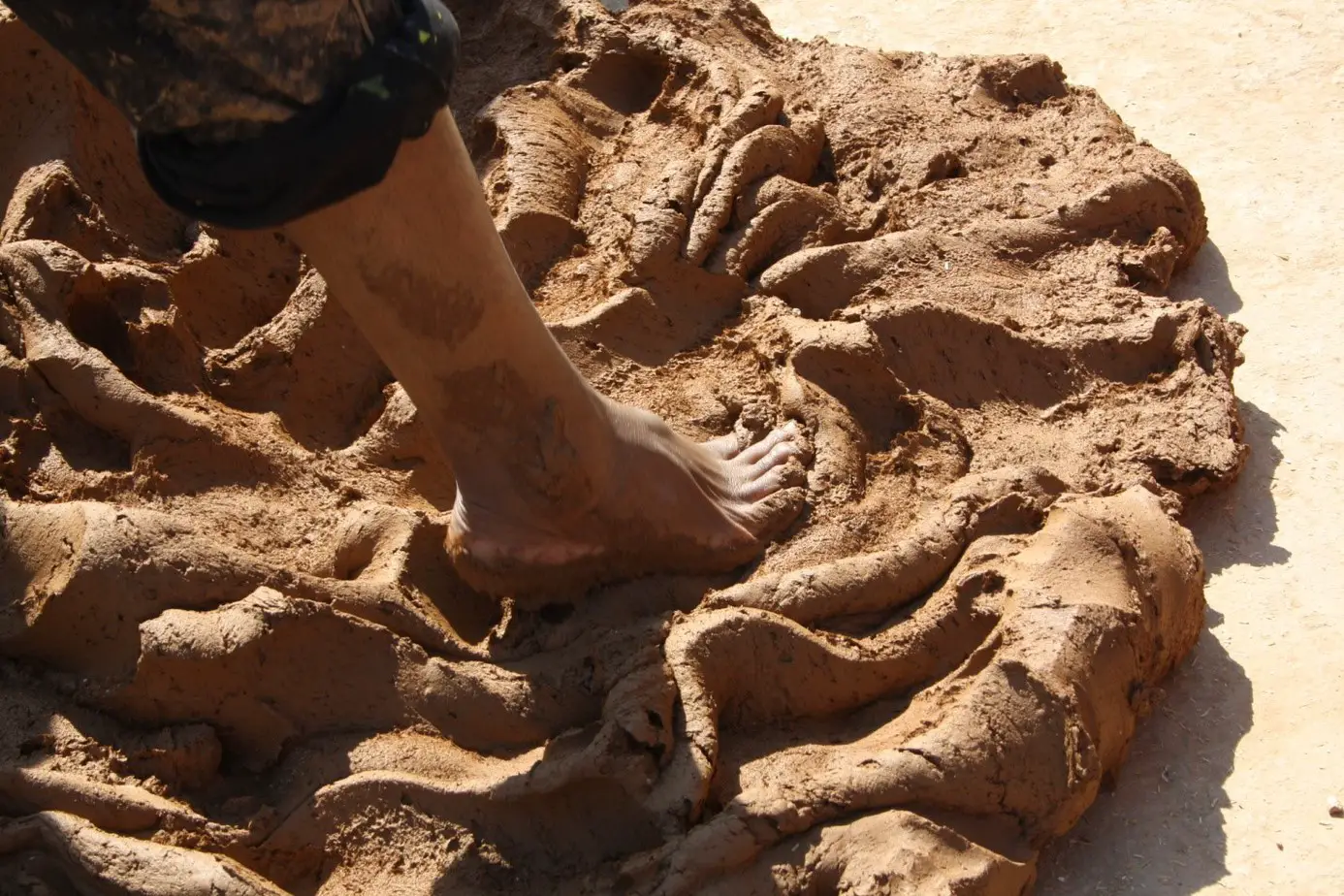
The Seven Stages of Pottery Clay
As you discover the beauty of pottery, it is important to understand the basics. The first step to ace your pottery game is to understand everything about the base element, which is “Clay.” As versatile as this element is, it achieves 7 different stages during the crafting process. Understanding this is very important for beginners…
-
Don’t Make These Mistakes When Slipping Your Pottery
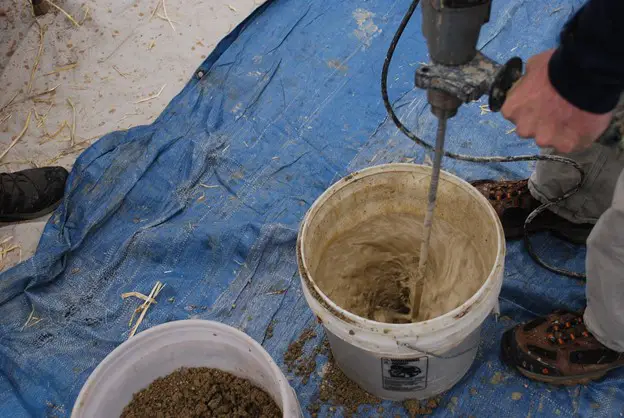
The subtlety and challenges that come with slips are always challenging for an artist. While a slip might seem nothing big of a sort for beginners, but with the right technique in place, the versatility of this concoction is endless. Potters that fire with soda, salt, or wooden kilns tend to use the slipping technique…
-
Is Air-Dry Clay Flammable?
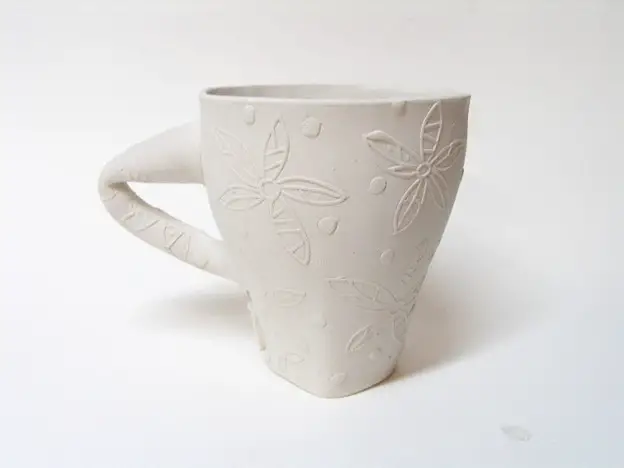
By now, you must have surely understood how the air-dry clay works. However, there is still so much more to learn about this unique clay variant. One question that always ails most air-dry clay users is whether this clay is flammable. And, the answer to this question isn’t straight. There is no simple yes or…
-
How Long Does It Take For Air Dry Clay to Dry?
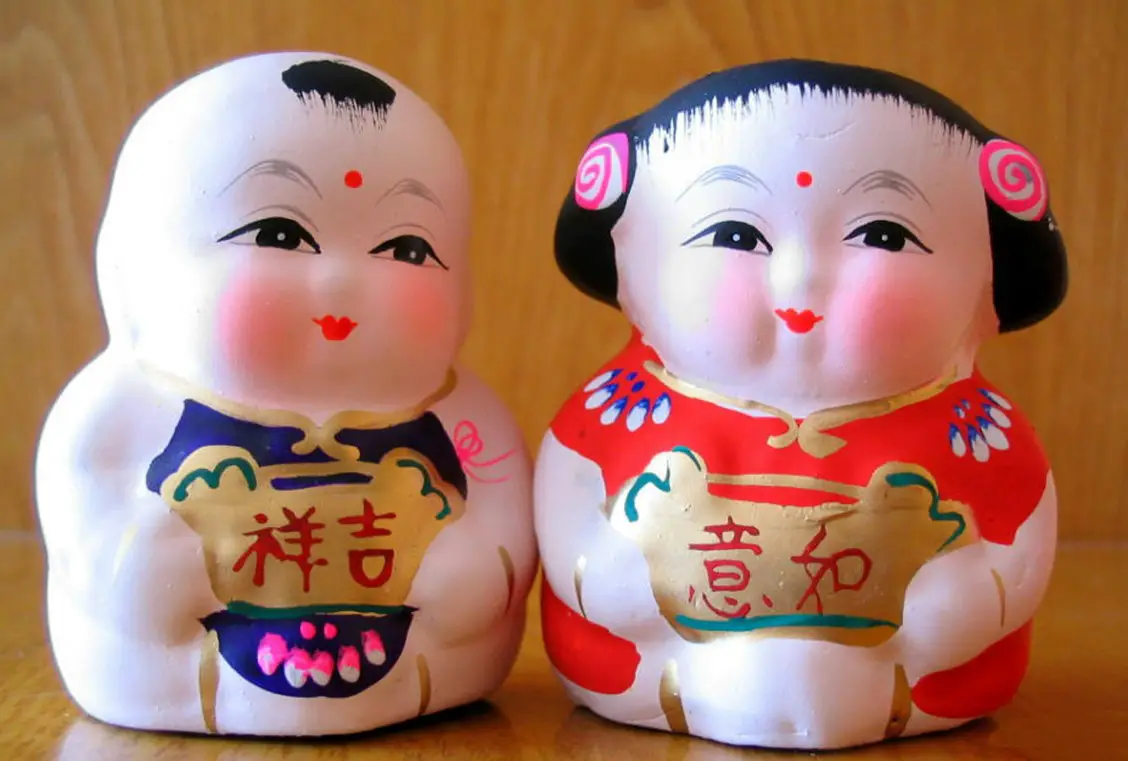
The drying time of air-dry clay varies depending on different factors. For example, unlike Polymer clay, which needs to be baked in the oven to dry, the drying time for air dry clay depends on its thickness. Similarly, it can dry within 24-48 or even 72 hours before it is exposed to air before complete…
-
The 10 Things I Wish I Knew Before Starting Pottery
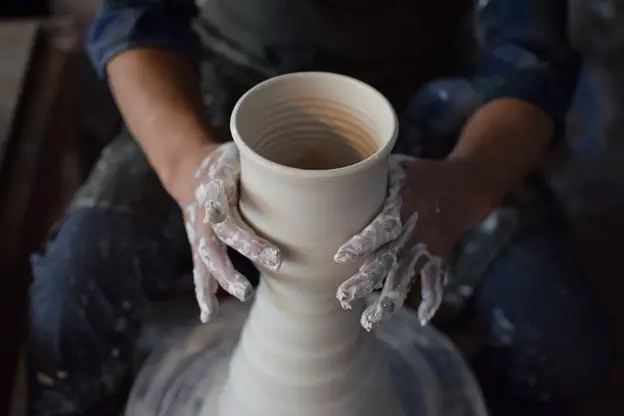
If you have ever believed the taglines “Learn pottery in a week” or “3-Days to Success as a Pottery Artist,” my friend, you have been fooled. Pottery is an art and only patience and a systematic approach is the key to success, and no hocus-pocus can help you learn it in a day or two.…