Info
-
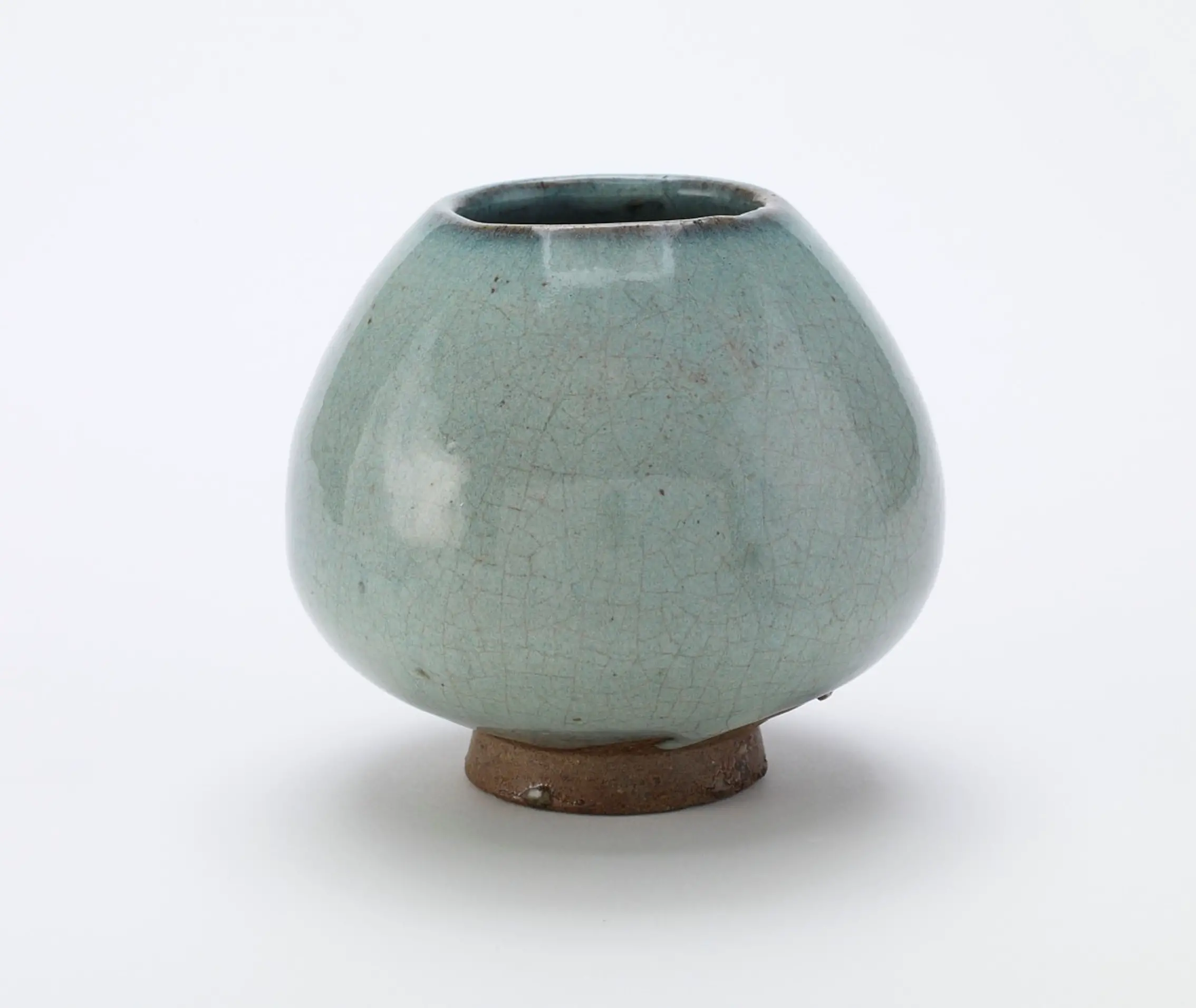
What Is Gray Clay Pottery?
Ceramics have become the aesthetic element of most modern households today. Not just homes, these pieces of art have also established their place in major infrastructures such as famous business ventures, restaurants, museums, and many more. The aesthetic element of these figures attracts the visiting people and leaves them with an appreciation for your high…
-
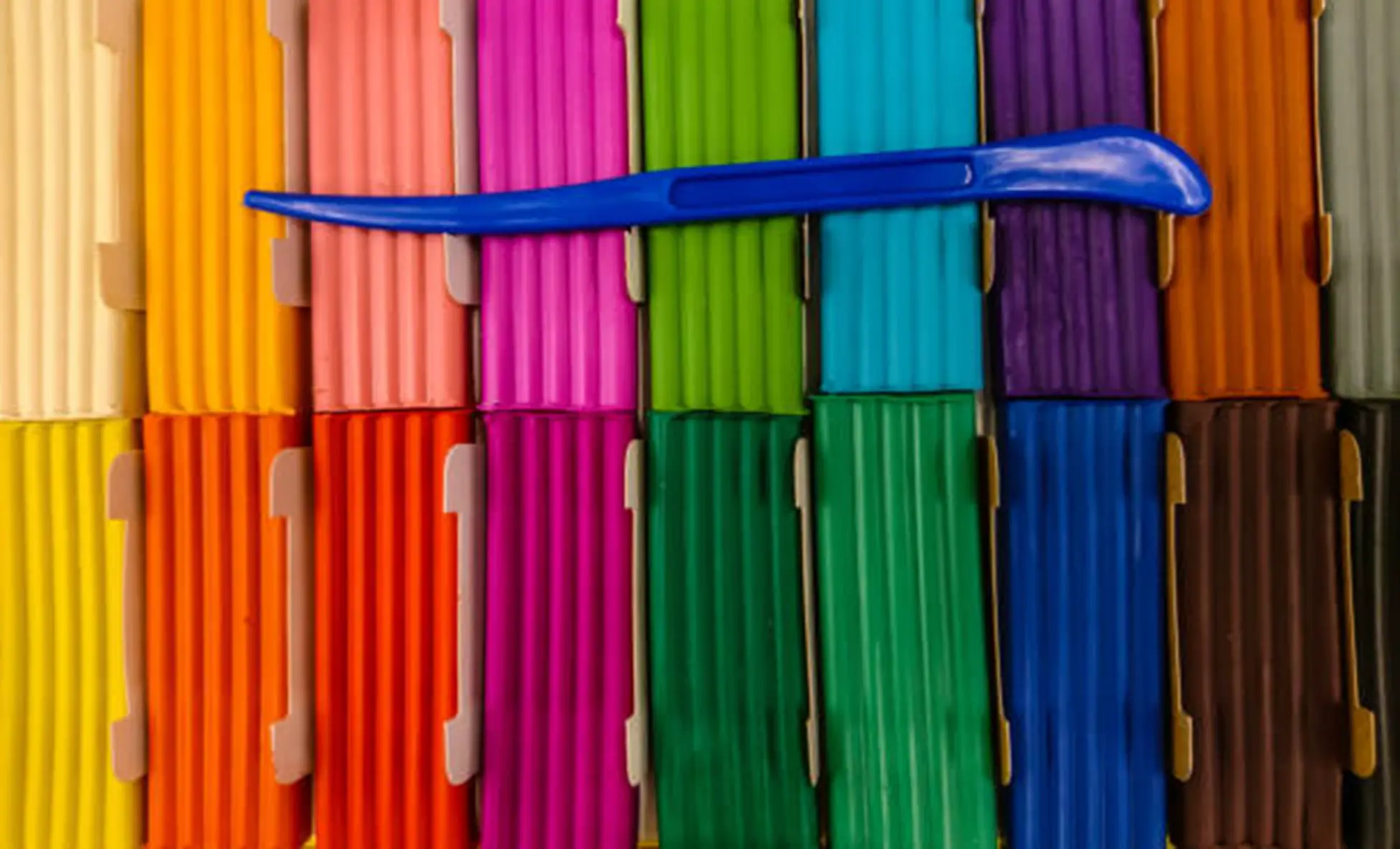
How Long To Bake Polymer Clay?
The most recent item that is now used in pottery is Polymer. Polymer is generally a modeling clay used for a variety of purposes. This type of clay is hardenable and is a form of Polymer Polyvinyl Chloride (PVC). Factually, polymer clay does not consist of clay minerals; however, it gets to a gel-like…
-
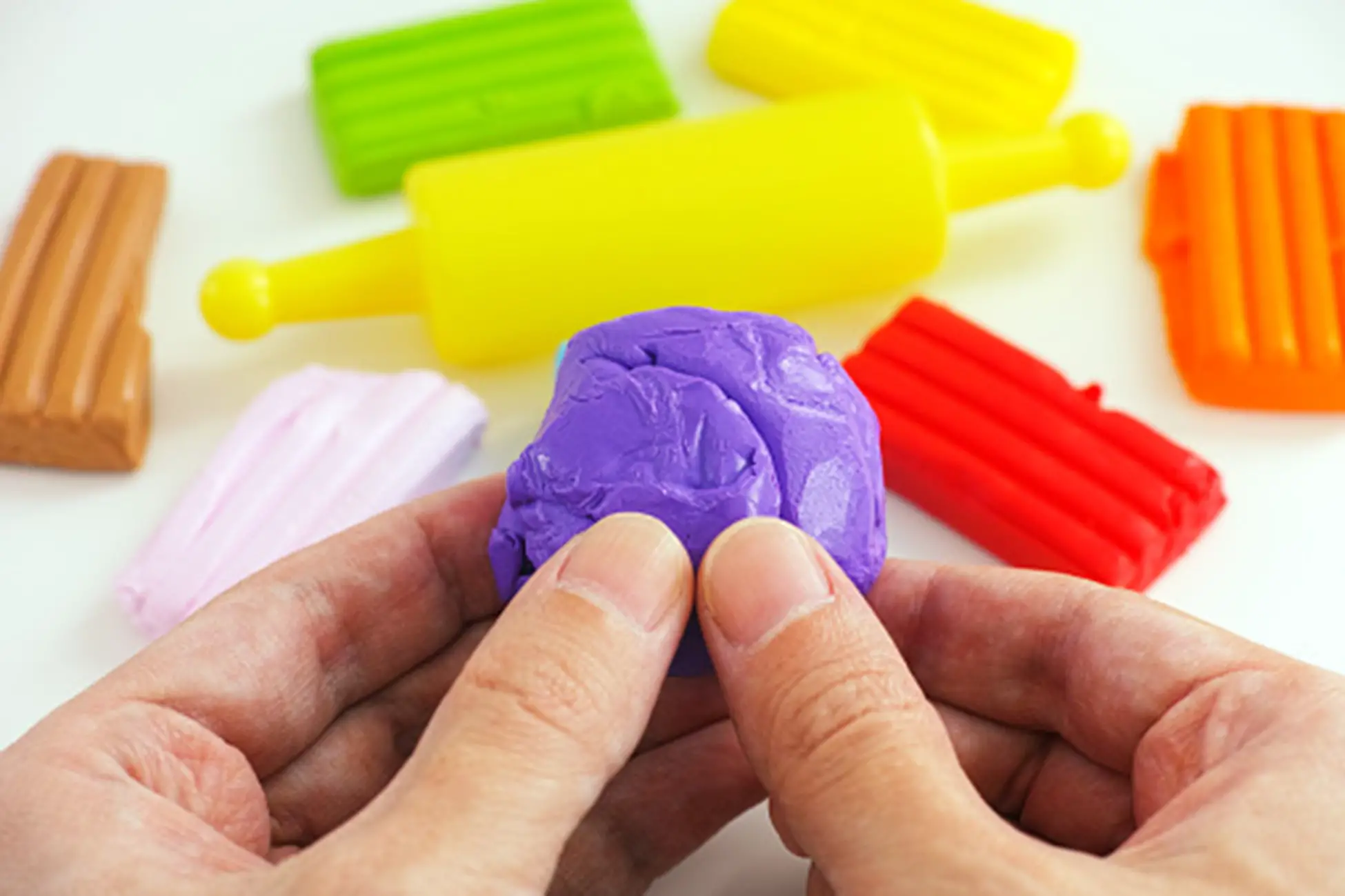
How To Know When Polymer Clay Is Done Baking?
One of the most common clay potters used to sculpt is polymer clay. However, if you are new to baking polymer clay, you might need clarification and want to understand when your clay is done baking. This article will help you know when polymer clay has fully baked. Signs To Check Whether Polymer Clay Has…
-
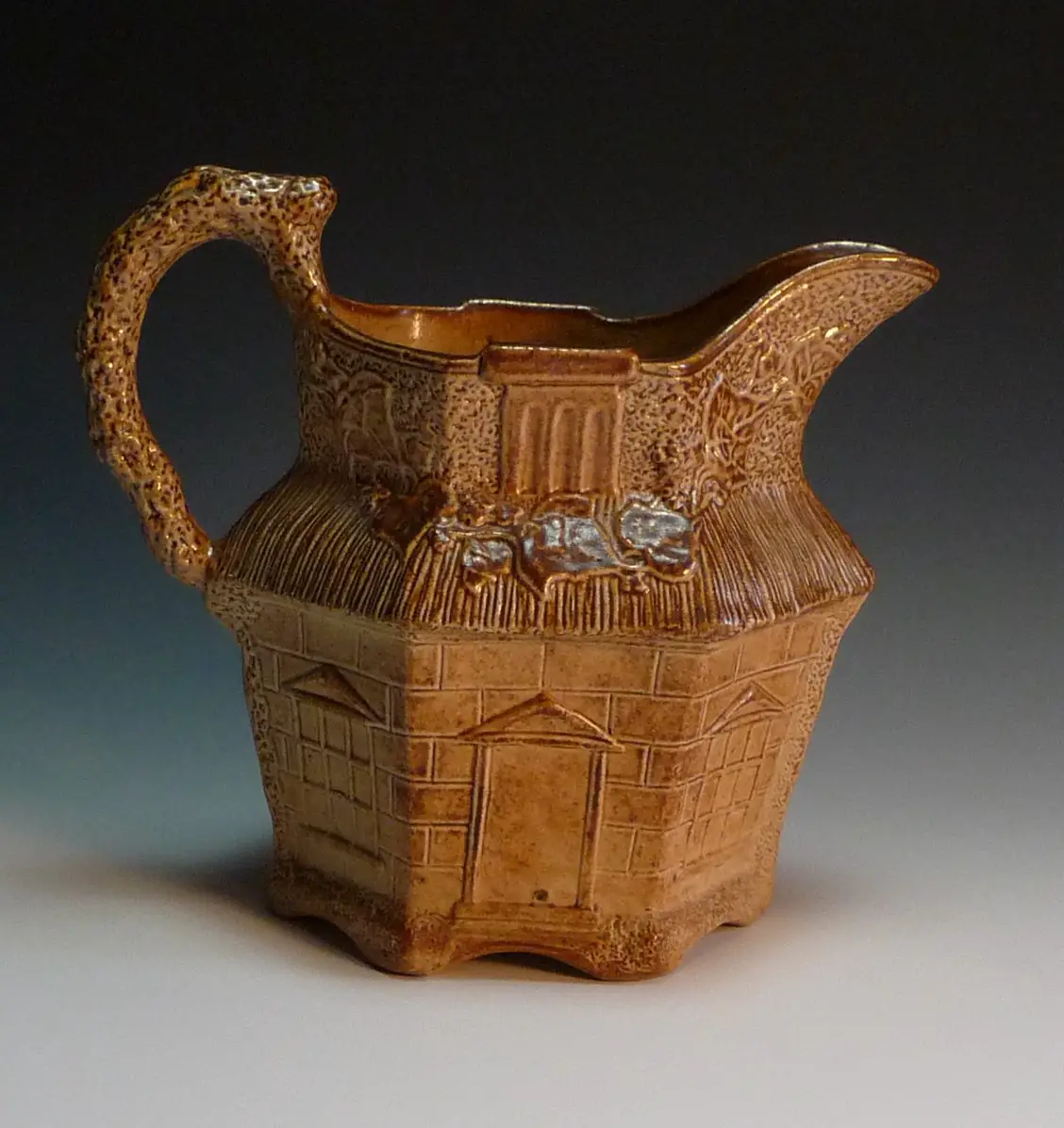
What Is Antique Salt Glazed Pottery?
Antique salt-glazed pottery is a type of stoneware. It has a glazed layer of translucent, orange peel texture, formed by putting salt in the kiln during the firing process. As soon as the salt is thrown into the kiln, sodium reacts with silica to form the glaze coating of sodium silicate. These antique salt-glazed pottery…
-
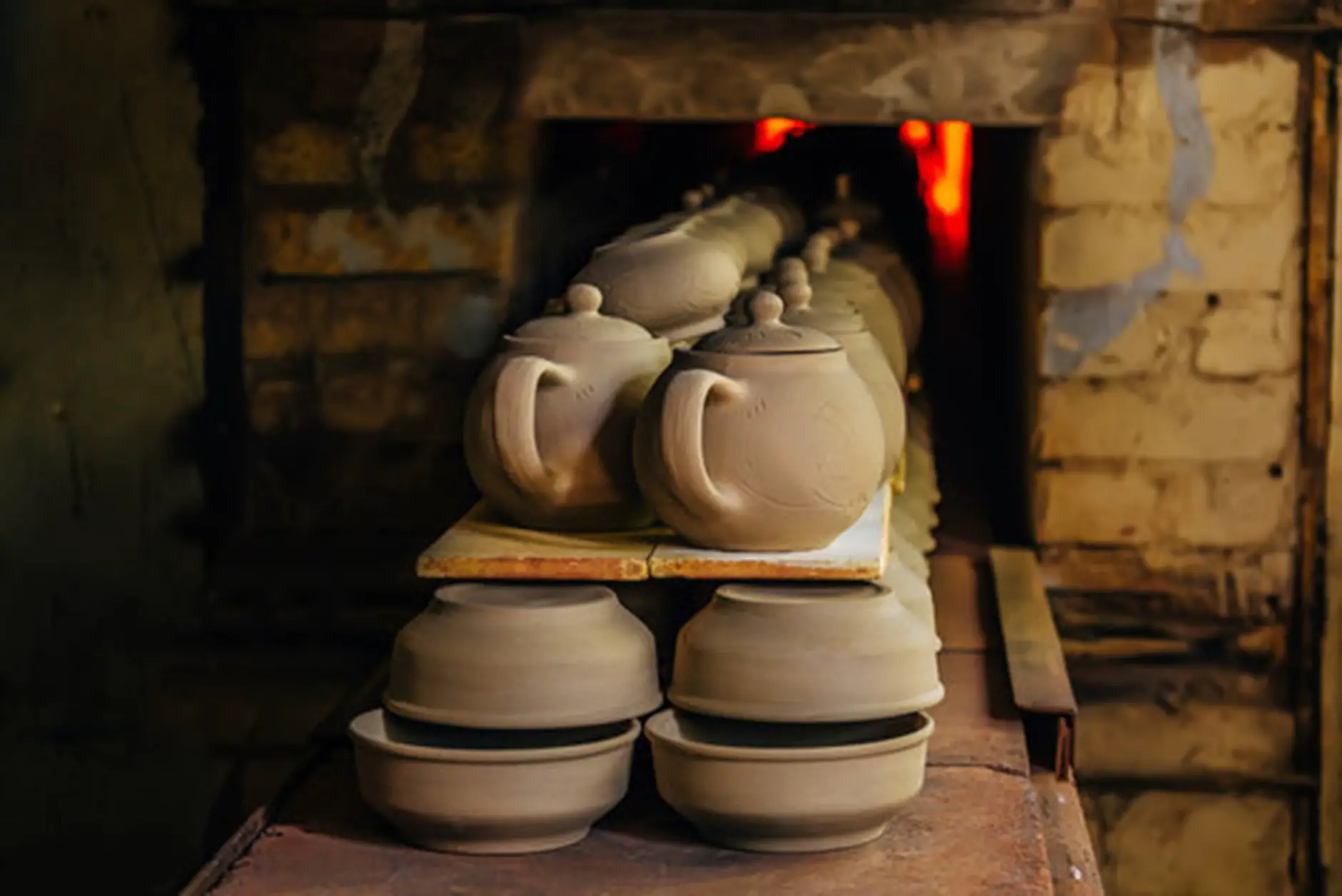
What Happens If You Don’t Fire Clay?
Since many believe they need a pottery wheel, a kiln, or other tools to create pots, those who want to start learning pottery may get discouraged. However, in reality, you may do your first pottery projects with just a lump of clay and your ideas. Since kilns are costly, need a lot of room,…
-
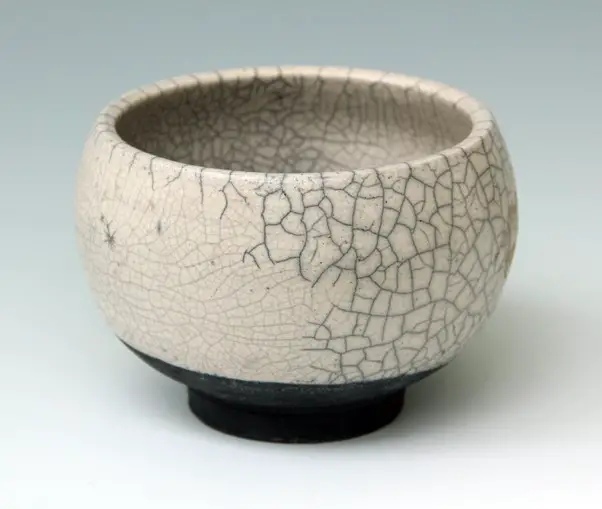
How To Fix Crazing In My Pottery?
Pottery is a time-intensive handcraft. The number of factors at play is extensive, thereby increasing the possibility of mistakes snowballing which often result in unexpected outcomes. While beginners can avoid some materials and techniques in pottery due to the increased level of difficulty, not all problems can be avoided. Crazing, for instance, is one such…
-
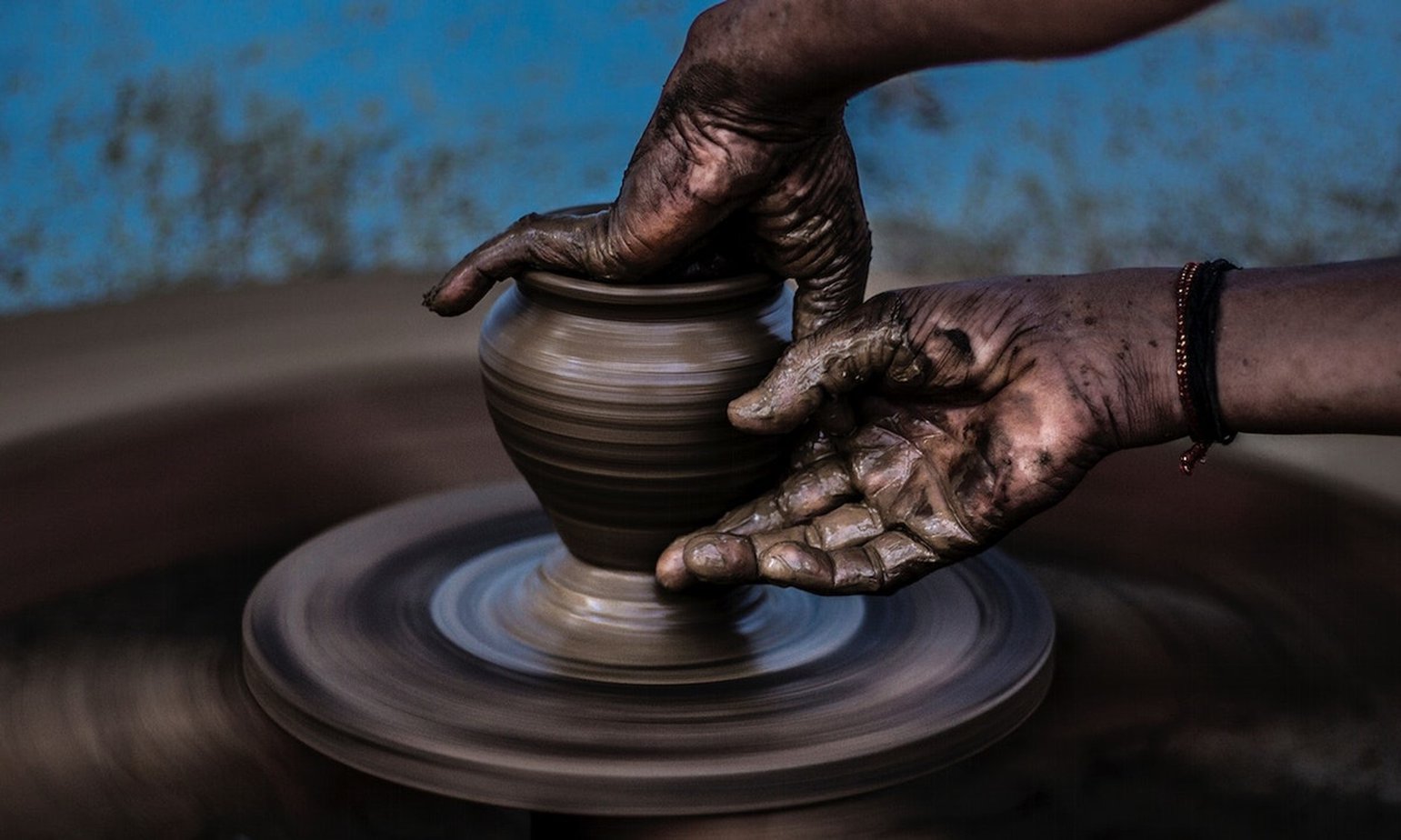
Why Is My Pottery Making Noise?
Making pottery is a challenging task. You can choose to shape different clays using varied techniques like hand molding, throwing on the wheel, etc. However, the number of factors at play are few and constant irrespective of the method – the clay, glaze, and the kiln. Although the number of factors is few, there…
-
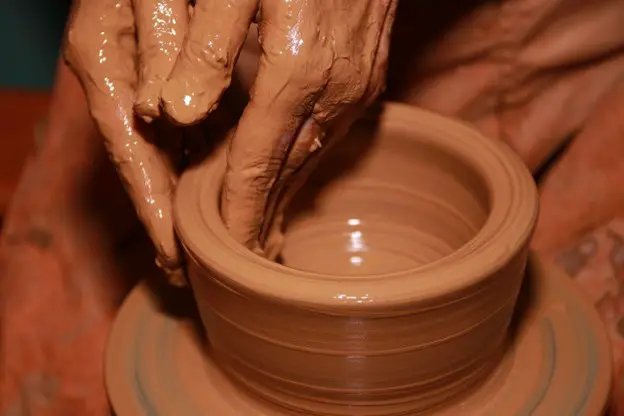
Can I Use Low-Fire Clay In A Home Oven?
Ever wondered if you could replace your kiln and use a home oven instead for the firing process? This is a question asked by several beginner pottery artists. From years of practice, it is evident that pottery clay cannot be fired unless you have access to a proper kiln. However, there is a way you…
-
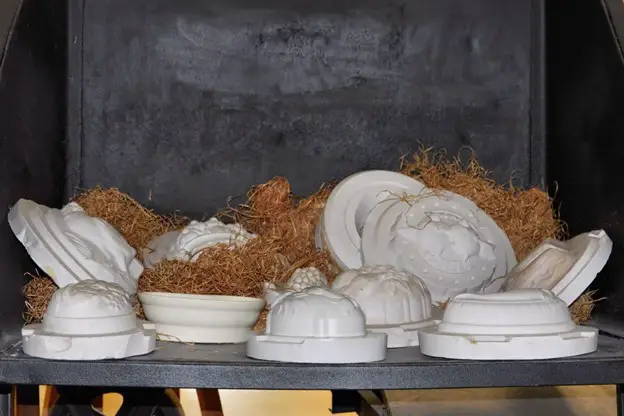
Pottery Plaster vs. Plaster of Paris
Plasters are a versatile product that is among the fan favorites of potters. From use in casting to mold-making and even crafting damp boxes, they can be used for a range of techniques depicting creativity. However, the types of plasters can differ, and each has its application. For beginner artists, it could be confusing to…
-
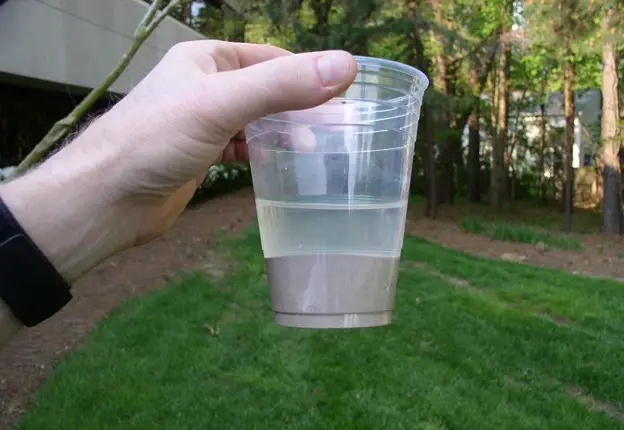
How to Dispose Of Clay Water?
Regardless of how careful one is, even the best potters can end up with extra clay that cannot be used for the project. While the doughy clay can be reused, the watered-down variants might be difficult to reuse. So, should you throw away this clay? Is draining the right way to dispose of clay water?…
-
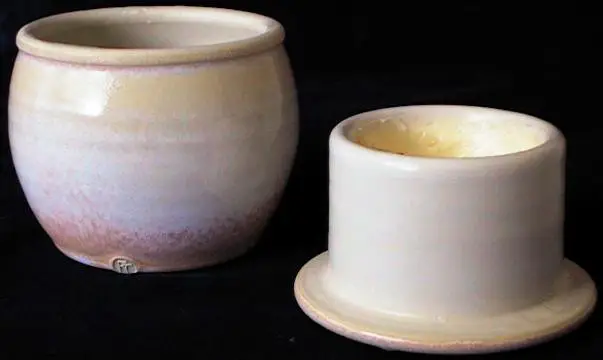
Will Underglaze Stick to the Kiln Shelf?
Potters who have recently achieved success in the throwing process would want to move on to the next step, which is glazing and firing. You would be very enthusiastic and excited to get the job done with perfection. However, the excitement might make you miss out on a precautionary step or two. You might have…