Pottery is an ancient art form that is being taken up by artists and creative minds professionally and even as an ingenious hobby. A big and undeniable part of this process is selecting the right Clay that is easy to mold and fire for permanency. One such easy-to-use pottery clay is the Bastex Low-Fire Pottery Clay.
Bastex Low-Fire Pottery Clay: Why is it so good?
When picking the best pottery clay for your artwork, the key is to pick an option that is malleable and smooth while ensuring easy workability. Moreover, it should also have a fairly moderate water/moderate absorption rate. This helps the clay work hold its design and shape properly while keeping it strong & durable during the firing process. So, you need to put in less muscle work with minimal frustration. Bastex is durable enough and retains the shape without deforming under the weight.


This low-fire pottery clay has all these special qualities, which make it a great choice for experts as well as beginners.
Texture
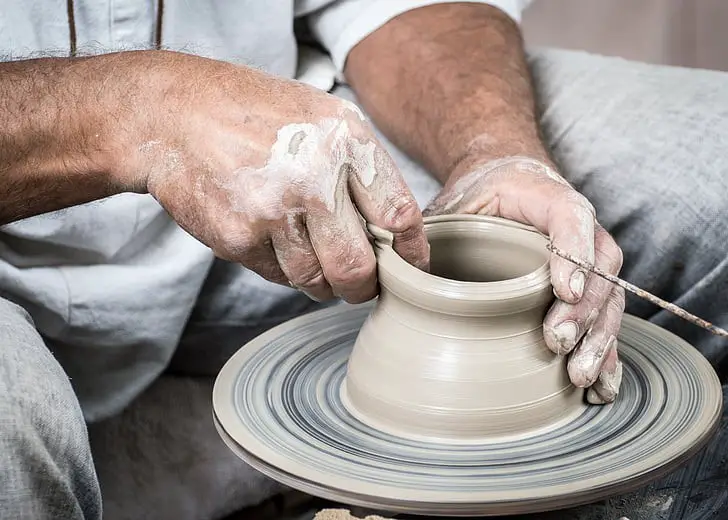
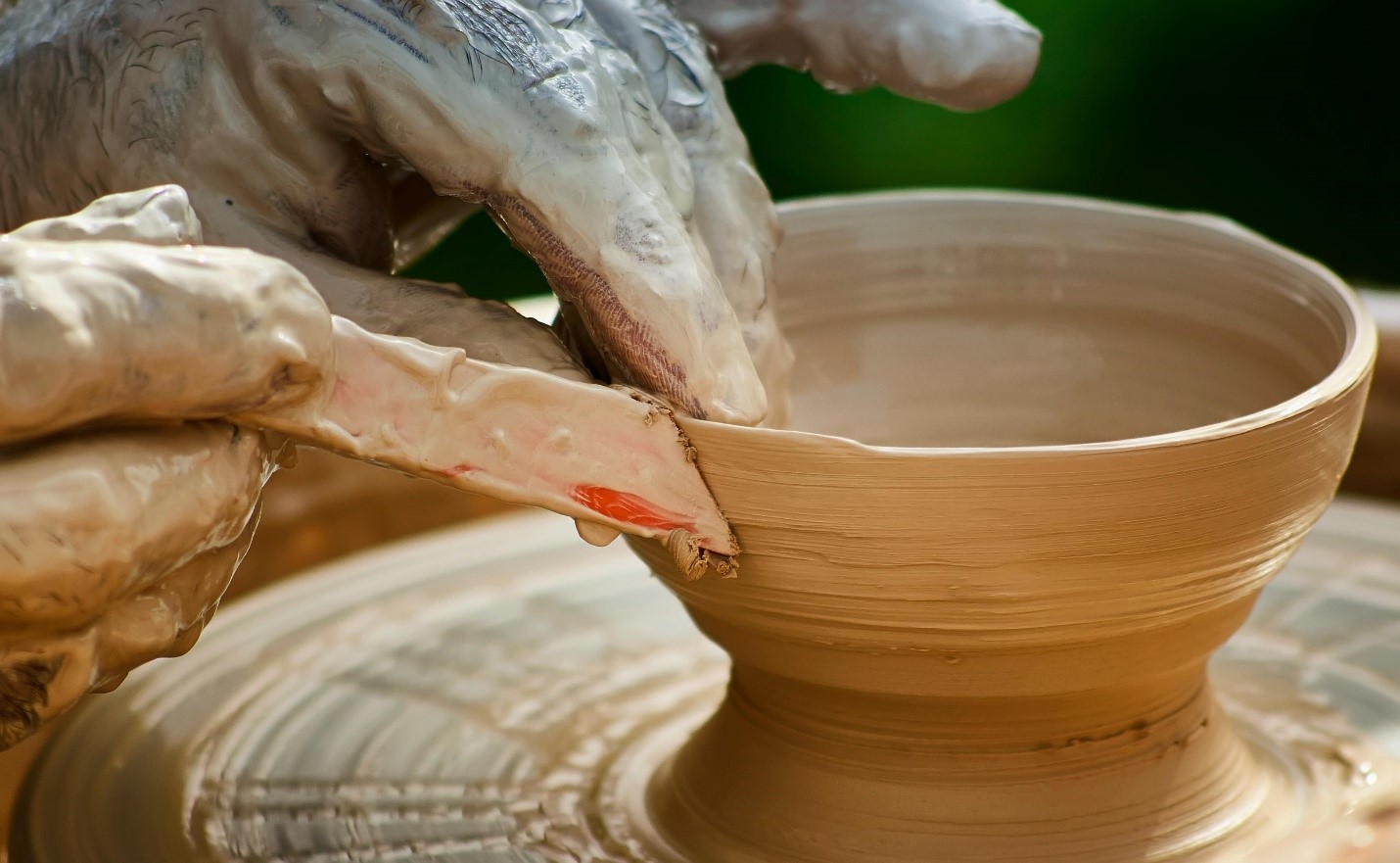
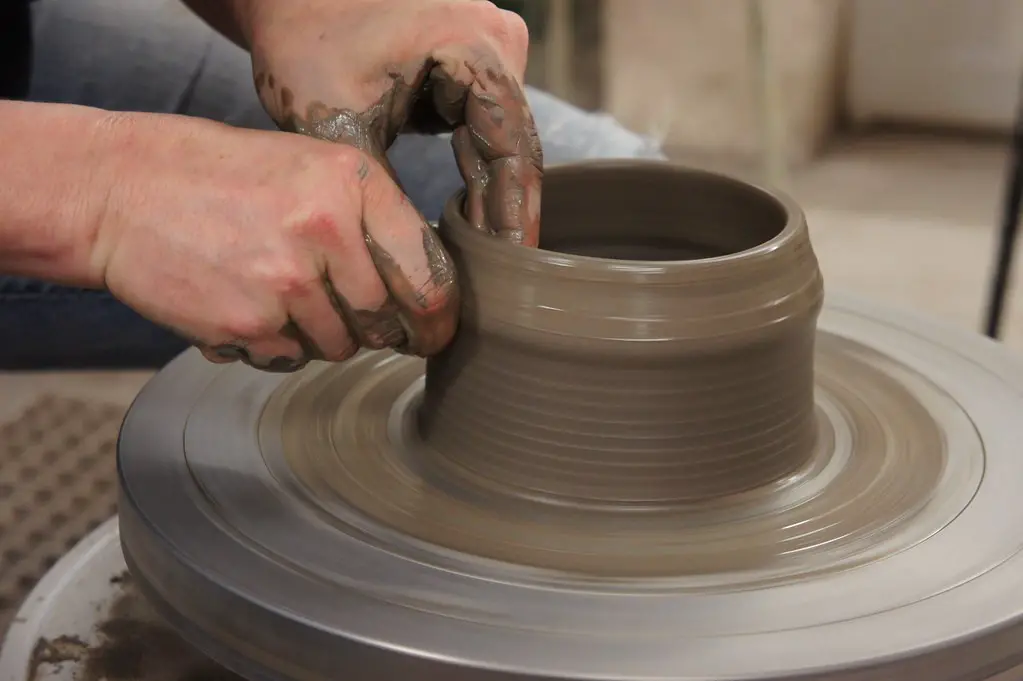
Bastex Clay isn’t too soft or too coarse for the molding process, which makes it ideal for the wheel throwing process. The balanced texture makes it ideal for proper hand molding. Clay with too gritty texture can be harsh on the hands. On the other hand, too smooth a texture can basically make the clay fall on itself and deter it from retaining the shape.
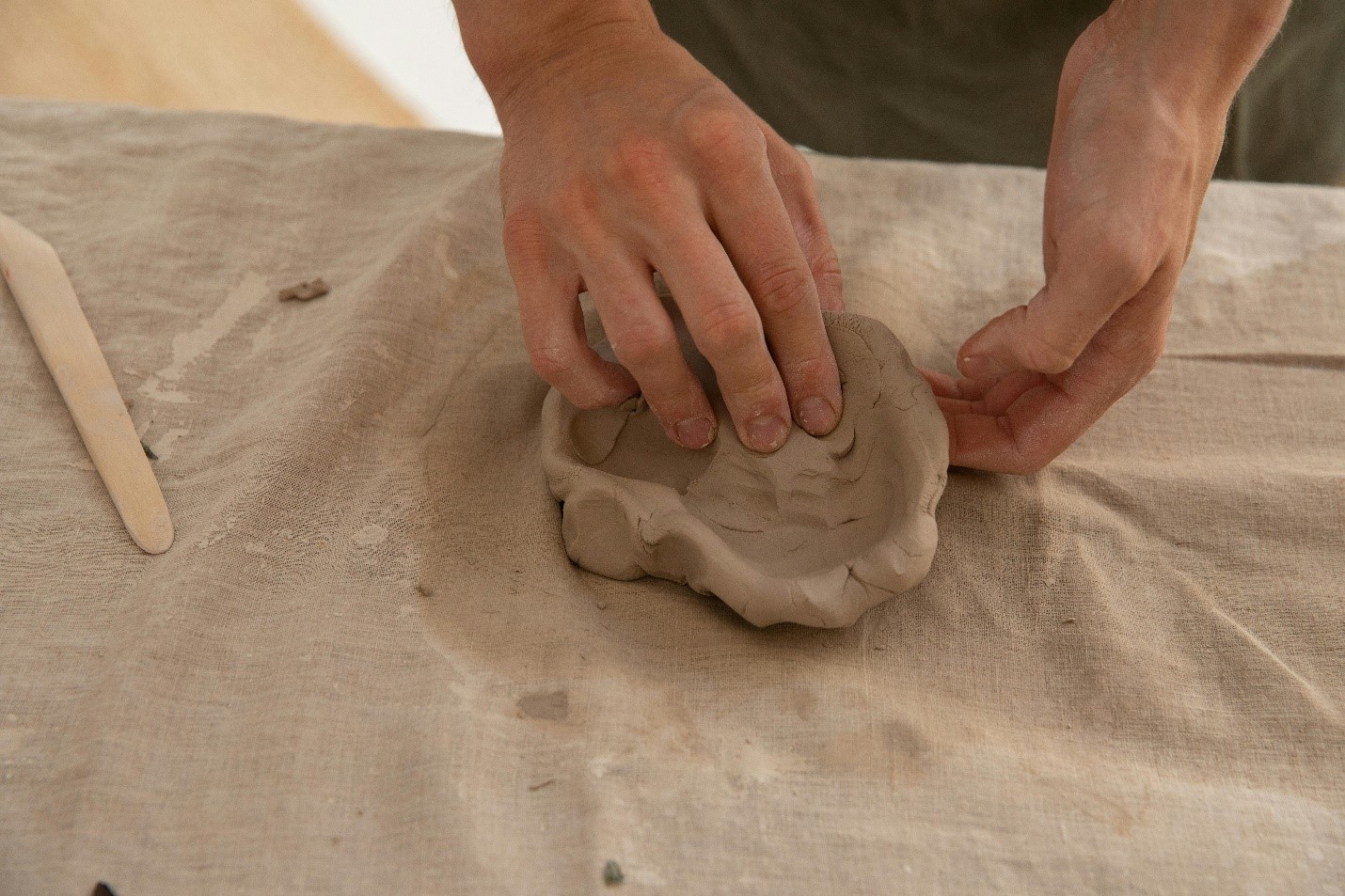
The Clay doesn’t require too much water in order to knead through. You can coil, model, pinch, sculpt, & throw the Clay as easily as possible. Given that the Clay is de-aired already, you don’t have to spend a lot of time wedging it for pottery making.
Firing Temperature
Bastex Clay can be fired with the help of Orton Cone 06 at 1200oC or 2200oF. This naturally red Clay of the Terra Cotta type flaunts a rich hue post the firing process. In order to fire the Clay the right way, you first need to bisque-fire the mold to the Cone 04 temperature followed by glazing and firing to the Cone 06 temperature.
Post firing, the Clay might show about 2.6 (+/-2) percent shrinkage while the moisture absorption rate stands at 8.74 (+/-1) percent.
Toxicity
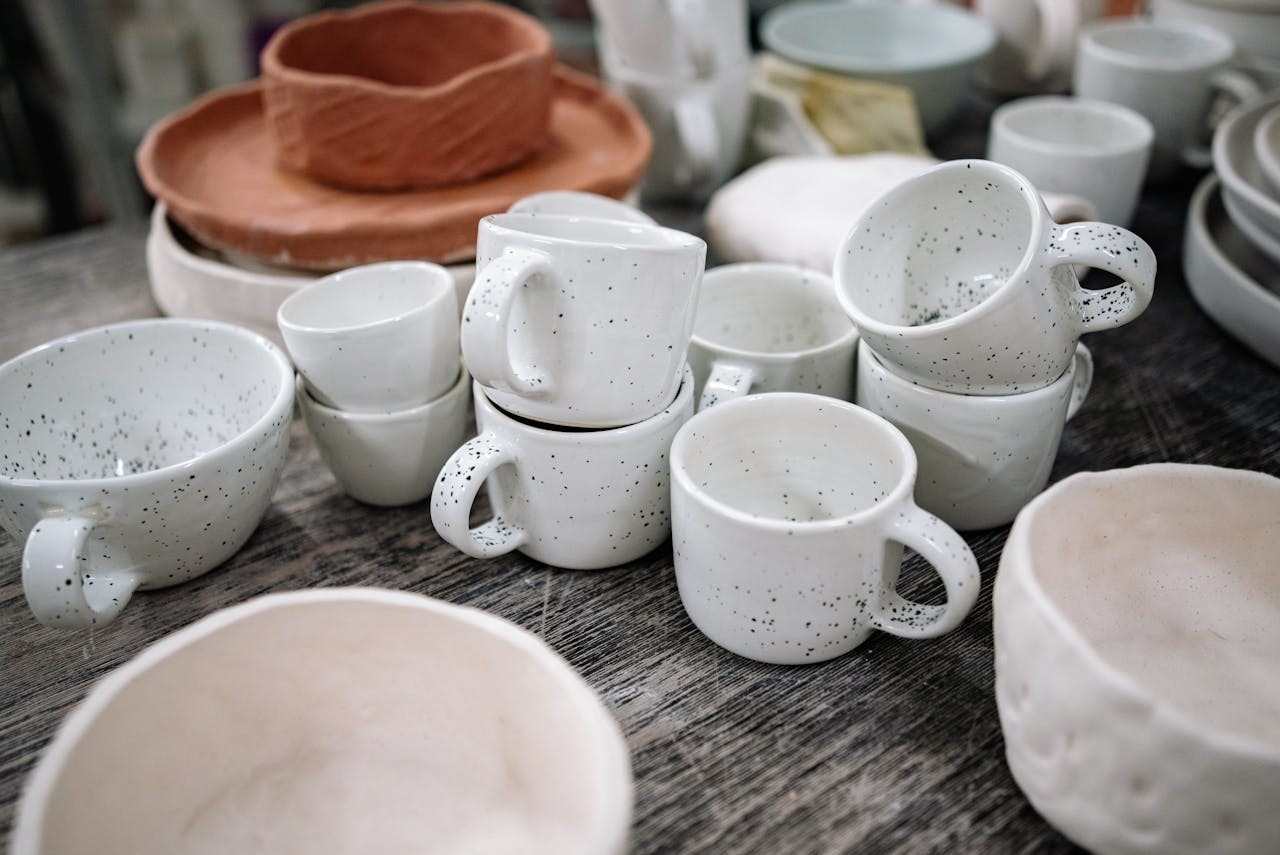
This particular Clay is made from organic materials, which makes it safe for use minus the toxicity. Manufactured in the United States, the Bastex is ideal for crafting mugs, vases, pottery ware, and so much more.
Other Features
Available in a 5-pound block, this Clay can be used for handcrafting, wheel throwing, bisque firing, glaze firing, etc. However, keep in mind that Bastex might not be ideal for air-drying as it doesn’t ensure permanency. Apart from this, you also need to remember that Clay is a wet substance that could be a breeding growth for mold or fungus development. This is why proper storage is essential for any clay variant.
A bit of mold growth can actually be good for the Clay as it provides desirable plasticity to the kneading and molding process. However, an abundance of mold could release allergens and bad smells that should be avoided at all costs. On the other hand, with the best air-tight containers, you can keep your Clay fresh for a long time.
Click here to read the reviews on Amazon.
Bastex Pottery Clay Specifications
| Dimensions-Bastex Clay | 5 X 5 X 5 Inches |
| Product Weight | 5.24 Pounds |
| Product Color | Terra Cotta Red |
| Toxicity | Non-Toxic |
| Organic Ingredients | Yes |
Bastex Clay tends to be porous post-firing. So, you must glaze the pottery work in order to seal the same & prevent leaks. Also, given that the clay is fired at a particularly low temperature, it isn’t possible to vitrify it. So, if you are aiming for a glassy look, it isn’t achievable with this Clay.
Conclusion
The Bastex Terracotta Clay is the perfect de-aired clay with proper moisture content that ensures easy kneading, firing, and throwing. However, you might have to get an air-tight container to store it as the original packaging might not be as good for long-term storage purposes. Best of all, the clay is available at budget-friendly pricing that could be ideal for beginner crafters that do not want to spend a lot during the experimentation phase of pottery.