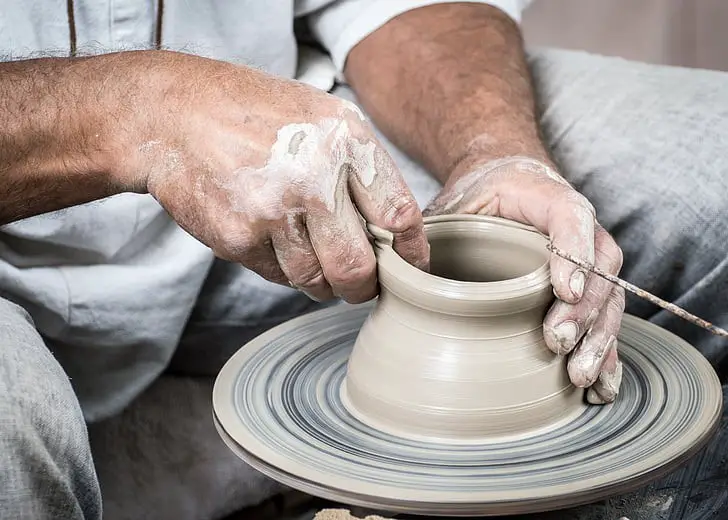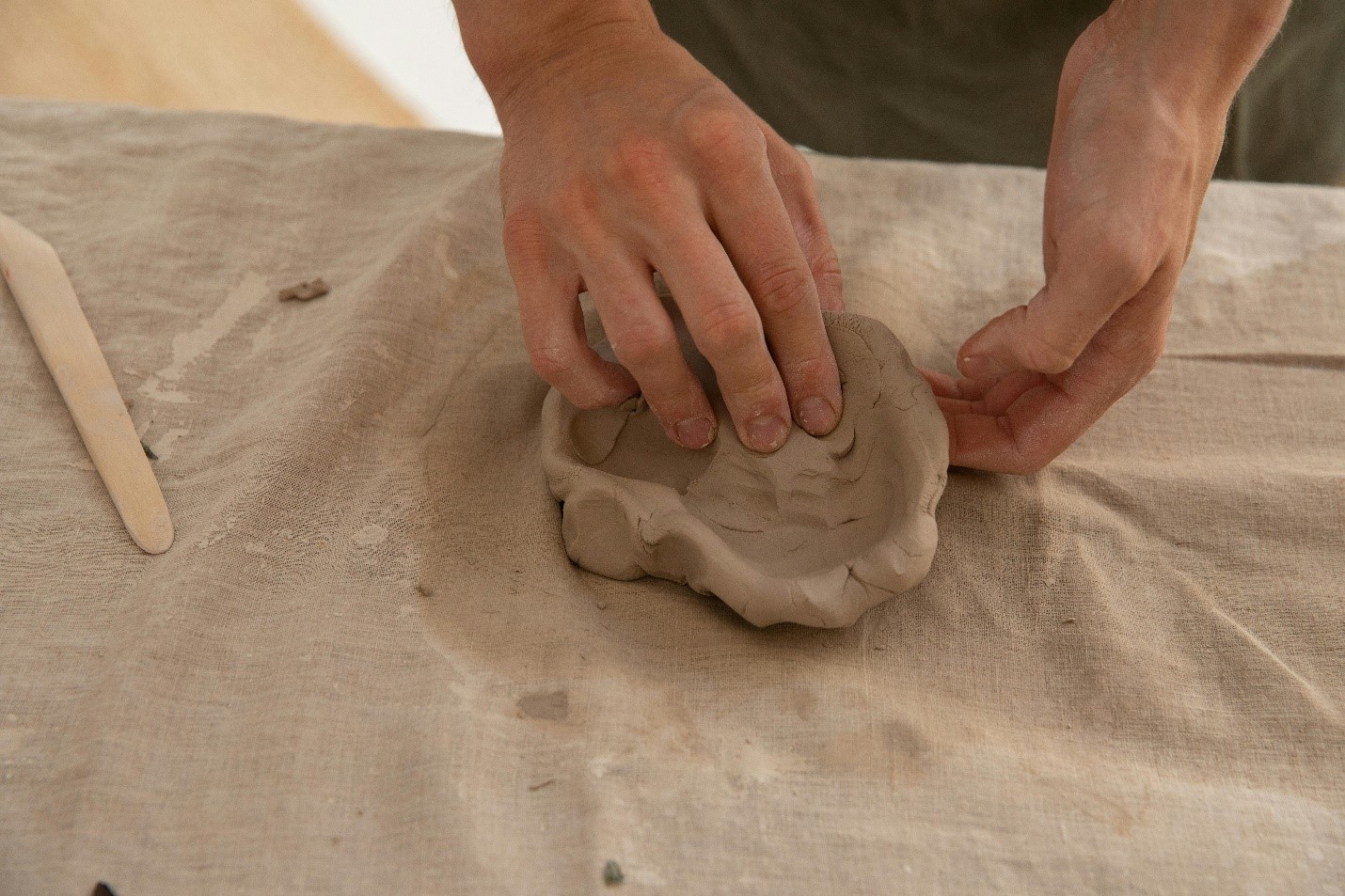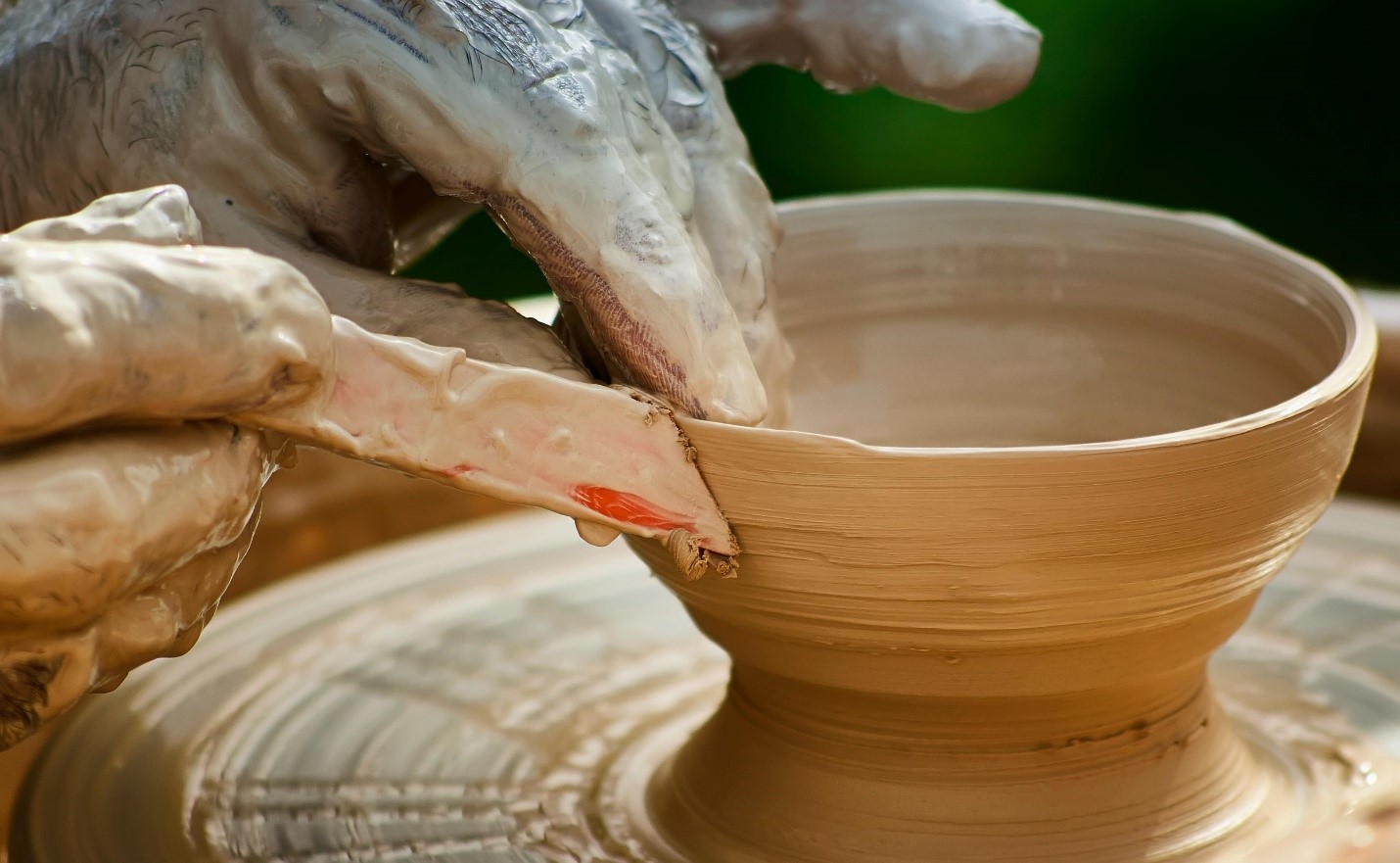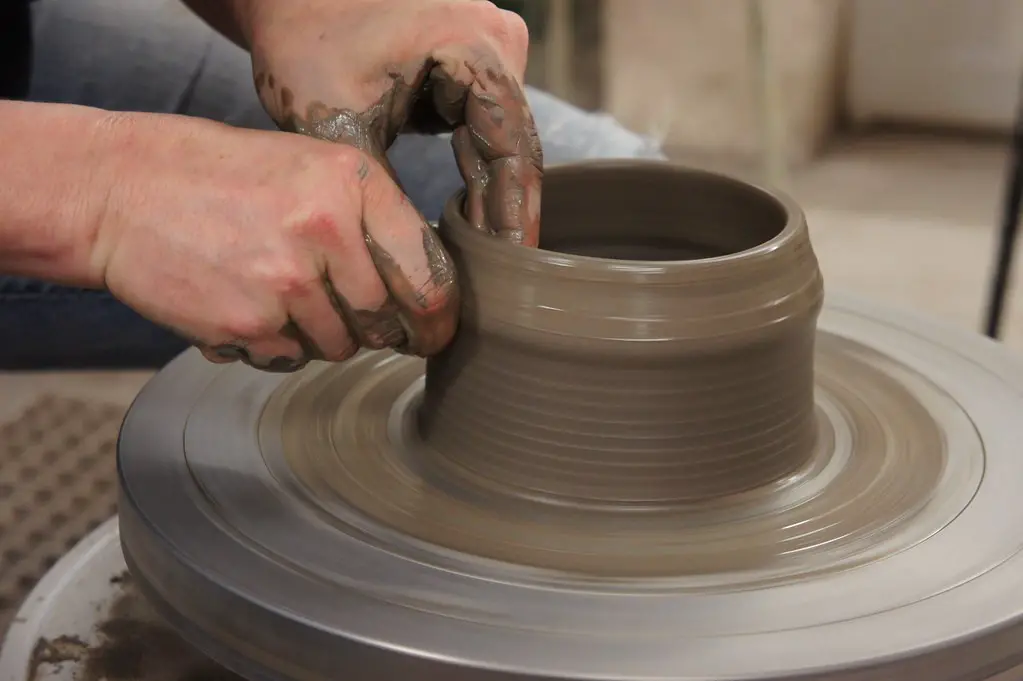
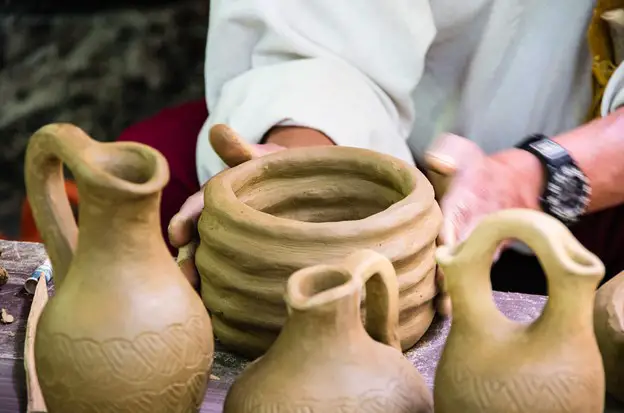
Pottery-making doesn’t have to be too complicated, especially when you are just starting out. You don’t necessarily need to have a pottery wheel to create some beautiful pieces. Rather, you can work the magic of your hands and build something that looks and feels unique. But how would you glaze a pottery piece that you have built by hand? Well, the process doesn’t differ a lot from wheel-thrown pottery art. However, you might have to deal with more fingerprints and imperfections as compared to clay that is wheel thrown. So, how would you choose the best pottery glaze for hand-building? Let us find out!
How To Pick The Right Pottery Glaze For Handbuilding?
For hand-building, there are different types of glazes that would work well while producing some amazing results. However, the ultimate choice depends on your desired effect as well as the clay body you plan on using. Some popular choices among pottery artists include:
1. Clear Glaze:
Clear glaze is a versatile glazing option that can be used as it is or simply as a base for other glazes to be used on top. They tend to provide a transparent and glossy finish to the underglaze or the base glaze. This allows the clay’s natural beauty to shine through. Clear glaze can also be used to enhance the surface textures on your clay body.
2. Matte/Satin Glaze:
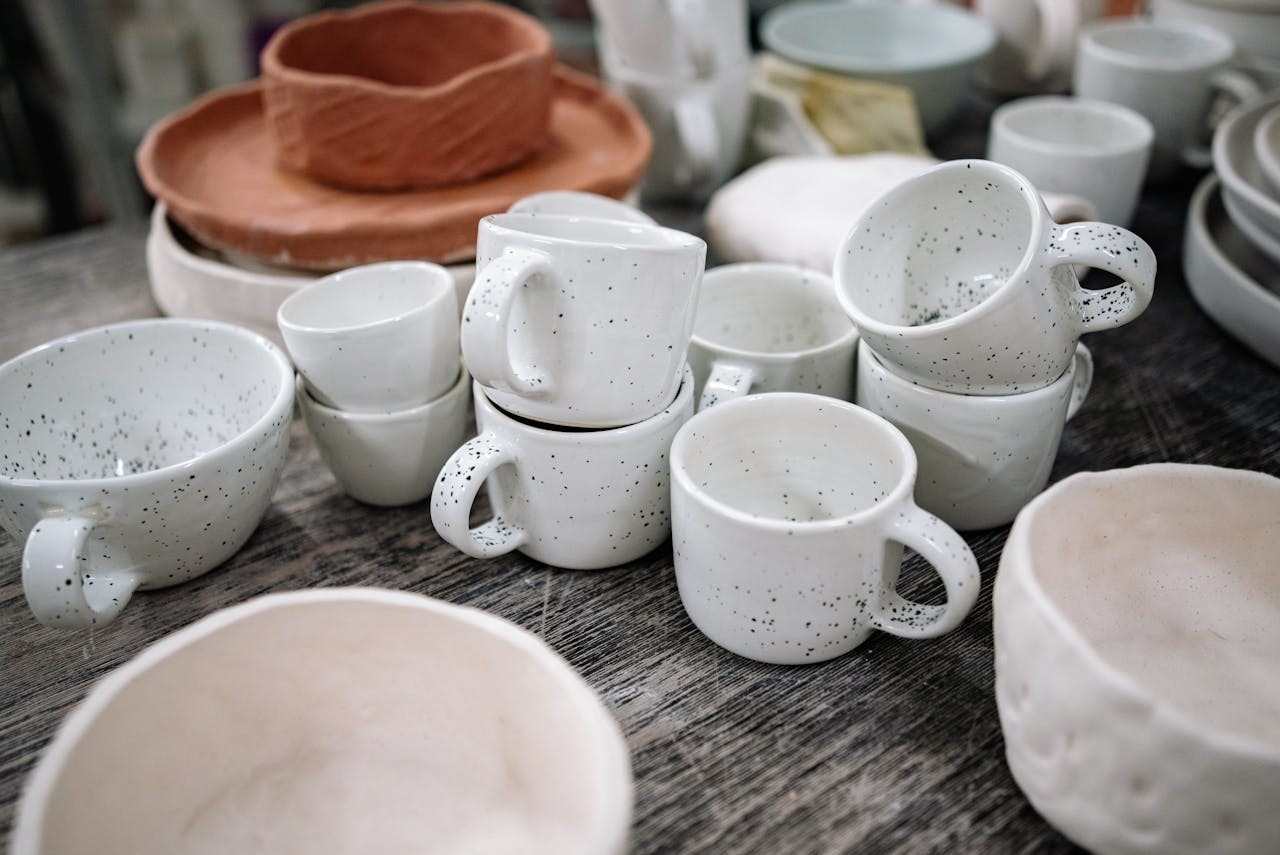
Matte or satin glazes are ideal for handbuilt pieces as they help provide a smooth yet non-reflective surface. If you are aiming for a contemporary or minimalist look, matte glazes are perfect for use with plates, mugs, or bowls.
3. Textured Glazes:
When you work with handbuilt pottery, you often incorporate details and textures into the piece. To enhance these details, textured glazes are an ideal choice. In addition, options such as lava glazes, speckled glazes, as well as crystalline glazes tend to add some depth as well as visual interest to your creations.
4. Celadon Glazes:
These types of glazes are popular for their translucent and delicate appearance. You can find these glazes primarily being used with traditional East Asian ceramics. However, it can also be applied to handbuilt pieces. The output with celadon glazes is mostly pastel with soft colors that help highlight the clay’s texture.
5. Raku Glazes:
The technique of Raku firing involves the use of Raku glazes. It involves the removal of pottery from the kiln while it is red-hot and then placing it in combustible materials. Raku glazes are formulated specifically for this particular firing method, as they produce a beautiful metallic effect with distinctive iridescent colors and crackle patterns.
So, what are some viable choices for beginners that love hand-building? Let us find out!
1. Amaco Potters Choice Glaze:
The Amaco Potters Choice is an opaque glaze that can be fired from Cone 5 to 6. It is perfect for hand-building as well as a spray application. Moreover, the lead-free formulation makes it ideal for dinnerware and conforms to the safety standards set under ASTM D-4236. When applied in a thin layer, it reflects a brown color. On the other hand, when applied in thick layers, the resulting hue is blue. However, depending on the temperature it is fired, the resulting colors can vary.


2. Mayco Crystallites Pottery Glaze:
If you are a fan of beautiful colors that bloom through your artwork, the Mayco Crystallites Pottery Glaze is a wise choice. Available in colors like citrus splash, monsoon seas, northern lights, red fields, and many more, this glaze brand can be used as a standalone option or paired with others. When bisque is fired over the Cone 04 temperature, followed by firing over Cone 06 temperature, the glaze brings about sparkly and variegated patterns. However, if you are hand-building your pottery ware for dinnerware, using this glaze might not be ideal. Yet, it is perfect for decorative purposes.


Conclusion
Keep in mind that it is always recommended that you test your favorite glazes on tiles or small test pieces. This will help you understand how they interact with the clay body, firing temperature, and cooling process. Then, depending on whether you love the effects of high-fire glaze or low-fire ones, you can opt for either of the two pottery glazes listed above. However, it is highly recommended that you go for the Amaco Potters Choice, given its lead-free formulation that results in vibrant opaque colors.