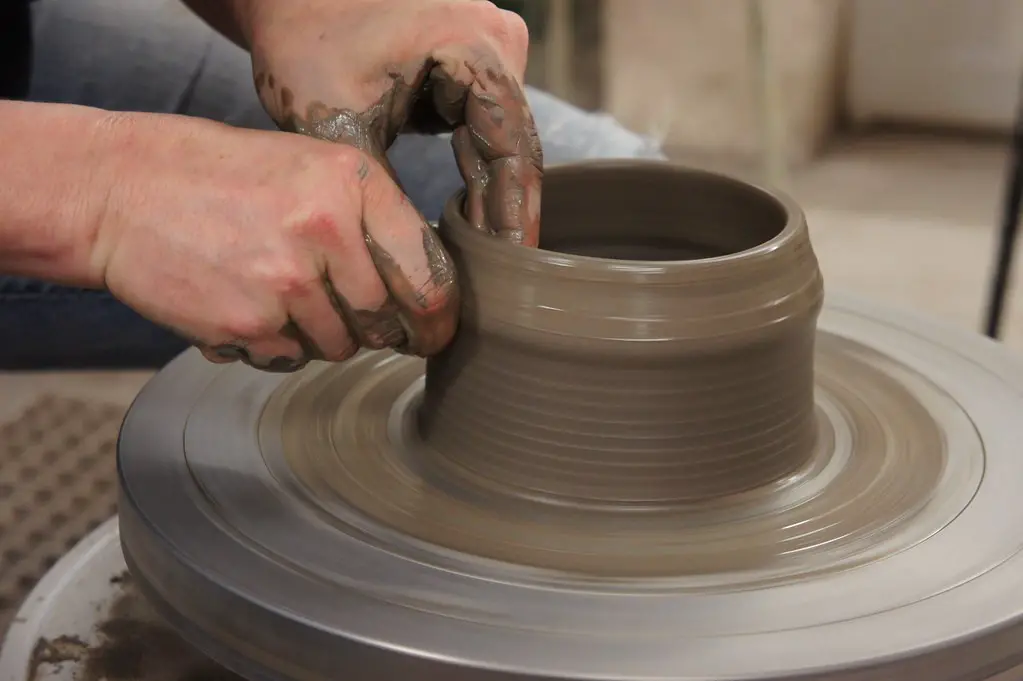
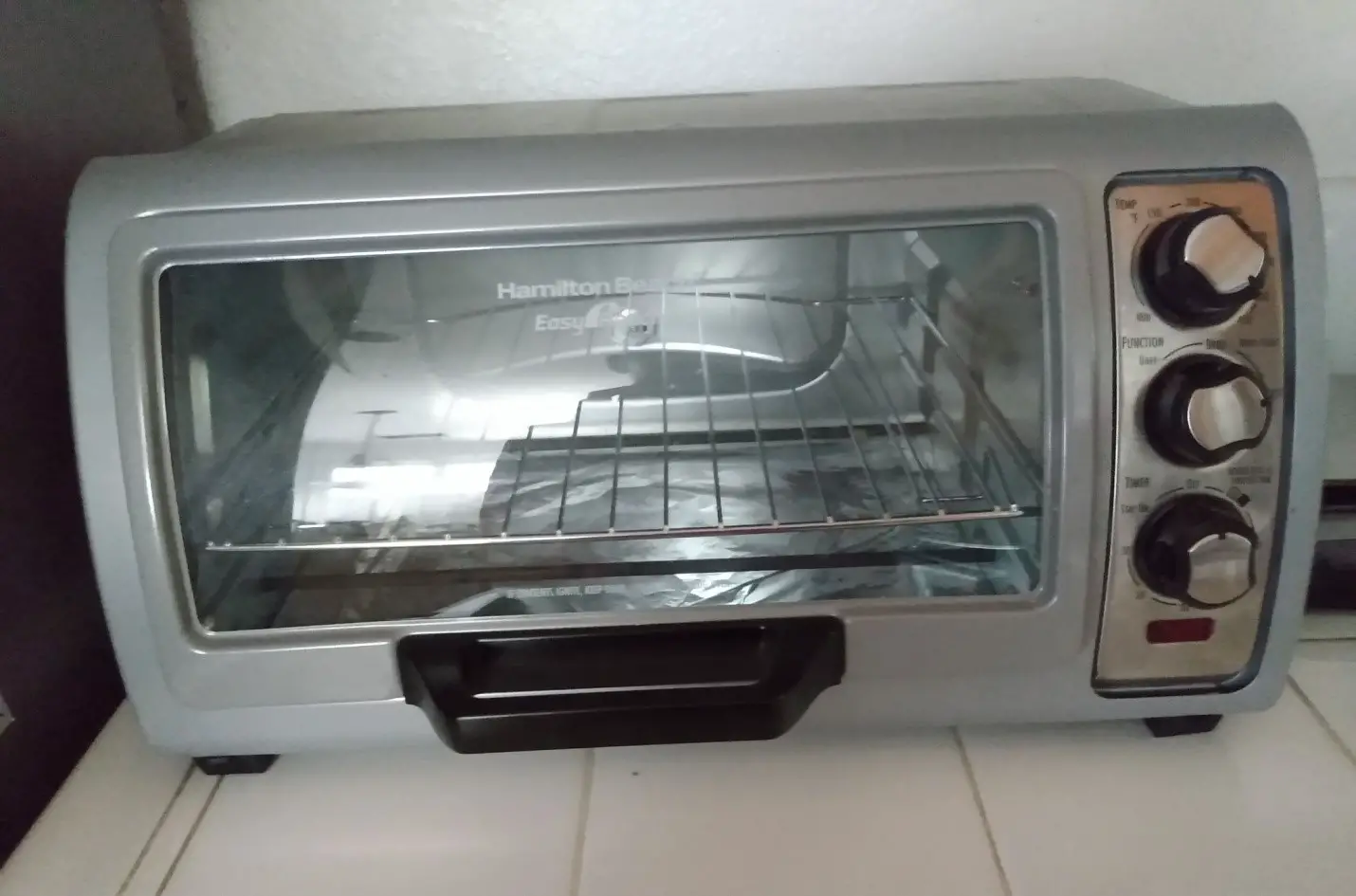
Making pottery at home with your home oven isn’t as demanding or rigorous as it is with professional pottery. However, you need to understand the basics to craft a perfect piece as a hobbyist or beginner artist. Among these basics, proper ventilation is an important criterion. So, why is proper ventilation so important when making pottery in a home oven? Let us find out!
Why Is Ventilation Important For Home Oven Pottery?
Home oven vents are designed to protect your health and ensure any toxic fume doesn’t stay inside. Additionally, a vented home oven ensures cleaner firings that ultimately contribute to fewer firing errors. Moreover, the ventilation system in a home oven ensures that the machine cools down rapidly yet in a properly controlled manner.
When you fire pottery in a home oven, it burns off organic matter from the clay piece. The resulting fume produced includes carbon, water, and other compounds depending on what clay you have used. Although the oven doesn’t get as hot as a kiln, the decorative material might burn off depending on how long you heat the clay.
While the carbon released is mostly carbon dioxide, it also has a bit of carbon monoxide, which can be toxic when inhaled. So, ventilation becomes a crucial factor when baking clay in a home oven. Without proper ventilation, the fumes/vapors can leak into the pottery piece and affect the artwork’s integrity. It can also leak out of the oven and be inhaled by you, eventually turning into a potential health hazard.
How Does Improper Ventilation Affect Your Art Work?
While air is important to heat up your artwork, an excessive amount of heated air can lead to temperature fluctuations inside the home oven. Too much heat, and you might end up with cracked pottery ware or a burnt one. Proper ventilation will ensure that the temperature doesn’t get too high or too low during the firing process.
Moreover, a well-ventilated home oven also has an extended life as compared to the ones that don’t. The toxic fumes produced during the firing process could corrode the heating elements inside the home oven, such as the thermocouples. Ensuring that the fumes are removed from the oven ensures there is minimal wear & tear during the firing process.
So, how can you ensure that your home oven is well-ventilated when creating an artistic piece at home? Let us find out!
Steps To Ensure Proper Ventilation In Your Home Oven
1. Location Is Crucial:
Make sure you place your home oven in an area that is close to a door or window. While it is fine to use garages or basements for your pottery work, make sure there is space for ventilation. Also, make sure that the home oven isn’t in a crowded space. Do not place other appliances in close vicinity to the home oven. A crowded space doesn’t allow the fumes to escape properly.
2. Proper Space Optimization Inside The Home Oven:
Another crucial aspect that you need to keep in mind is the wise utilization of the space inside a home oven. Do not overload the space inside your home oven. When the air inside the home oven doesn’t have any space to move around, the heating is affected, and the final pieces won’t turn out right. The key is to work in small batches and utilize only 50 percent of the space inside the oven. You can also use the P&P Stainless Steel Rack Set to optimize the space utilization inside the home oven.


3. Regular Maintenance:
Regardless of how clean you keep your home oven, there is always a chance that dust and dirt from each firing will settle on the heating elements. You cannot clean these heating elements by yourself, and professional help is always required. So, make sure you schedule regular maintenance of your home oven.
Conclusion
Without proper ventilation, your pottery ware will look dusty and murkier. Moreover, it will also ensure that you don’t accidentally inhale any toxic fumes during the pottery-making process. Finally, a well-ventilated home oven will have long-lasting heating elements, and you won’t have to invest in a new oven for quite some time. The only thing to remember here is not to use the same kiln for cooking your food as well.