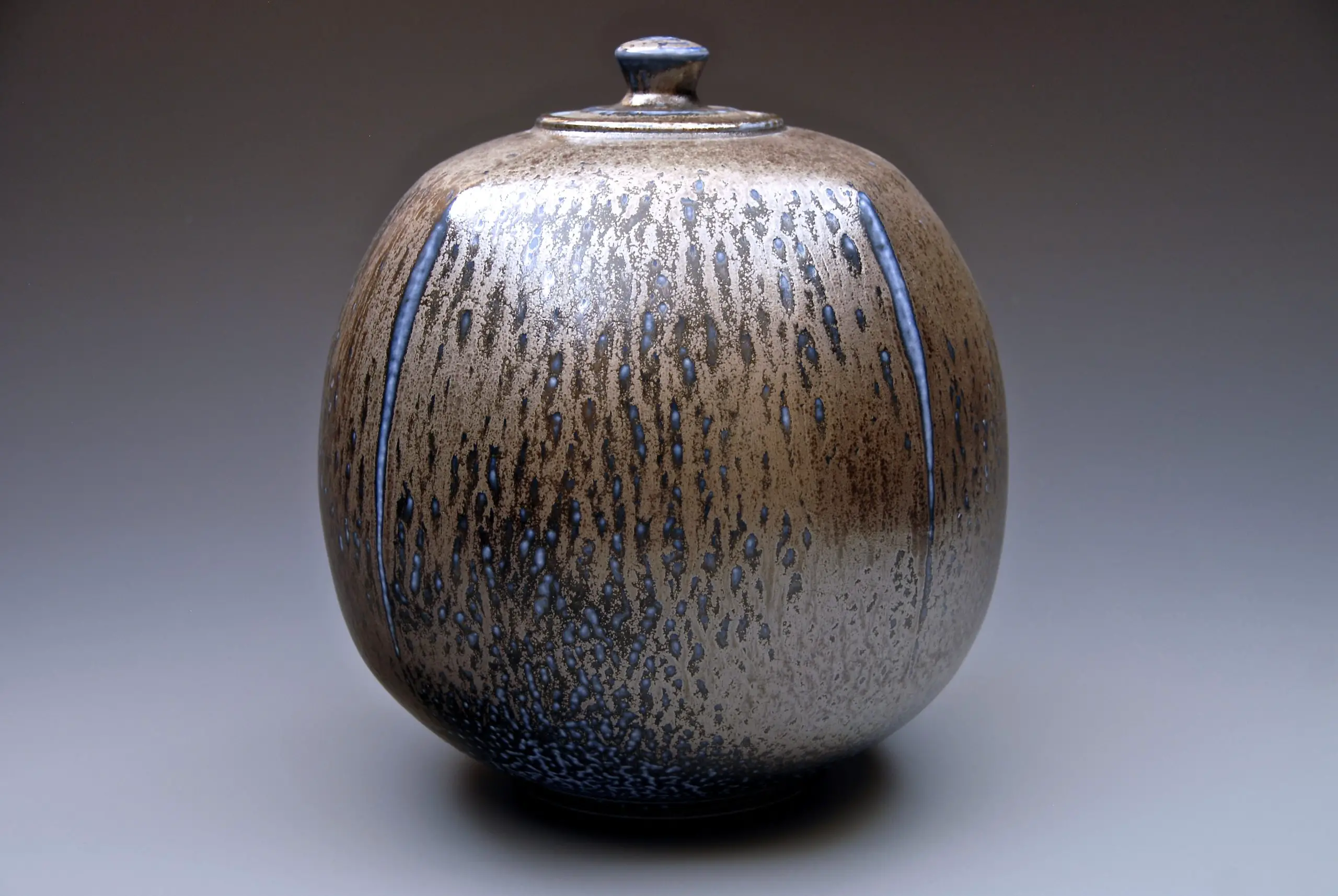
Sax True Flow Crystal Glaze Review

Affiliate Disclaimer

As an affiliate, we may earn a commission from qualifying purchases. We get commissions for purchases made through links on this website from Amazon and other third parties.

When it comes to giving a smooth texture to a pottery piece, nothing can be better than a glaze. However, not all glazes are the same. Hence, it is wise to choose your glaze very carefully which can turn your pottery piece into a masterpiece.


If you are seeking the best glaze that can help you create stunning pottery pieces, then nothing can be better than the Sax True Flow Crystal Magic Glaze from School Specialty. This glaze is designed with the potter’s crucial needs in mind. When trying to craft your pottery items, you need a glaze that is completely transparent to avoid any overshadowing issues for the colors you add to the pottery.


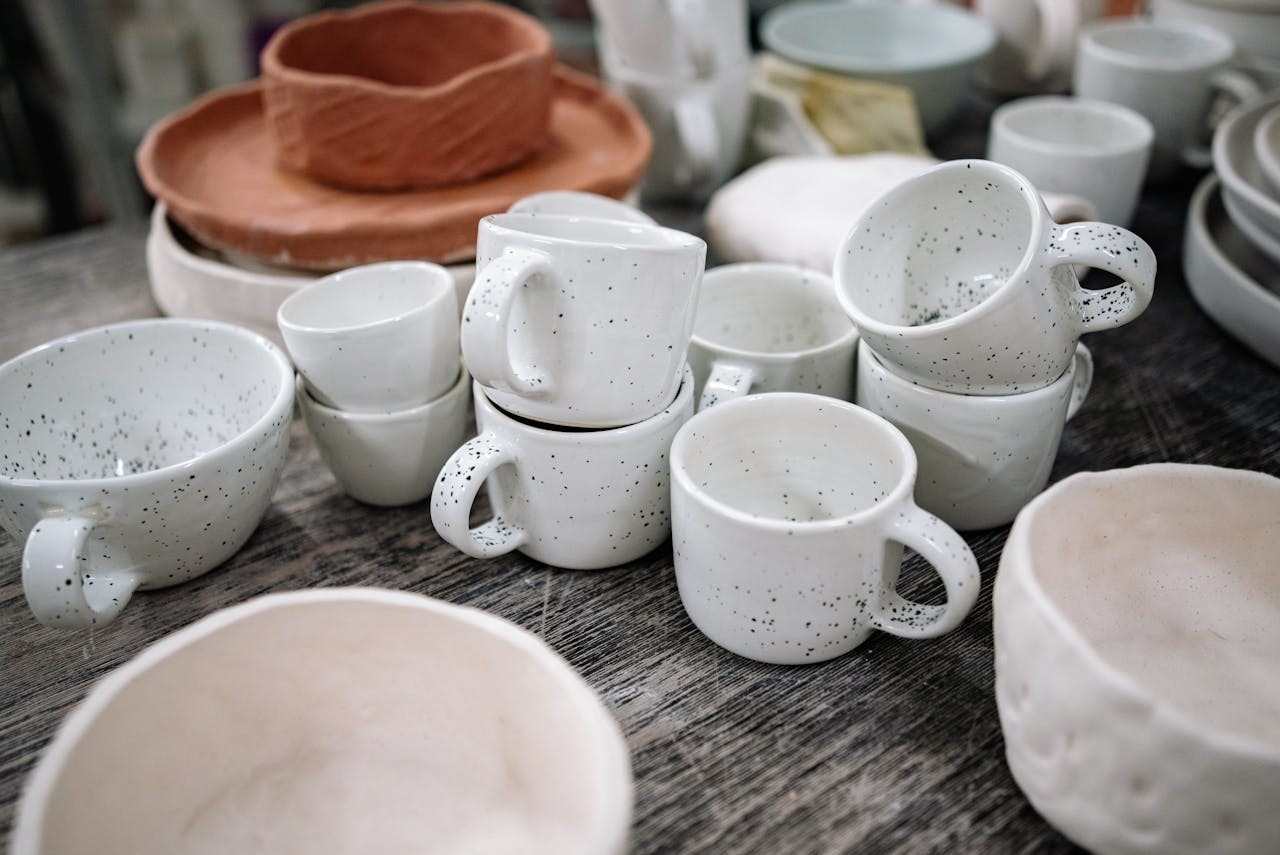
This transparent glaze brought to you by the Sax packs in tiny crystals is hustled with a high-quality speckled base to allow easy melting & moving during the firing process. It allows the colors added to the pottery to bloom, providing you with unique and beautiful results. In the process of firing the pot, the base Sax glaze will fade away as well as cascade when the same is fired at the Cone 6 temperature, which is an ideal one for this glossy coating.


While most potters prefer opting for the cone 9 or 2300°F temperature, it is ideal to go for the cone 6 temperature (2232°F) when using the Sax True Flow Crystal for the best results. Additionally, the glaze is stable and doesn’t deteriorate even when the temperature it is exposed to after firing goes below the freezing point.


Ideal for artists and students learning new crafting techniques, this particular pottery glaze is free of lead or cadmium, which is notoriously famous for causing poisoning issues. Although the glaze isn’t toxic, it isn’t recommended for use with dinnerware given the fact that it tends to react with the items that are kept on the surface, especially when it is hot or acidic.


The Sax True Flow crystal is AP-certified and contains no allergens that can affect the user before or after the firing process. Available in a range of colors, this glaze is ideal for all your pot painting needs. The color crystals move around during the firing process to create beautiful patterns that make each project of yours unique and shiny.


The glaze is thick enough to allow you to coat with even a single brush stroke and leave a lasting effect that doesn’t come off abruptly or way too soon. Additionally, the colors come out just as stated in the labels with no shade variance and ample added shine.


Several potters or crafters complain of brush strokes showing up after the firing process with their glaze. However, this is not the case with Sax glaze. This product efficiently melts and covers all the uneven spaces in your pot or crockery items without leaving any marks or scuffs that surface during the glaze painting process. Depending on how you want the texture in your pot, you can decide whether you need one coating or two. If you need a clean and glossy texture, an ideal two-stroke would be perfect for your needs with Sax glaze.


So, if you need a glaze with striking colors and perfect depth plus quality, make sure you buy the Sax True Flow Crystal Magic Glaze.

Latest posts

  • The First Technique a Pottery Beginner Must Learn

    The First Technique a Pottery Beginner Must Learn

    Pottery is a significant art form. Your creativity and technique matters greatly when you are trying this activity. Here, you can convert simple clay into a beautiful piece. Pottery can be exciting but also full of challenges if you are starting. The first technique a pottery beginner must learn is centering their clay. This article…

    Read more

  • Craft Your Own Unique Handcrafted Coffee Mugs: A Step-by-Step Guide

    Craft Your Own Unique Handcrafted Coffee Mugs: A Step-by-Step Guide

    Bringing creativity and practical skills in designing personalized, functional pieces is how one creates handcrafted coffee mugs. It starts from clay selection to mug shaping and then passes on to firing in a kiln, finishing with decorative glazes. In this hands-on project, therefore, not only are creative mugs made, but valuable experience in pottery techniques…

    Read more

  • The Number 1 Pottery Mistake Made by Beginners

    The Number 1 Pottery Mistake Made by Beginners

    The most common pottery mistake beginners make is not wedging the clay. Beginners often overlook this crucial step, which leads to many issues in pottery. In this article, we will explore why beginners skip wedging. We will also discuss the consequences of this mistake and how to wedge clay perfectly. By understanding and correcting this…

    Read more

  • Secrets to Mistakes in Pottery Throwing

    Secrets to Mistakes in Pottery Throwing

    The simplicity and appeal of pottery throwing cannot be overstated. The sound of the wheel turning, the feeling of dirt and clay between one’s fingers, and the ability to take a lump of mud and create something useful or beautiful is enthralling. However, as with any art form, pottery throwing has its complications. Avoiding common…

    Read more

  • Unlock Your Potential: Pro-Level Pottery Throwing Strategies

    Unlock Your Potential: Pro-Level Pottery Throwing Strategies

    Unlock one’s potential with pro-level pottery-throwing strategies designed to elevate one’s craft. Whether a novice or an experienced potter, mastering these techniques will enhance skills, enabling the creation of more intricate and polished pieces. Discover tips on wheel control, clay consistency, and finishing touches to transform pottery. Embrace these strategies and watch one’s pottery throwing…

    Read more

  • Revolutionize Your Pottery Game: Cutting-Edge Throwing Methods and Inspiration

    Revolutionize Your Pottery Game: Cutting-Edge Throwing Methods and Inspiration

    Wheel-throwing pottery refers to the procedure of forming clay vessels on the potter’s wheel through the combination of centrifugal force and relative control by the potter. The clay gets inclined and stretches outwards as the potter spins the wheel. This article discusses the inspiration, methods, and tips you can follow for throwing pottery on wheels.…

    Read more