
Tutorials
-
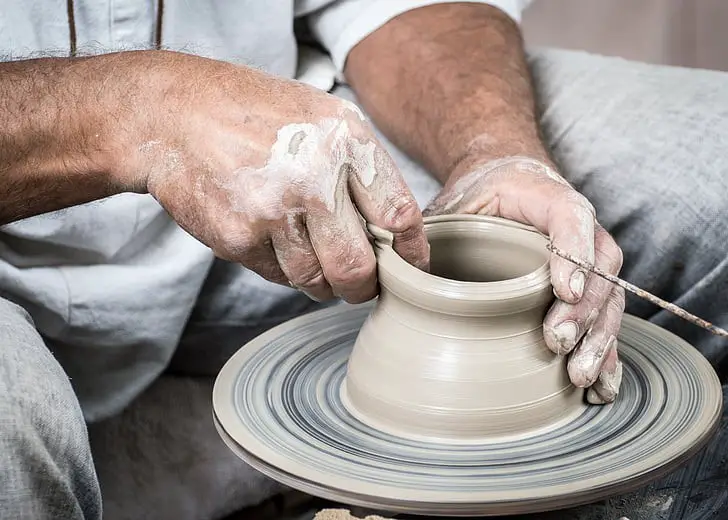
The First Technique a Pottery Beginner Must Learn
Pottery is a significant art form. Your creativity and technique matters greatly when you are trying this activity. Here, you can convert simple clay into a beautiful piece. Pottery can be exciting but also full of challenges if you are starting. The first technique a pottery beginner must learn is centering their clay. This article…
-
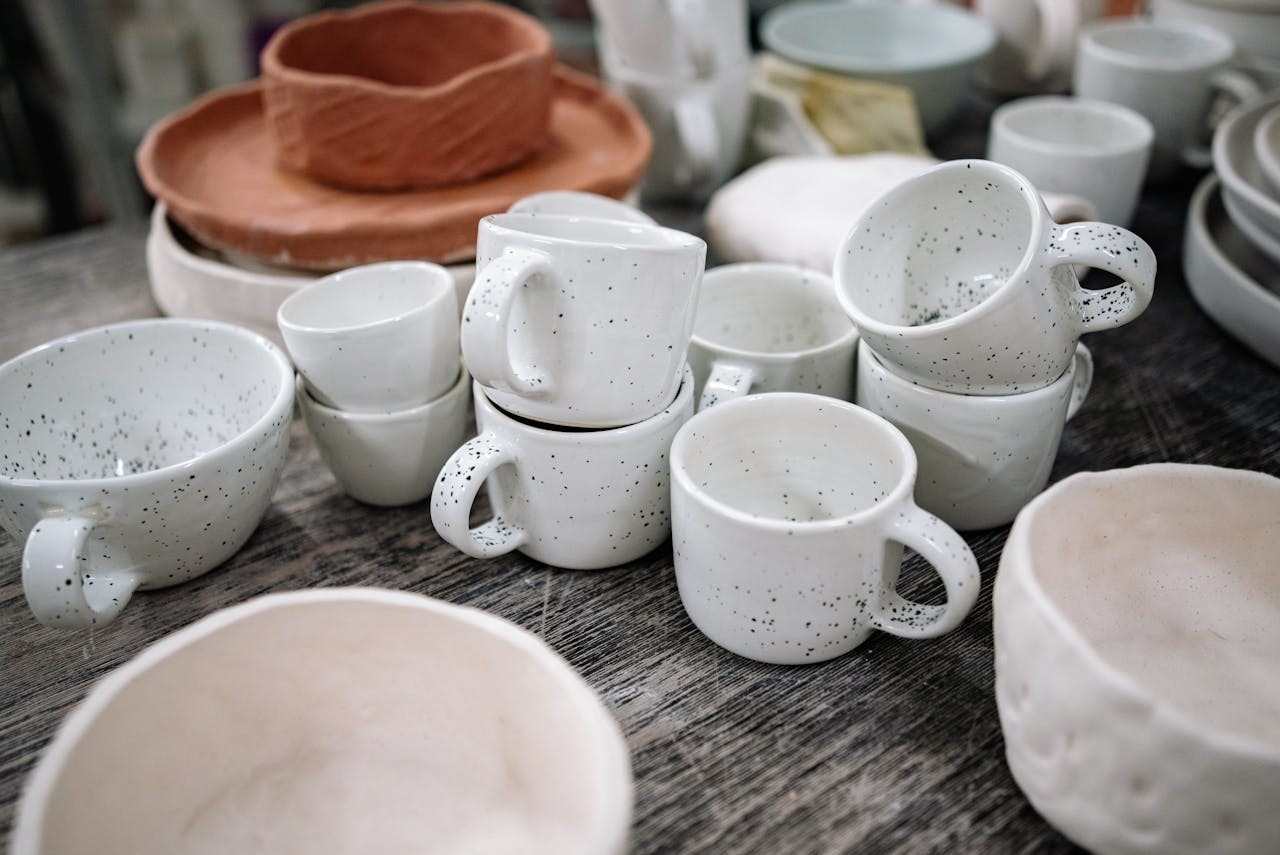
Craft Your Own Unique Handcrafted Coffee Mugs: A Step-by-Step Guide
Bringing creativity and practical skills in designing personalized, functional pieces is how one creates handcrafted coffee mugs. It starts from clay selection to mug shaping and then passes on to firing in a kiln, finishing with decorative glazes. In this hands-on project, therefore, not only are creative mugs made, but valuable experience in pottery techniques…
-
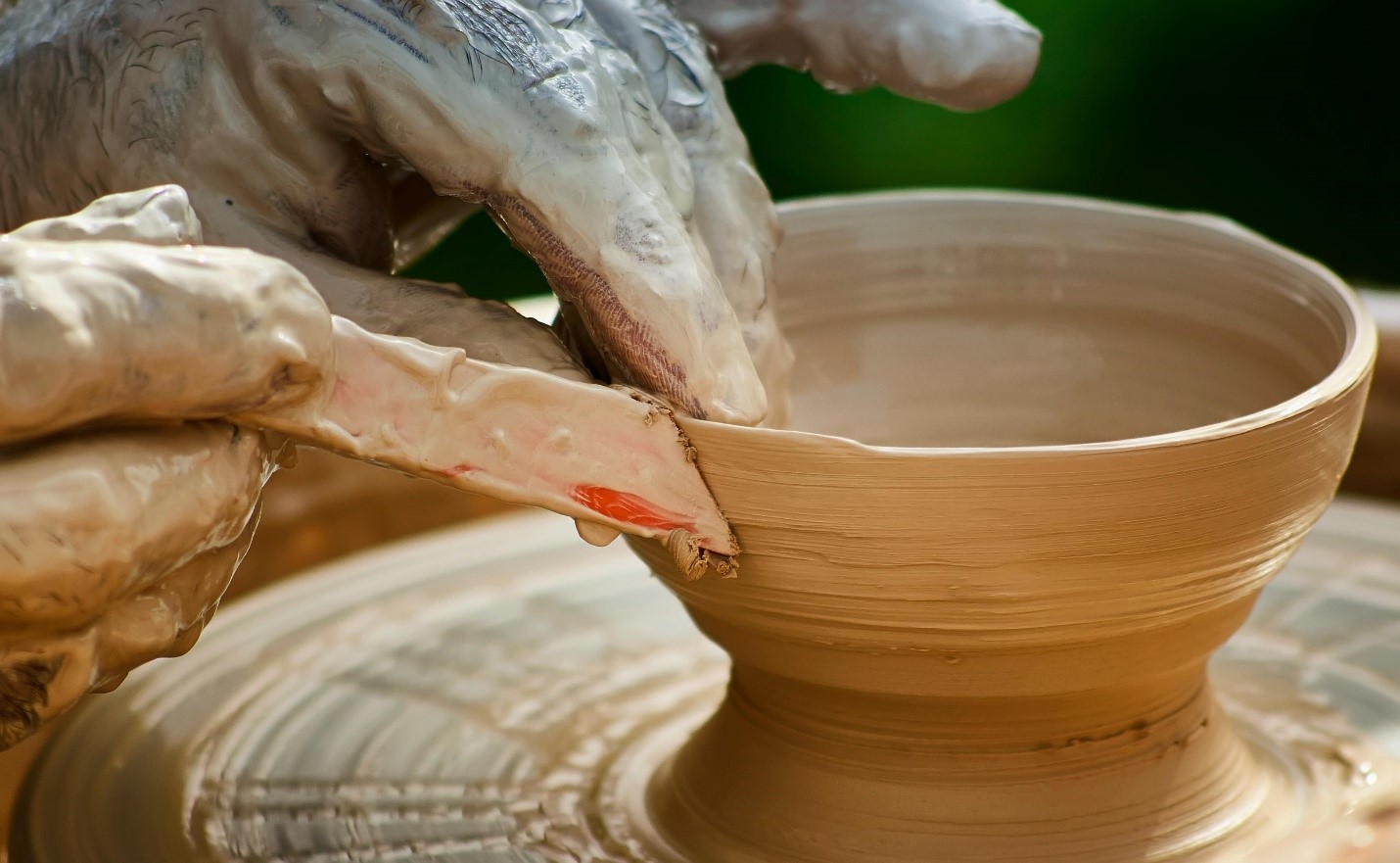
Secrets to Mistakes in Pottery Throwing
The simplicity and appeal of pottery throwing cannot be overstated. The sound of the wheel turning, the feeling of dirt and clay between one’s fingers, and the ability to take a lump of mud and create something useful or beautiful is enthralling. However, as with any art form, pottery throwing has its complications. Avoiding common…
-
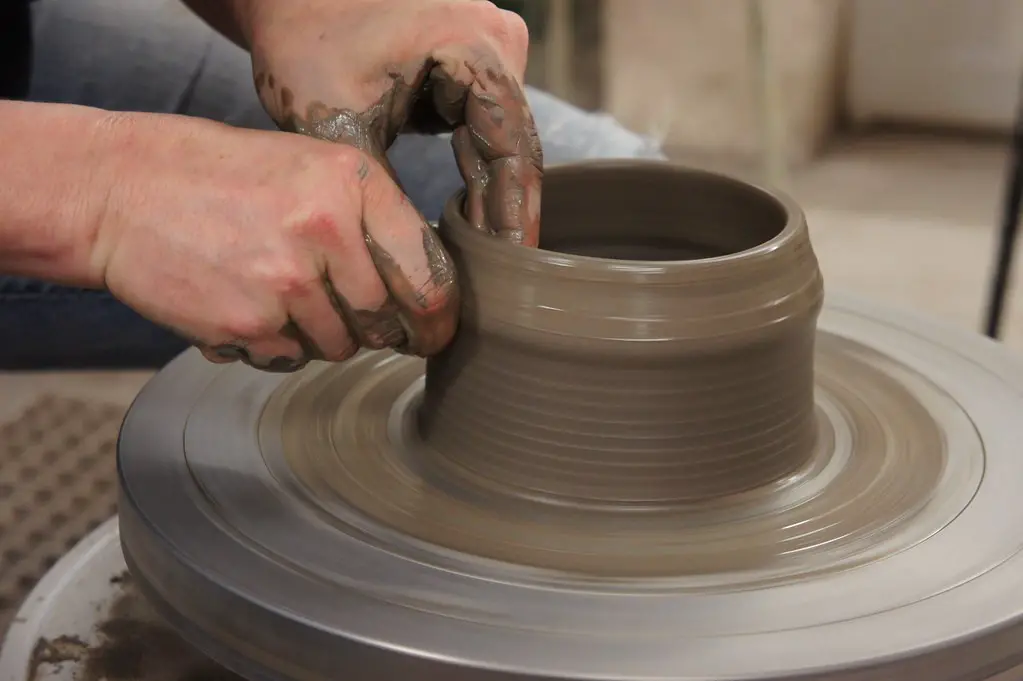
Revolutionize Your Pottery Game: Cutting-Edge Throwing Methods and Inspiration
Wheel-throwing pottery refers to the procedure of forming clay vessels on the potter’s wheel through the combination of centrifugal force and relative control by the potter. The clay gets inclined and stretches outwards as the potter spins the wheel. This article discusses the inspiration, methods, and tips you can follow for throwing pottery on wheels.…
-
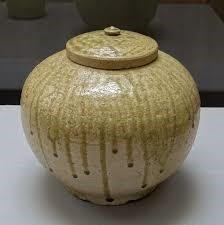
Ash Glaze Recipes and How to Use Them
Ash glaze, also known as wood ash or organic vegetation glaze, is made from the ashes of trees, vegetation, fruits, and vegetables. It has been used for over 2,000 years, and historical evidence indicates its popularity in several Asian cultures. Its popularity then and now is due to its simplicity, ease of procurement, and final…
-
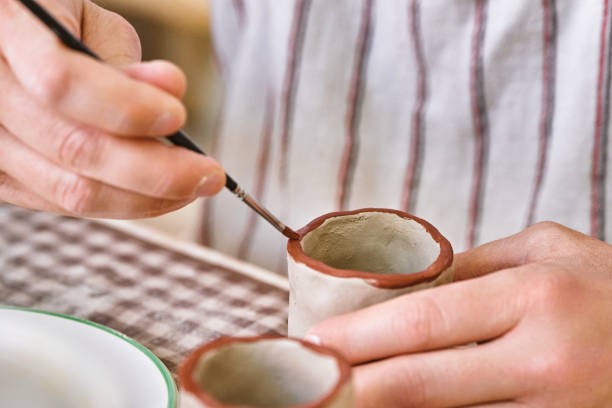
Copper Red Glaze Magic: Proven Recipes for Pottery Perfection
Potters have spent their outstanding efforts to master copper red glazes for centuries now. These glazes have rich shades that can have a mesmerizing effect on just about any onlooker. The copper red glaze magic has long been practiced to bring to life some of the best pottery pieces in human history. This article will…
-
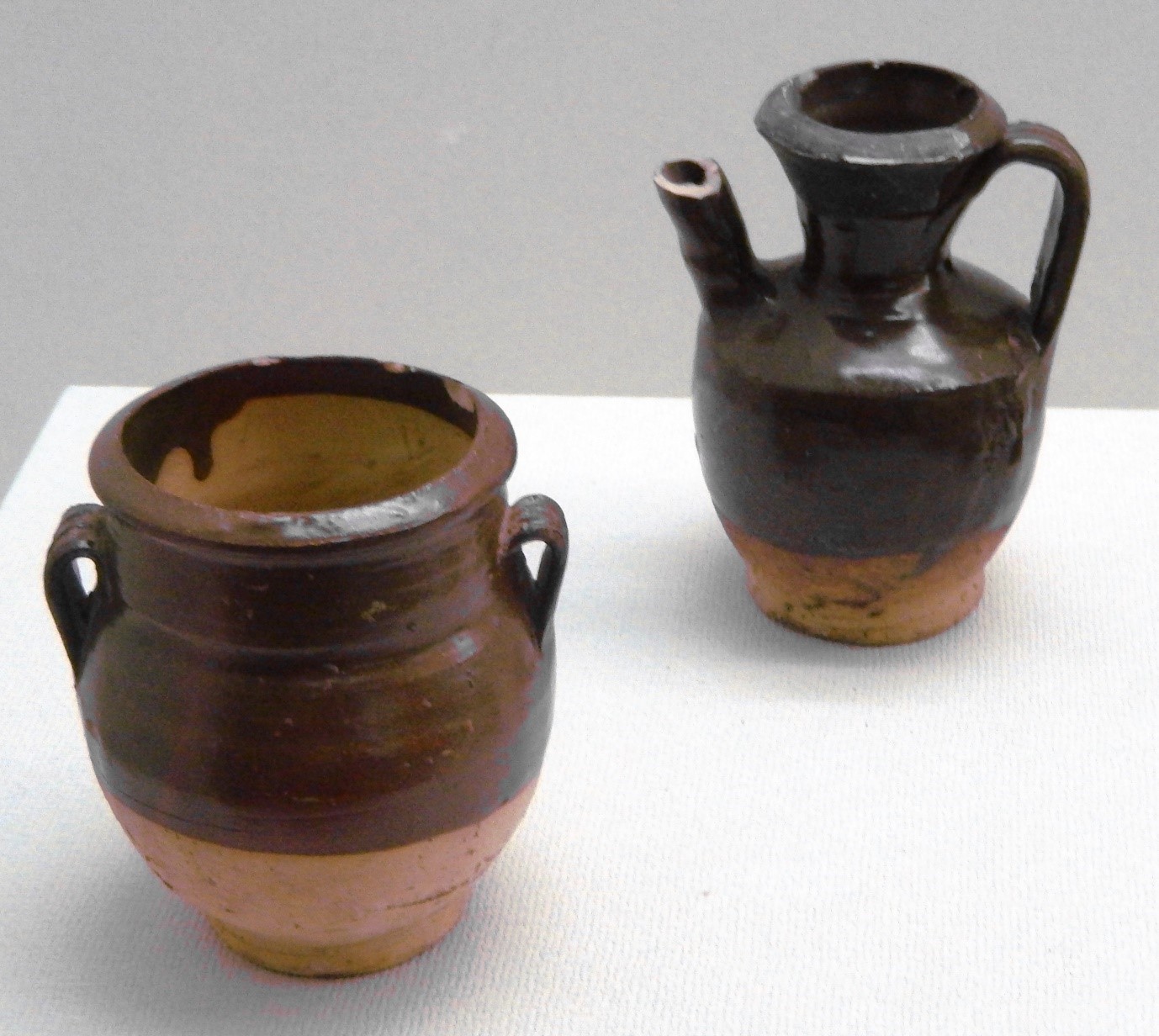
Tenmoku Glaze Recipes for Rich Dark Brown or Black Color Effects
Tenmoku glazes have long been a favorite coating type for ceramic artists throughout centuries. They are characterized by shiny dark brown and black colored effects. They also have many variations that one can experiment with. This article will show you the extraordinary world of Tenmoku glazes, what they are made of, and the best recipes…
-
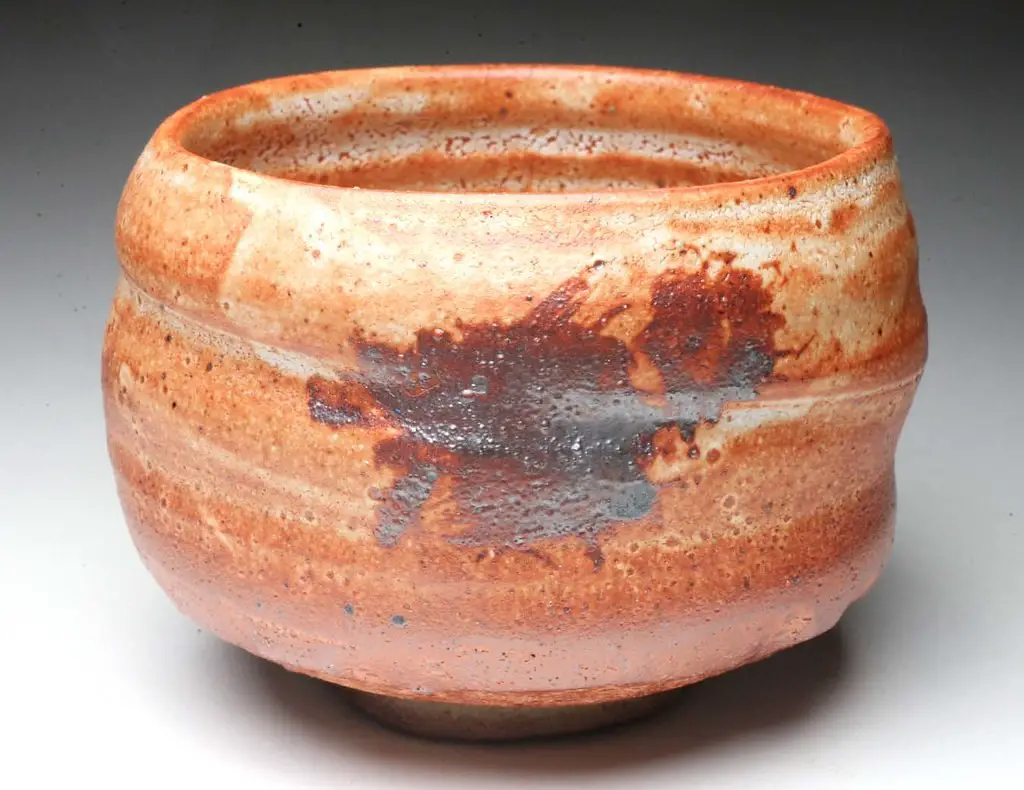
Shino Glaze Recipes for Their Distinctive Orange-Peel Texture
Shino glazes are famous for the orange peel texture they bring to pottery. They are created with a careful balancing act between chemistry and skill. They are defects in design but so exquisite that artists can’t help but decorate their pieces with them. The desired texture is achieved through mixing components such as Spodumene, redart,…
-
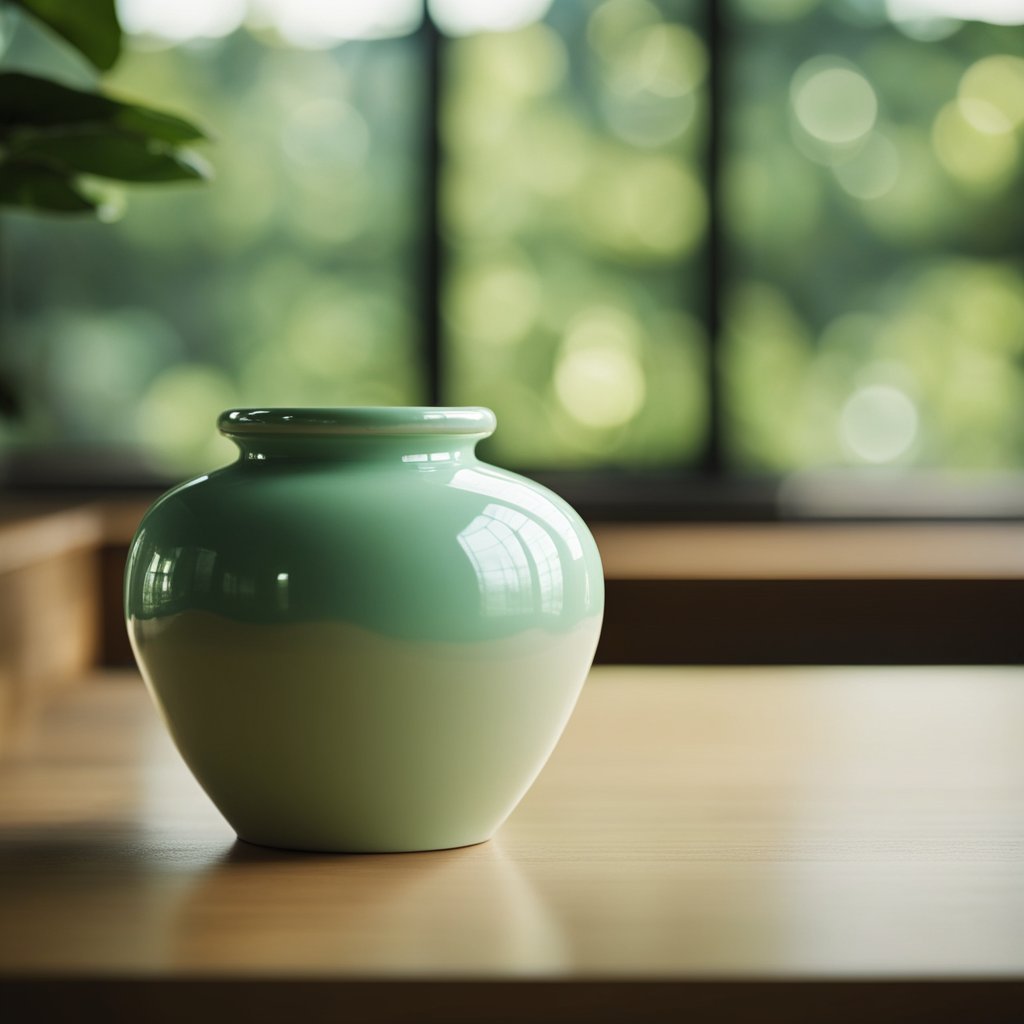
The Best Recipes for Celadon Glazes
Celadon glazes have a long history and are admired and used by skilled artisans worldwide. They are the result of expert craftsmanship. Artists have long created beautiful ceramic wares using these glazes. These glazes are trending amongst new artists with a unique jade hue and stunning crackle effects. We have brought forward the best recipes…
-
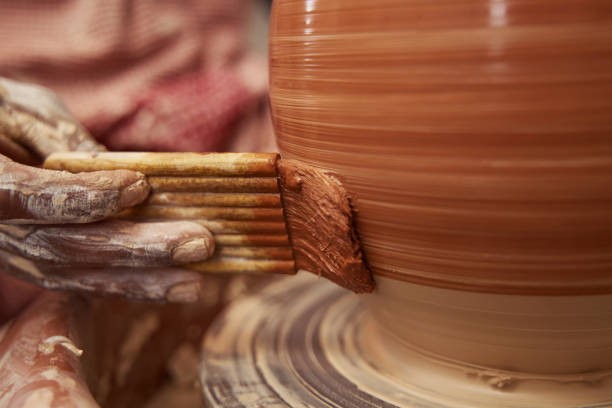
Cone 6 Glaze Recipes: Glaze Recipes Suitable for Firing at Cone 6 Temperatures
Cone 6 firing is amongst the most optimal and favorite firing temperatures because of its versatility and accessibility. At a firm 2167°F (1186°C), Cone 6 has a firing that helps you get durable, functional, and vibrantly glazed textures. This article is your comprehensive guide to Cone 6 glaze recipes. We have assembled the glaze recipes…
-
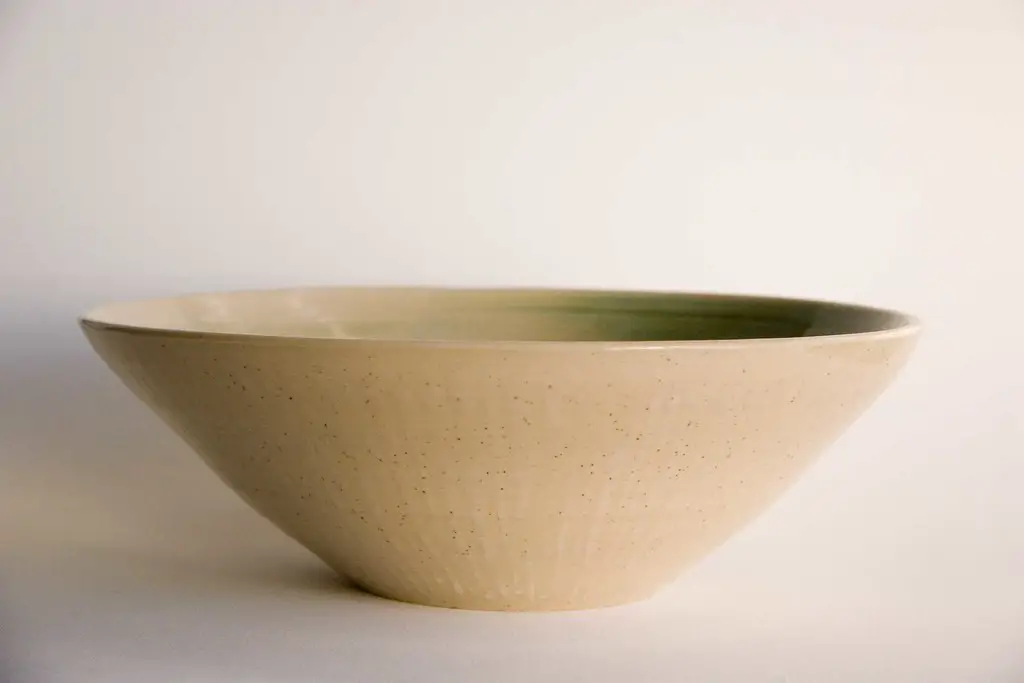
The Best Transparent Glaze Recipe to Use on Your Pottery
Transparent glazes are an essential part of pottery making. They offer not just protection but also an aesthetic touch to your form. While the modern versions of transparent glaze recipes help you explore your creativity, the traditional recipes offer a standard basis. However, no matter your skill level as a potter, you can still create…