Equipment
-
BABORUI 14Pcs Pottery Mug Handle Molds: Complete Review
Mugs are the easiest thing you can make when starting as a pottery artist. However, their handles can be a bit messy to perfect. Pottery mug handles carry the weight of the entire mug and have to be durable enough to let you hold it even with liquids inside. Moreover, the handle has to be…
-

The Best Oven Bake Clay To Use
As a beginner pottery artist, it isn’t necessary for you to have access to a commercial kiln that is pretty expensive. If you are starting out as a hobbyist or simply learning the basics, you don’t really need to work with a kiln. Instead of going with traditional clay variants like earthenware, porcelain, or stoneware…
-
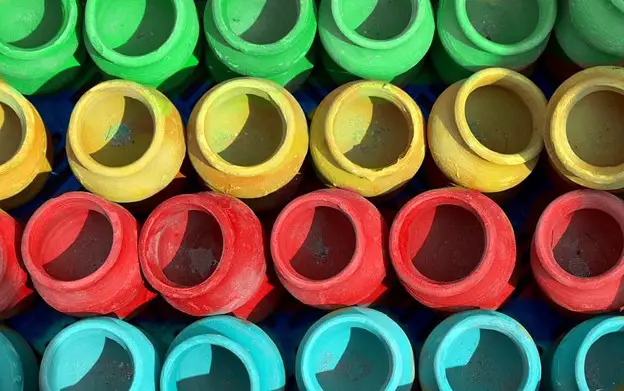
How to Add Color to Air Dry Clay: Tips and Techniques
Acrylic paint is the go-to option for crafters who love to add colors to their air-dry clay projects. However, why should you limit your creativity to just one coloring medium? Air-dry clay is the perfect choice for crafters who are on a budget and do not want to work with a kiln or oven. It…
-
What type of pencil to use for pottery?
Pencils are an artist’s best friend, and if you are working on an intricate piece of pottery, you need to have a guideline and some designs in place to get everything just right. However, the only problem is that the pencils we regularly use to draw might not be the ones you should pick for…
-
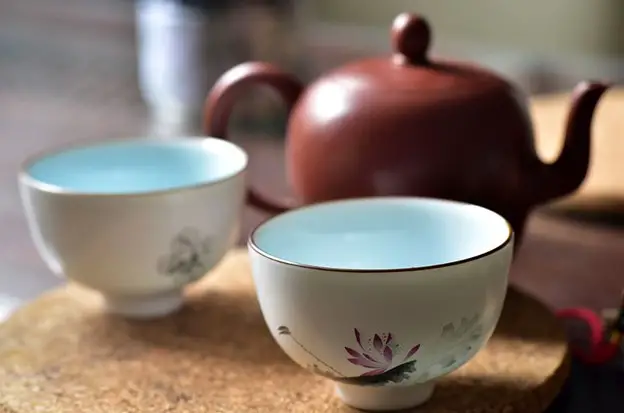
Affordable Pottery Glazes For Beginners
As a beginner pottery artist, it can be difficult to prepare glaze at home, even if you have all the right ingredients. Preparing a concoction of the right consistency can be a tad difficult for beginner artists, and given the high cost of ingredients, it can be a big waste. While most glazes can be…
-
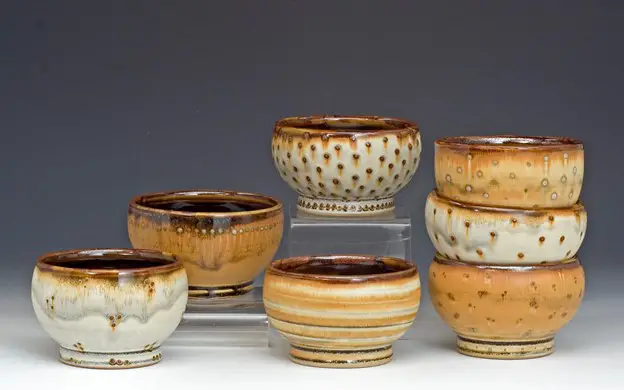
Beginner-Friendly Pottery Glazes
From picking the right clay to sealing off the surface with a glaze, pottery is an expansive process that requires practice and precision. If you are just starting out, you need the right pottery glaze that is easy to use and gives impeccable results when fired in a kiln. However, not every pottery glaze is…
-

Air Dry Clay vs. Polymer Clay: What’s the Difference?
Polymer clay and air-dry clay are among the clay variants that do not require firing. Therefore, it is perfect for beginners that are on a budget. When deciding on the type of clay to choose for sculpture making, it is important to know what suits your style. Moreover, factors such as time required for drying/curing…
-
The Top 5 Brands of Air Dry Clay to Use for Your Projects
Are you starting your journey as a pottery artist and worried that an expensive kiln could put you off budget? Well, the key is to use air-dry clay. This clay variant’s versatility and affordability make it a top choice among beginners as well as expert crafters who are on a budget. It can be molded…
-
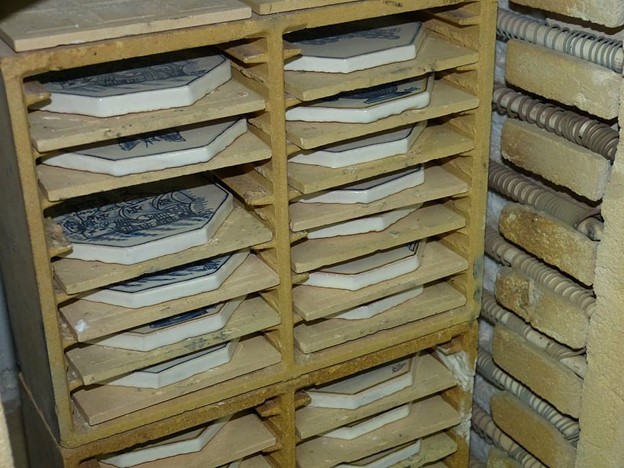
Kiln Wash Or Kiln Shelf Paper
Just like any tool or machine, your kiln needs safekeeping as well. When you fire your pottery ware in an electric or brick kiln, the shelves and sides of the kiln wall are exposed to glaze that tends to fuse into the structure after it cools down. So, it is important to protect them and…
-
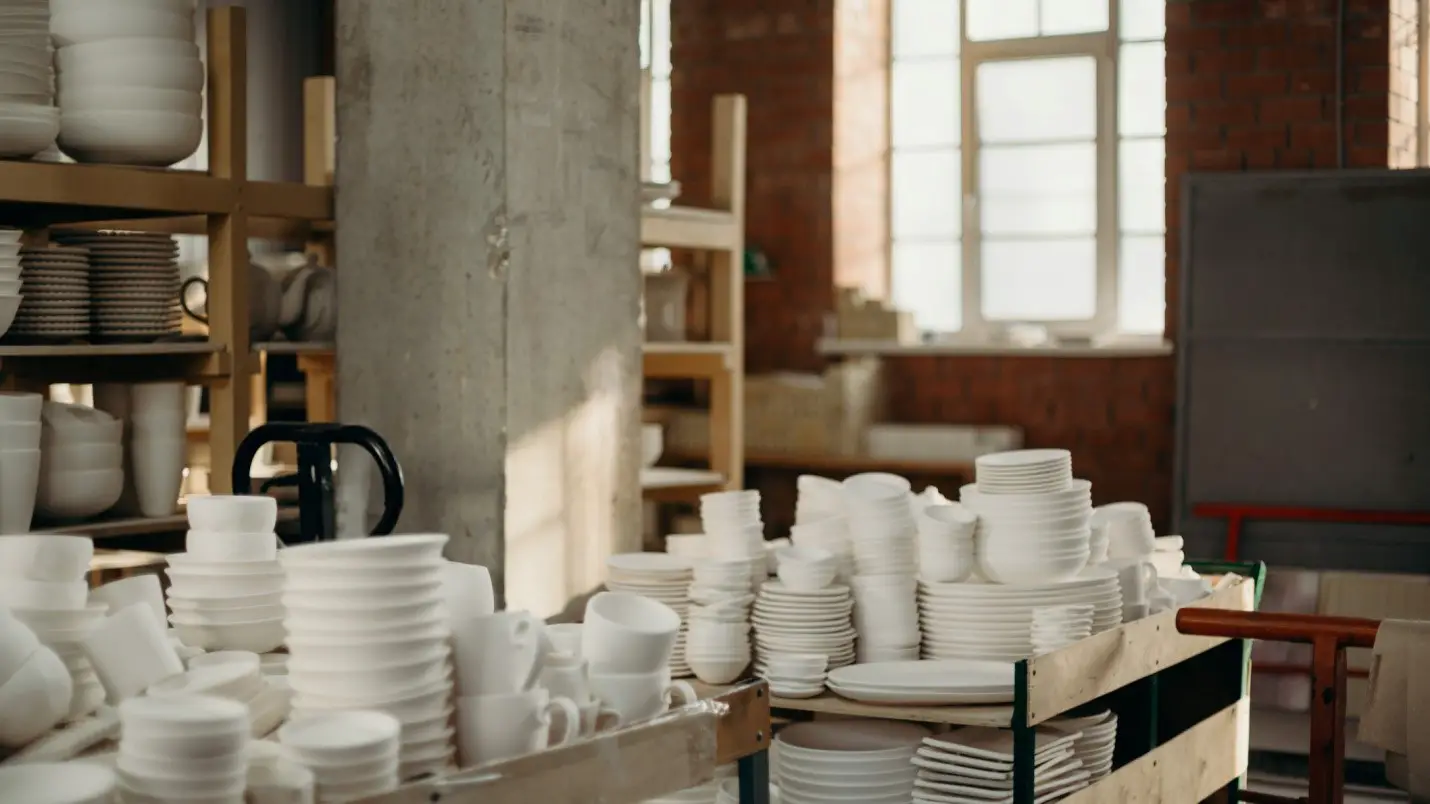
How To Create A Pottery Studio In Your Home For Oven Firing?
If the pottery world interests you, the first thing that would pop into your mind is to enroll in a pottery class. However, the regular travel requirements and expensive fees can deter you from starting your pottery-making journey. However, with a little effort, you can start your pottery-making escapades right from home with a well-planned…
-
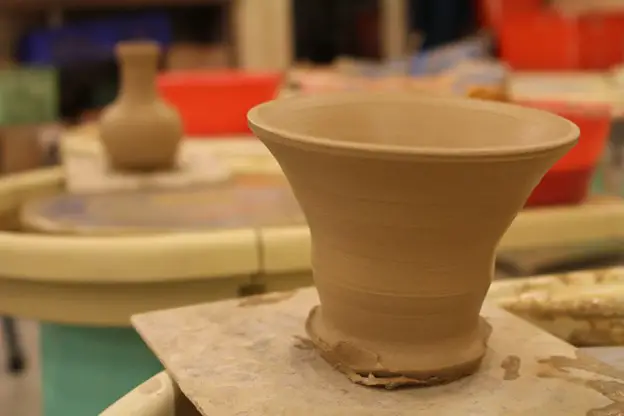
The Difference Between Earthenware And Stoneware For Home Pottery Making
The best clay options in your home pottery-making set-up are either air-dry or polymer clay. This is because the use of a home oven doesn’t generate enough temperature to fire traditional clay variants like earthenware or stoneware. However, if you do wish to use stoneware or earthenware, you can surely take your pottery ware to…