Info
-
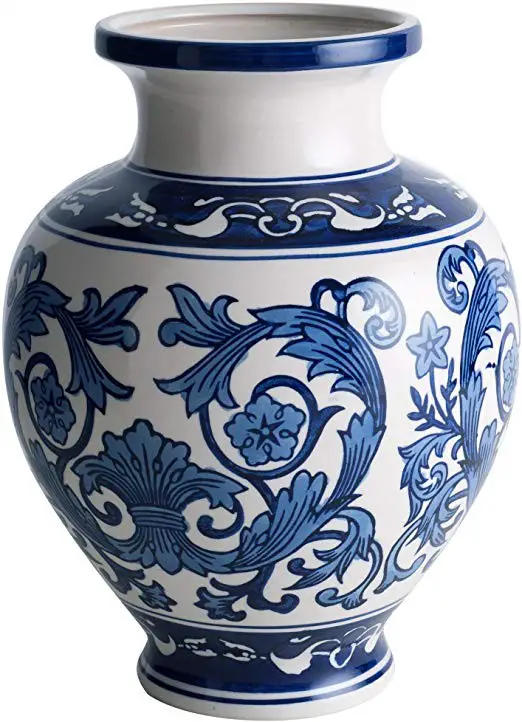
Pottery Or Porcelain. What is The Difference?
As a beginner in pottery, it is essential you know the differences between the different types of clay, kilns, and even pottery. You can have unlimited access to such information by checking other related posts on this website. Today, we are going to be talking about the difference between pottery and porcelain. I know you…
-
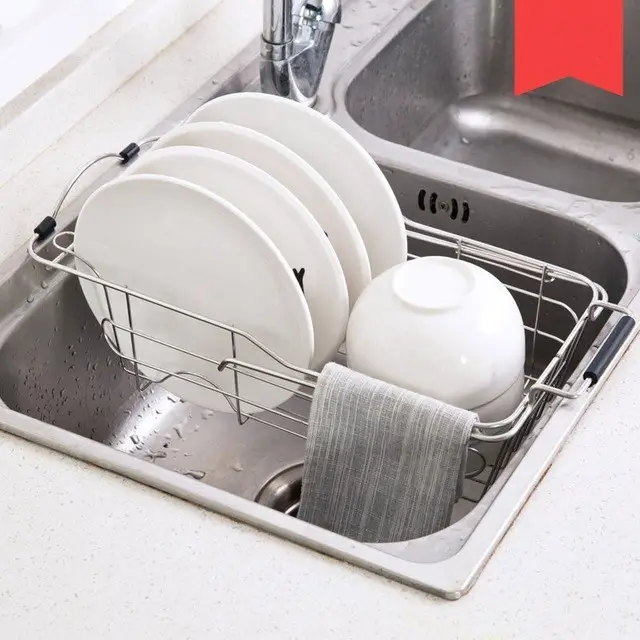
Is Pottery Dishwasher Safe?
Ceramic is prominent everywhere and is used in our everyday lives. Washing is a form of caring or cleaning for these pottery masterpieces, although the question is ceramic pottery dishwasher safe? A lot of times I have been asked questions about pottery pieces and dishwashers. Some potters claim some pottery projects can be used in…
-
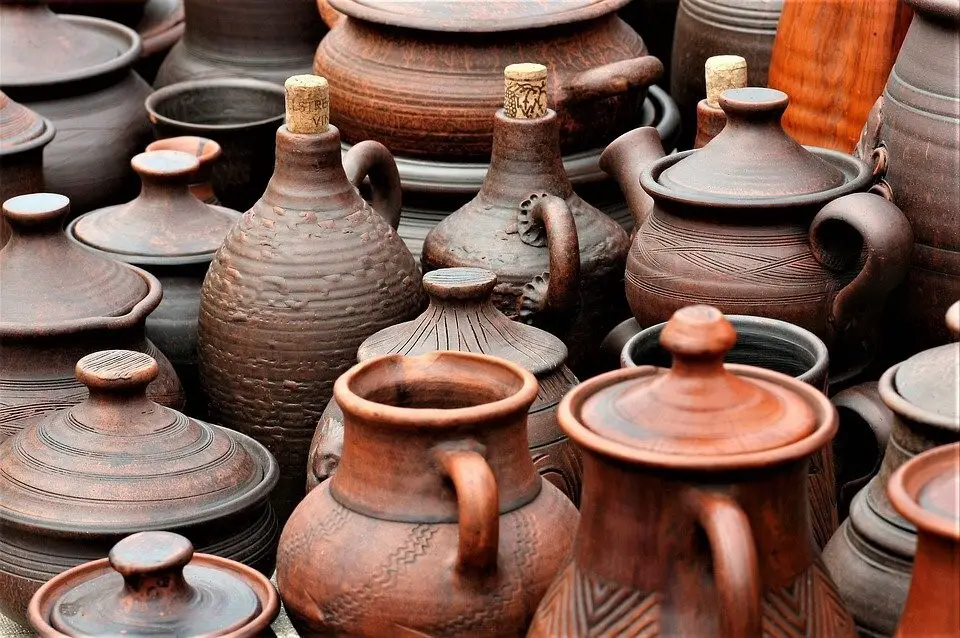
What are the three types of clay bodies?
Clay is an inspiring art material with the traditional past and contemporary values. It forms from igneous granite materials and other metamorphic rocks that break down into small stones due to various environmental changes. Humans have been transforming clay into the desired pattern as per their needs for ages. However, based on the…
-
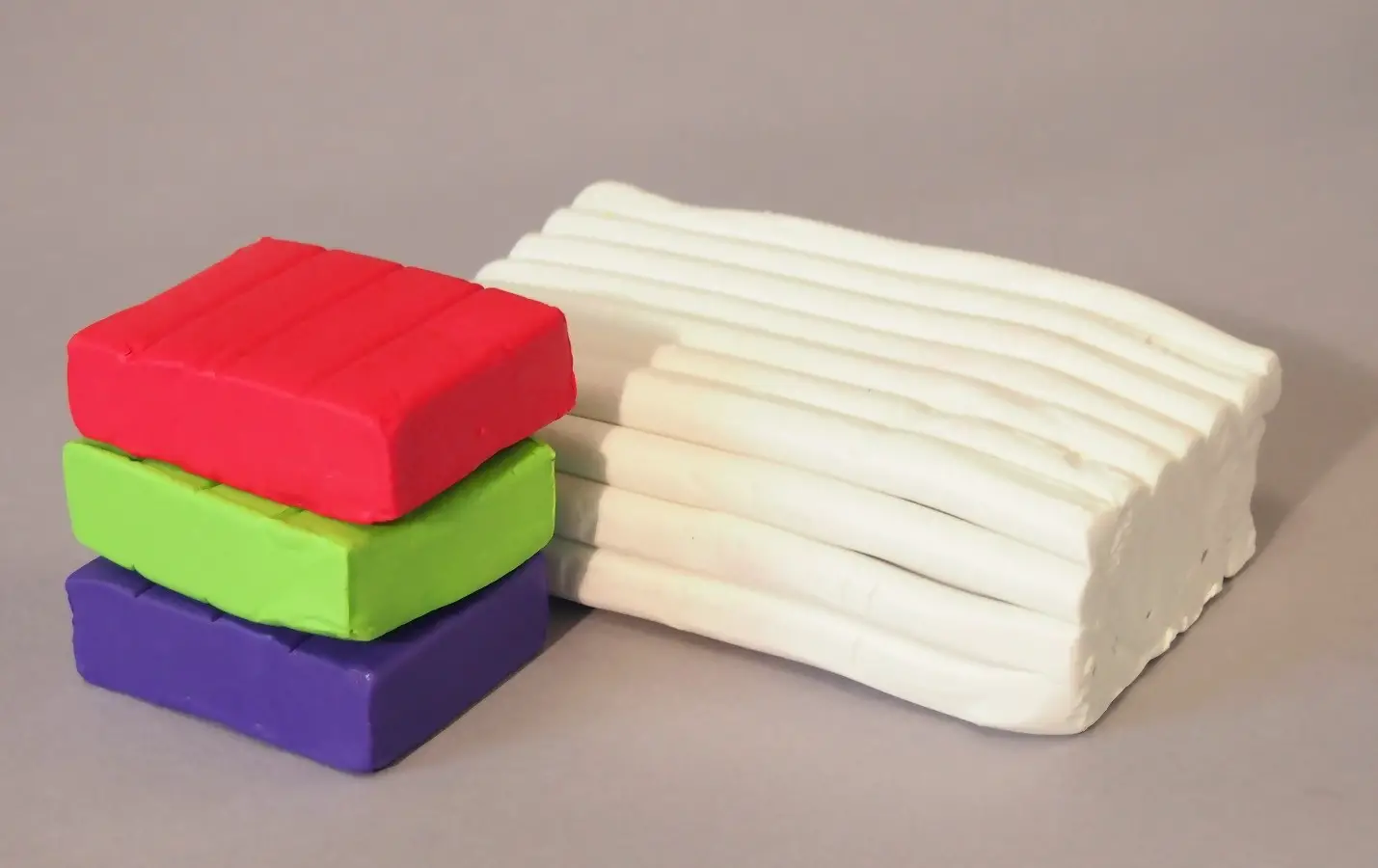
Pottery Clay vs Polymer Clay. What is the Difference?
Clay art modeling is a fun activity that involves the molding and sculpting of modeling clay into a variety of shapes and objects. Humans have been making objects, like pots, plates, bowls, sculptures, and many more, out of clay for ages. The versatility of clay allows us to use it in so many different ways.…
-

Do You Have an Allergy To Pottery Clay?
More often than not, I have been asked about allergies caused by pottery clay. Although I am not a doctor or a health professional with my peerless experience in pottery, there are a few facts about pottery and the allergies it can cause. Research has shown that people can have mold reactions to clay, especially…
-
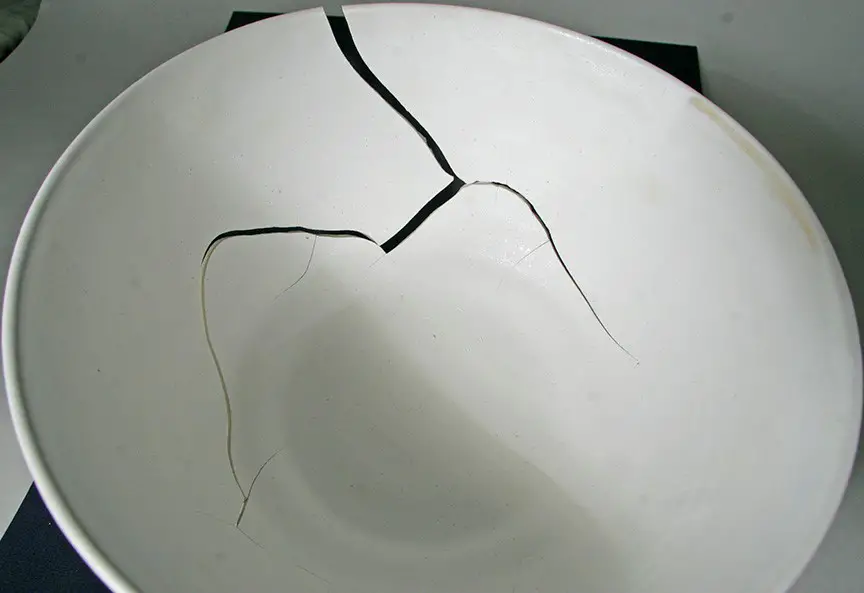
What is Dunting? Learn How to Prevent It.
At one point or another, you would have experienced dunting which is in the form of cracking or fracturing in your ceramic pieces. This is something that will make you slightly worried and furious but you should worry no more because help is here. Ha-ha. In this article, I will be discussing what dunting is,…
-
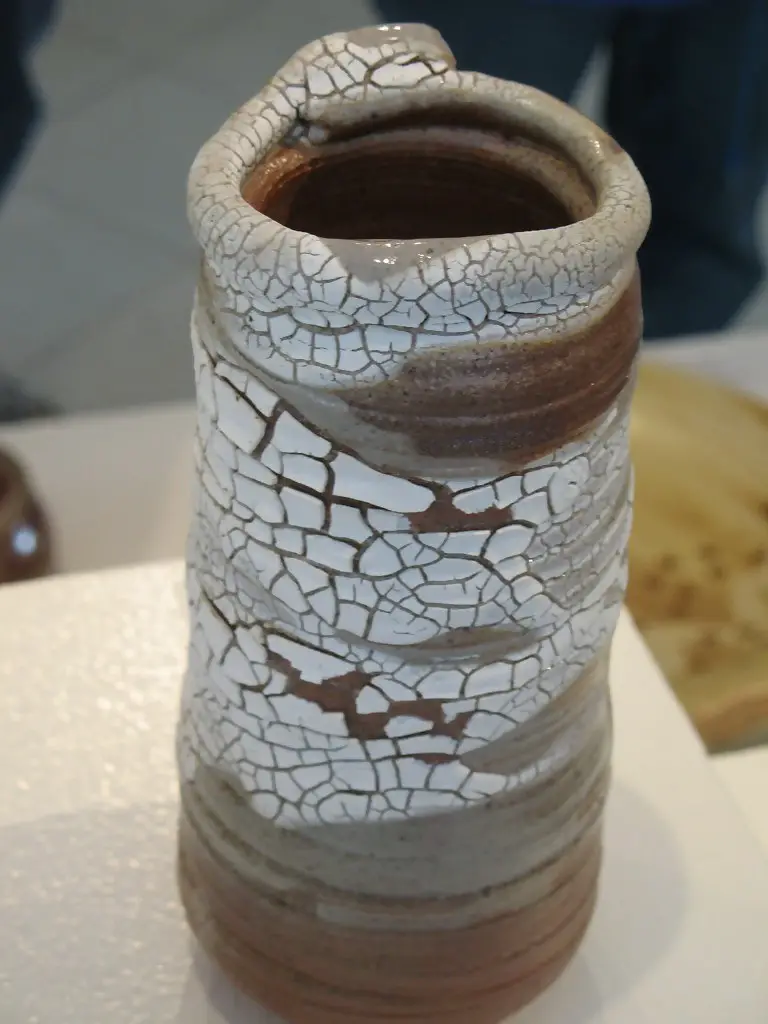
Why is Crackle Pottery So Great?
I have gotten a lot of questions recently about crackle glaze. I feel I should break down what crackle pottery is all about, its usefulness and why it is so great on pottery. Without wasting time, Crackle pottery is caused by crazing. Crazing is the most common glaze mistake and also very easy to correct.…
-
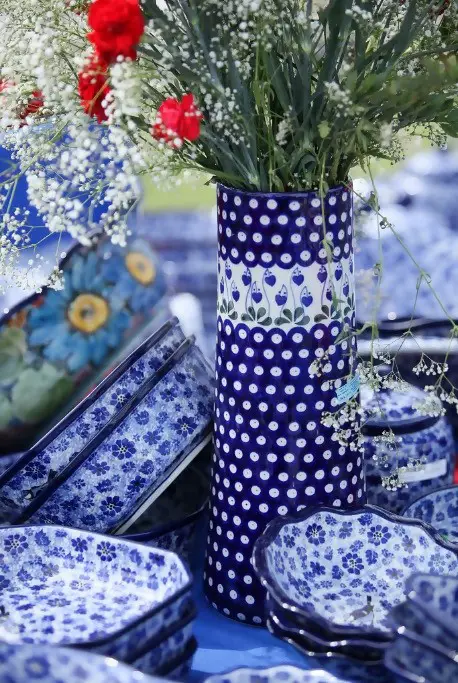
What is Polish Pottery?
As a beginner in pottery, I think it is relevant to know the different kinds of pottery that are in the world. Today, we are going to be talking about Polish Pottery. Yes, Pottery from Polish people. Lol. Polish Pottery is a type of pottery specialized in Poland. Polish Pottery is otherwise called Bolesławiec pottery.…
-
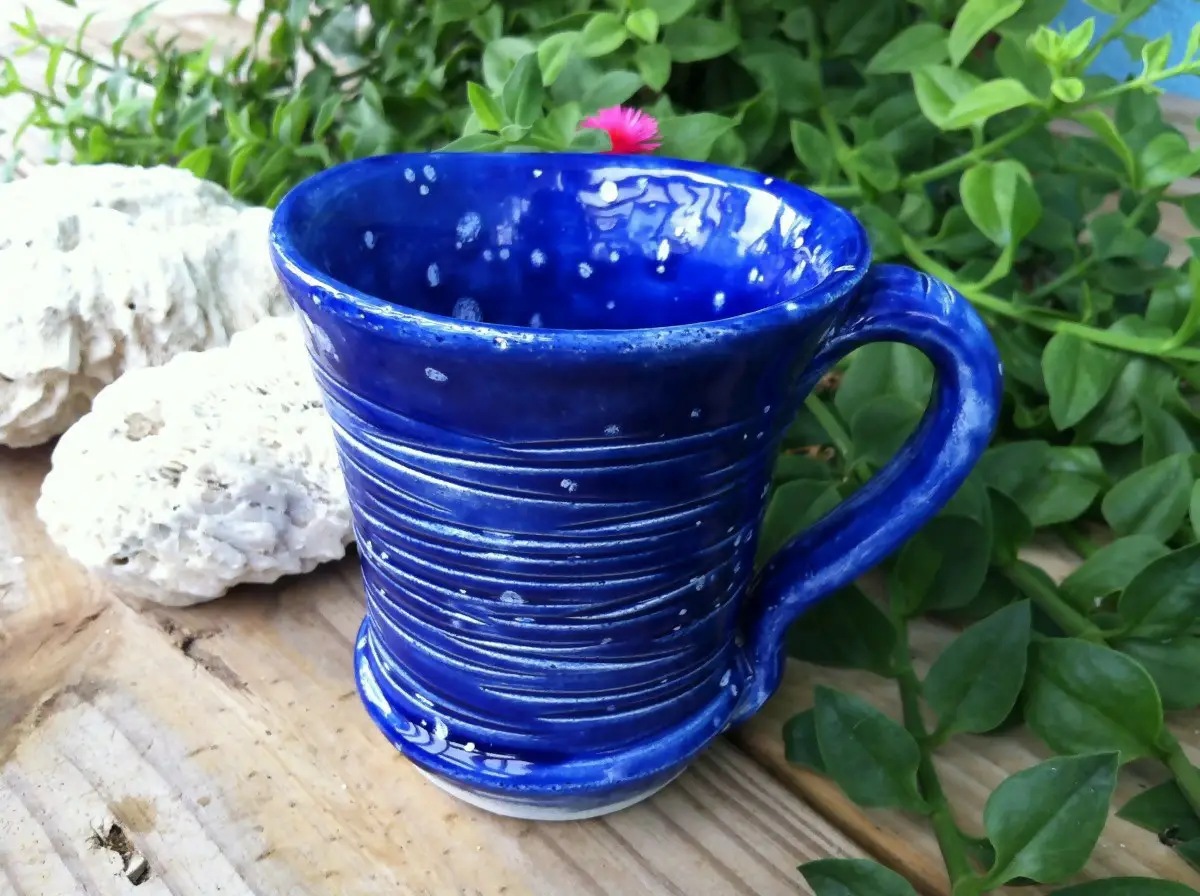
Can Ceramic Pottery Hold Boiling Water?
Something has caused an uproar in the pottery community lately. There have been diverse questions regarding pottery or ceramic and its compatibility with hot water. A few ceramic or glass items are safe for stovetop cooking and boiling water, although some will be usable for induction ranges. The issue is mainly the crystal structure of…
-
How Many Coats of Glaze Should Go On My Pottery?
Pottery is one big, never-ending learning process. In pottery, there are quite a few tricks and wonders every potter has to master. From throwing at the wheel to drying down to glazing and firing; there are top-tier skills and secrets you need to know before you are a pottery master. Today, we are going to…
-
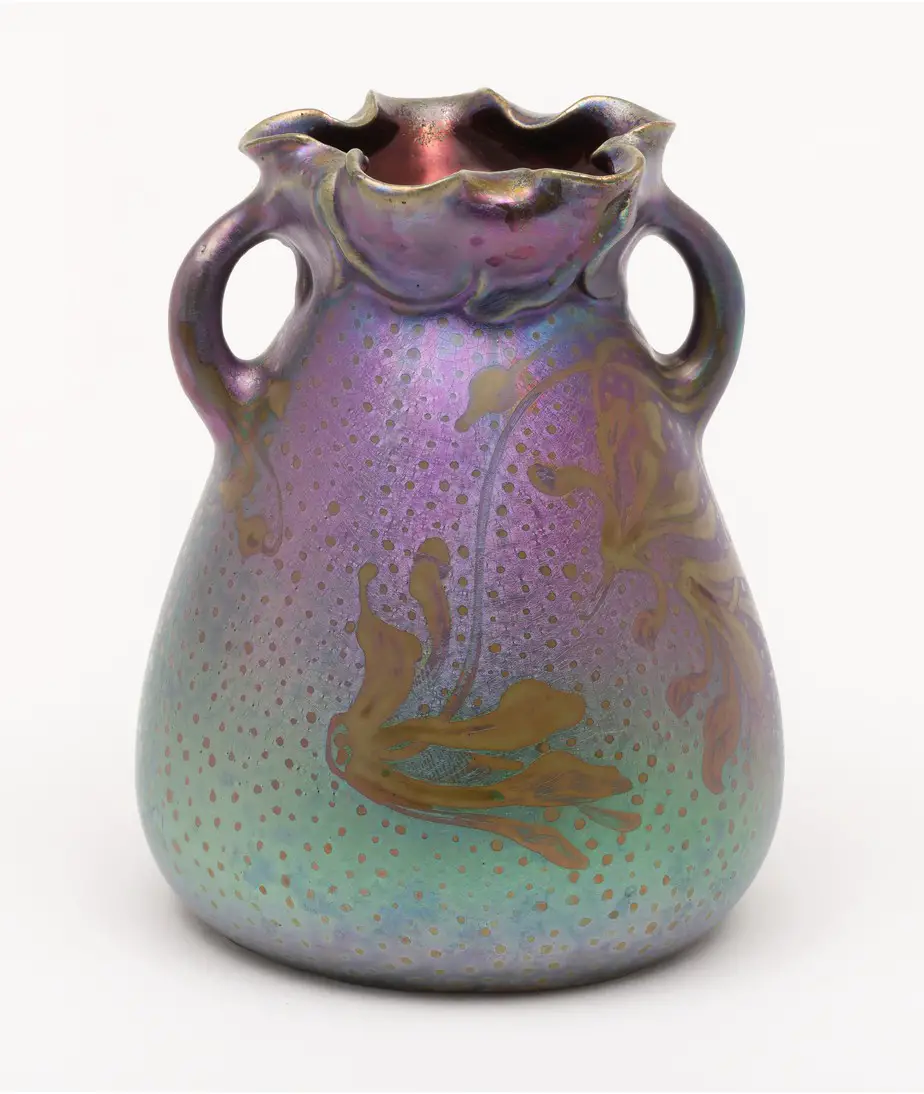
Do I Really Need To Glaze My Pottery?
I was asked recently – what do you do after molding your ceramics? You glaze them! Glazing adds a safe, sealed coating to your bisque-fired wares– thereby making your creations waterproof and food safe. It also brings life to your work and it also brings your work to life with any color you wish to…