
Equipment
-
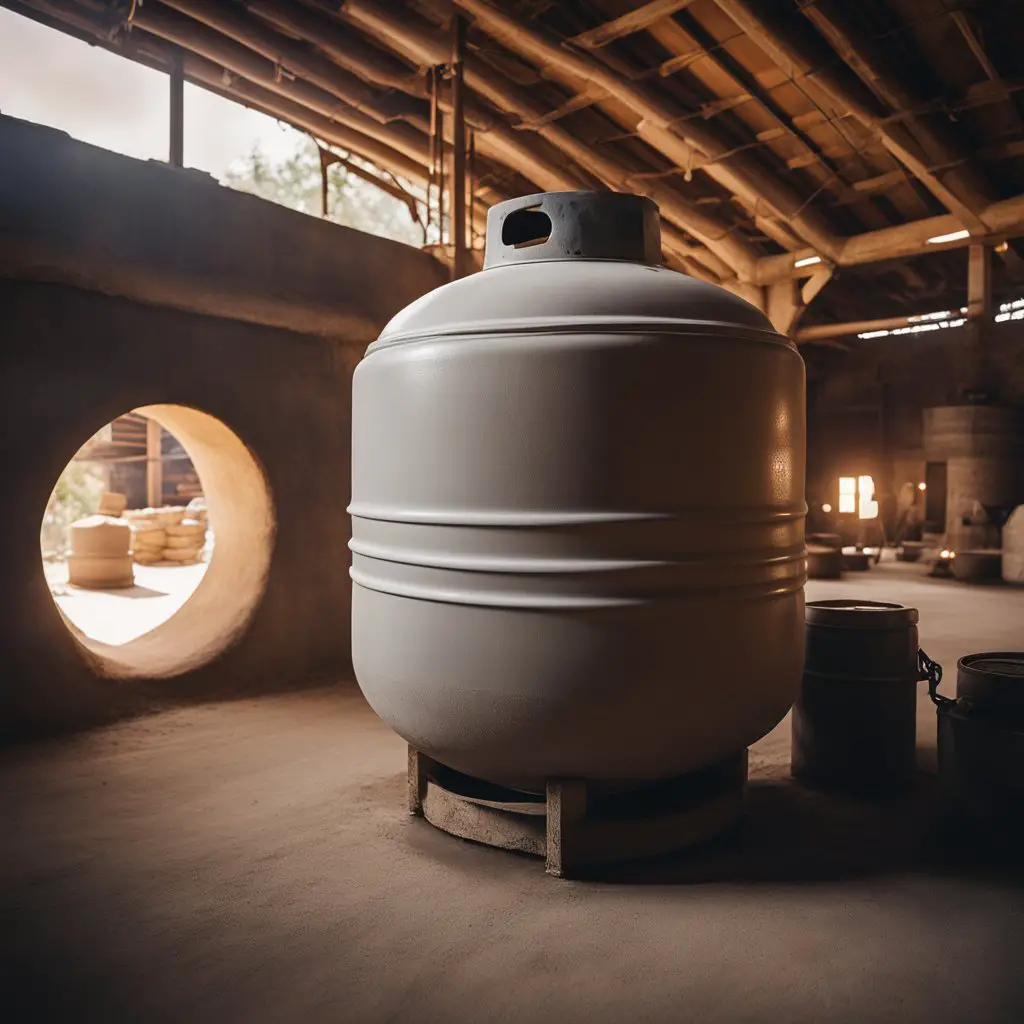
Gas Bottle Kilns: Crafting Pottery with Recycled Propane Tanks
The art of pottery is deeply rooted in human history. After all, it is a craft that has evolved over millennia to become a beloved activity. While pottery can let you explore your creative abilities to the maximum, it can also help you stay in touch with sustainable practices. These are extremely important to preserve…
-
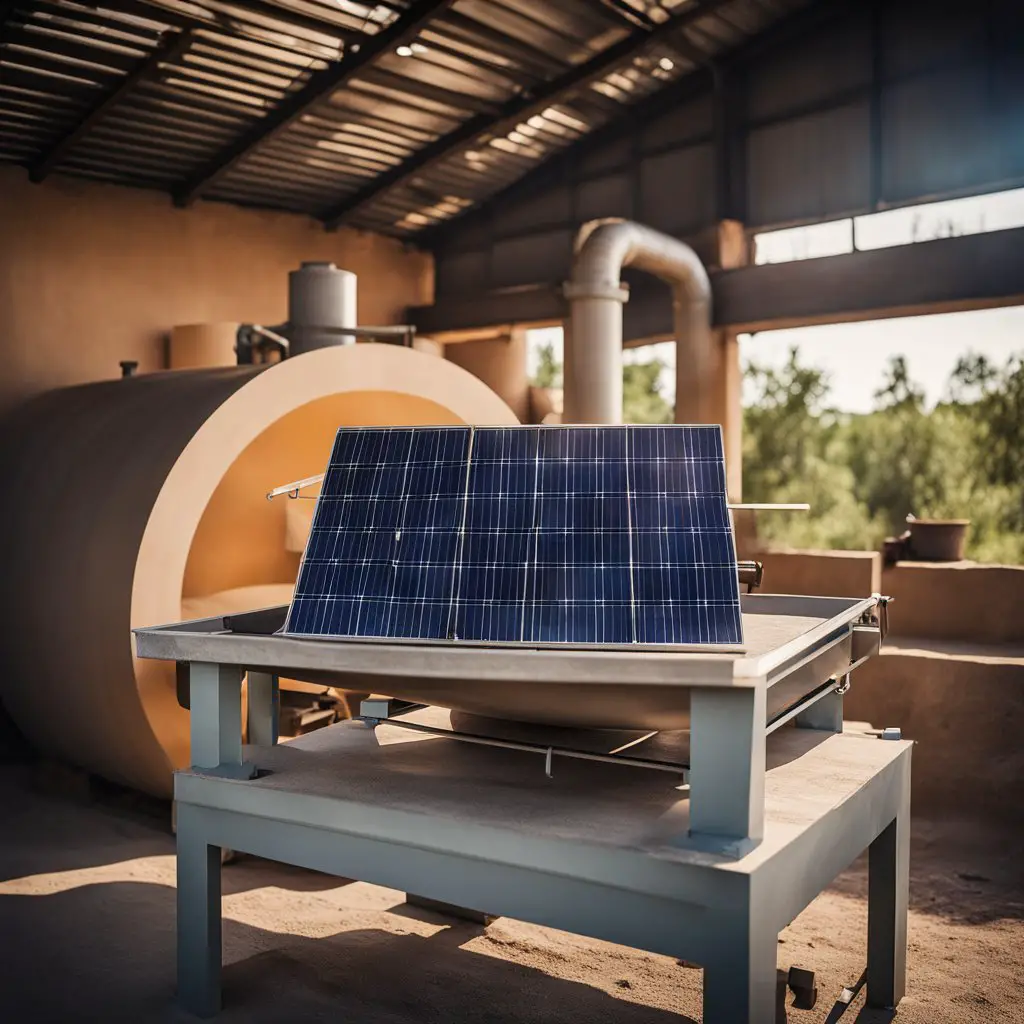
Solar Pottery Kilns: Harnessing the Sun’s Power
Given the rise of solar power usage in the country and beyond, it is time that the pottery community should also invest in this natural source of power. And many have already started exploring this eco-friendly alternative. While a big chunk of the pottery processes do not require a lot of power, the one thing…
-
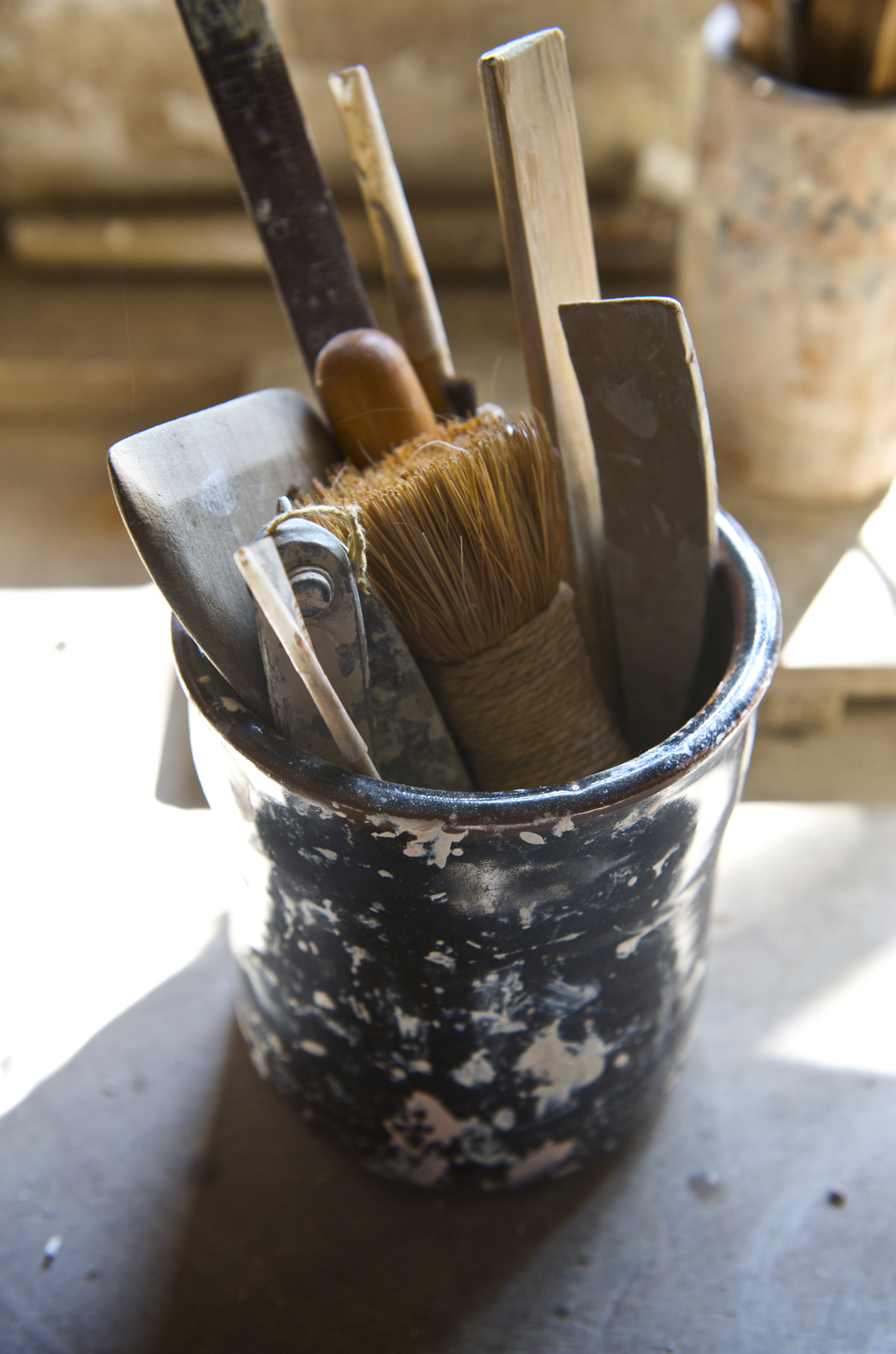
Pinch Pot Tools and Tricks: Essential Gear for Crafting Clay Magic
Pinch pot, as is obvious by the name, works with the use of pinching action with your fingers that ultimately results in a functional or decorative pottery piece. For this hand-building technique, your fingers are of course the most important tool but what else would you need to create the perfect pinch pot? What are…
-
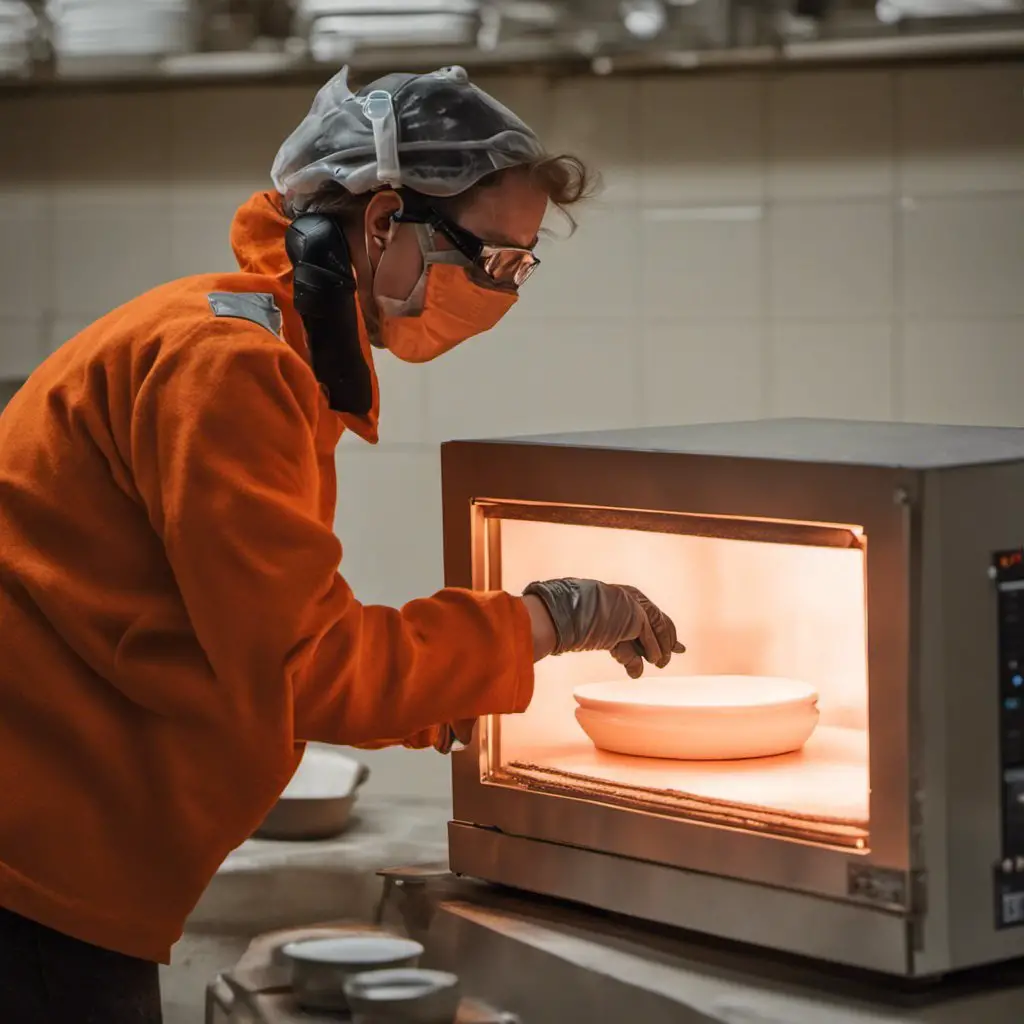
Microwave Kiln Magic: A Beginner’s Guide to Instant Pottery Firing
For beginner artists who are on a budget, a microwave kiln works magic. Not everyone can afford a traditional electric kiln or has the space to keep one. In comparison, a microwave kiln is cost-effective and small in size making it ideal for firing small miniatures. However, as easy as using a microwave kiln might…
-
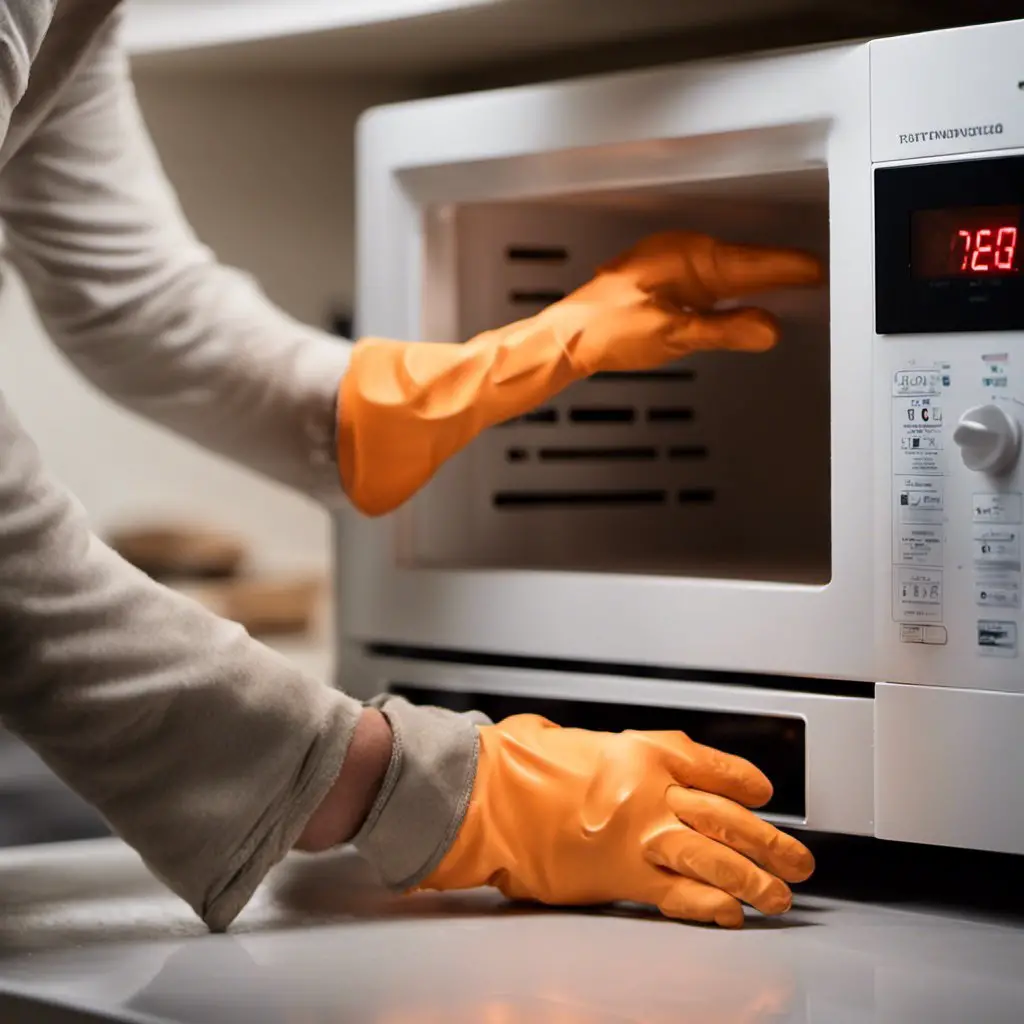
Microwave Kilns: The Miniature Marvels of Pottery Firing
Learning pottery but don’t have a kiln? Well, there is a great solution to this, microwave kilns. Yes, your microwave oven can be turned into a highly functional kiln with the help of this pottery device. However, keep in mind that you cannot fire huge sculptures or even normal-sized artwork in these kilns. They are…
-
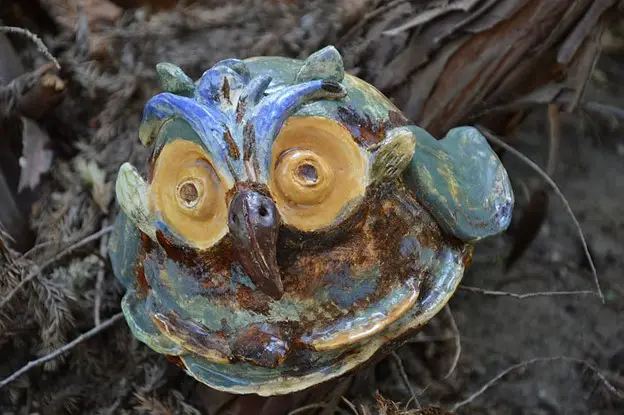
Inspirational Pinch Pot Artists: Exploring the Works of Masters
Pinch pottery is one of the popular hand-building techniques experimented on by experienced and beginner artists alike. While it’s an ideal pottery technique for pottery enthusiasts who wish to explore the pottery world, it can also be used in sync with other pottery techniques to create something beautiful. But, where would you draw your inspiration…
-
Crayola Air Dry Clay vs. Other Clay Types: Which is Right for You?
Are you just starting as a pottery artist and wondering which clay variant is the right one for you? Well, in most cases, the debate is between Crayola Air Dry Clay and other clay types like earthenware, porcelain, or stoneware. So, what should you pick for your next project? Which is the right clay variant…
-
The Number 1 Tip on Using Crayola Air-Dry Clay
Crayola Air-Dry Clay is popular among beginner and expert artists who need a versatile crafting medium. If this is your go-to brand, is there any tip to make your crafting process better and more seamless? The key is to have a damp cloth or sponge for the Crayola air-dry clay smoothing process. This is something…
-
The 1 Tip You Need To Do To Dry Air-Dry Clay In The Oven
Air-dry clay is the easiest clay to work with given the fact that it doesn’t require firing to harden. As is obvious from its name, the clay starts drying slowly once it is exposed to air. This happens within a time frame of 24 to 48 hours depending on the size of the project. However,…
-
Can You Dry Air-Dry Clay In The Oven?
Are you wondering what the best way to dry air-dry clay is? You might have heard that air-dry clay can be dried in an oven, but is that true? Can you speed up the drying process of air-dry clay with the help of an oven? Well, the straight answer is you should avoid using an…
-
The Top 3 Ways To Decorate Your Pottery With Iron Oxide
Iron oxide, although a bit messy to work with, can give you some excellent results when you use it on your pottery the right way. Whether you have previously worked with iron oxide or wish to learn more about its decorative capabilities, this blog will help you dive deeper and create some wonderful pieces of…