Equipment
-
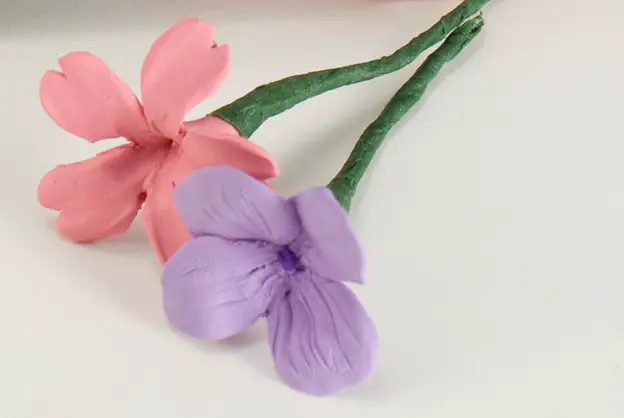
Should You Prime Air Dry Clay?
Air-dry clay is the easiest clay to practice your pottery skills with. Even if you don’t plan on using traditional clay for your artwork, you can do so much with air-dry clay. While sculpting with this clay variant isn’t rocket science, there are a few things to keep in mind before you paint or decorate…
-
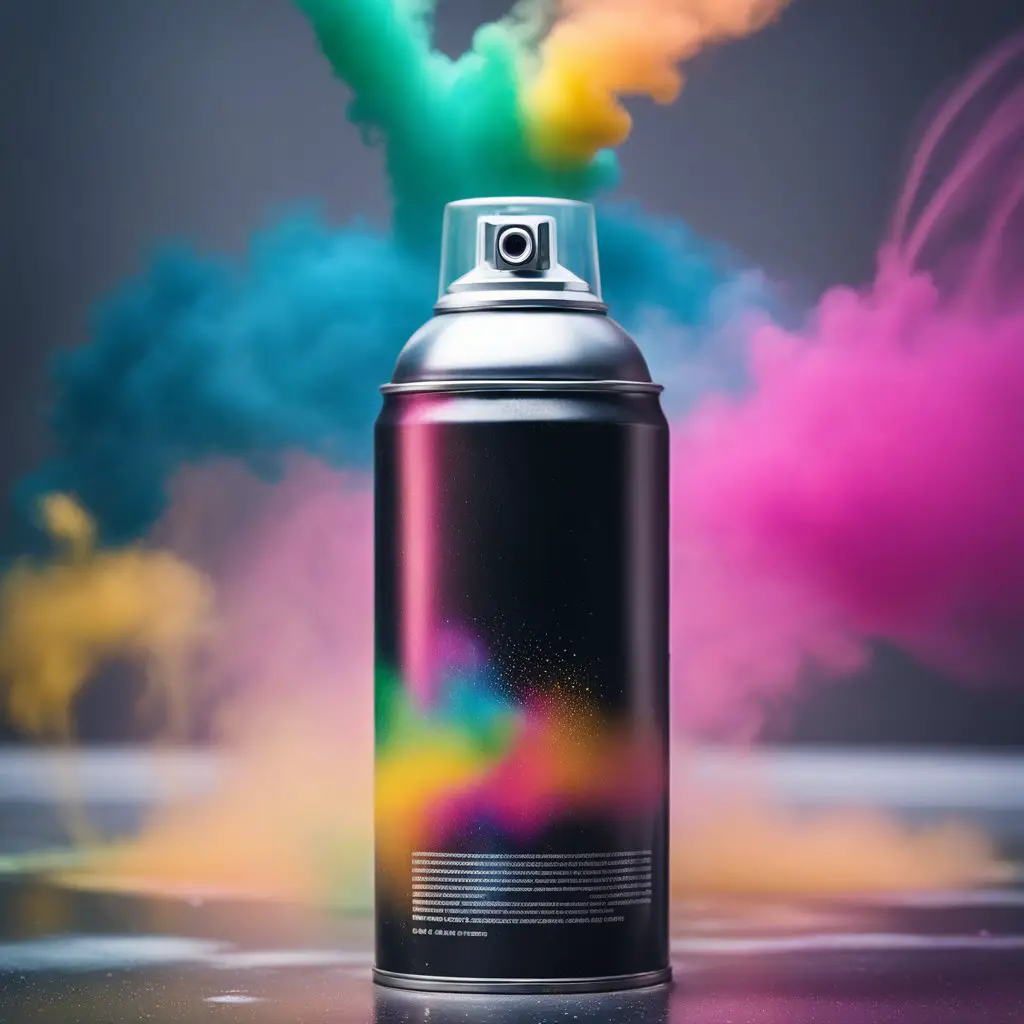
How to Spray Paint Ceramic Pottery?
Ceramic pottery ware has a shiny surface which causes most to assume that it cannot be spray painted and the only way to introduce color is through glaze firing. However, this is far from the truth. Ceramics can just as easily be painted with spray paint, and all you need to do is follow a…
-
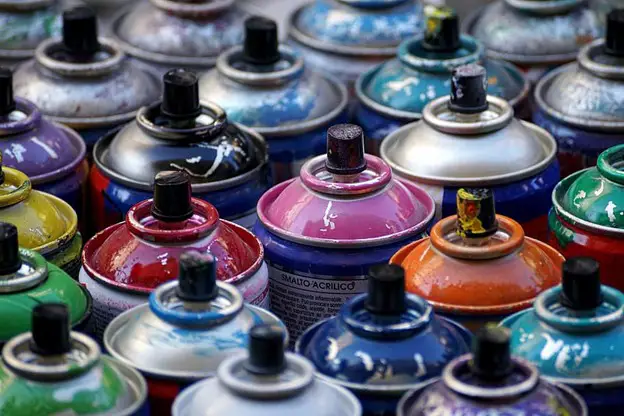
How To Use Glitter Spray Paint On Your Pottery?
Do you wish to know the tips and tricks to using glitter spray paint on your pottery pieces? Are your attempts resulting in patchy or uneven work? Painting ceramic with glitter spray paint can be a tricky task. However, when done the right way, it can help you create beautiful sparkly pieces. Whether you use…
-
What is Agateware?
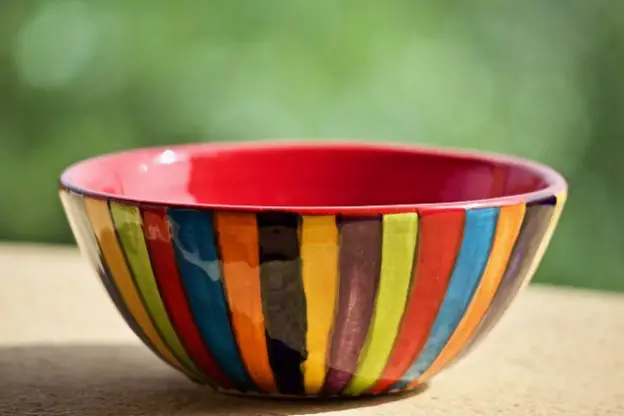
If you want to make beautiful ceramics but do not want to use colorful glazes, agateware is an excellent material to use as a substitute for the glazes. In its most basic form, agateware is produced by fusing two separate clay bodies of varying hues. This gives the finished product the impression of marble. Later…
-
Why Does My Pottery Keep Burning In The Kiln?
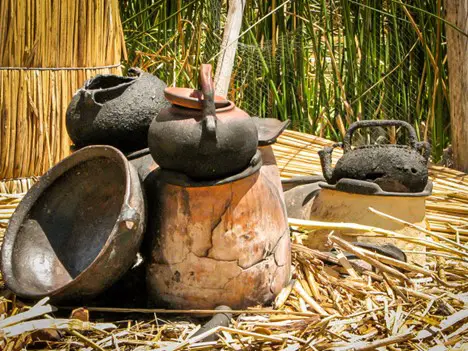
Turning clay into a piece of art takes time, energy, and lots of practice. However, even an experienced potter can make mistakes, and it’s nothing to be worked up about. Although rare, there are instances when one might end up burning their pottery pieces in the kiln during the firing process. This results in a…
-
What Drawing Materials Won’t Burn Off In The Kiln?
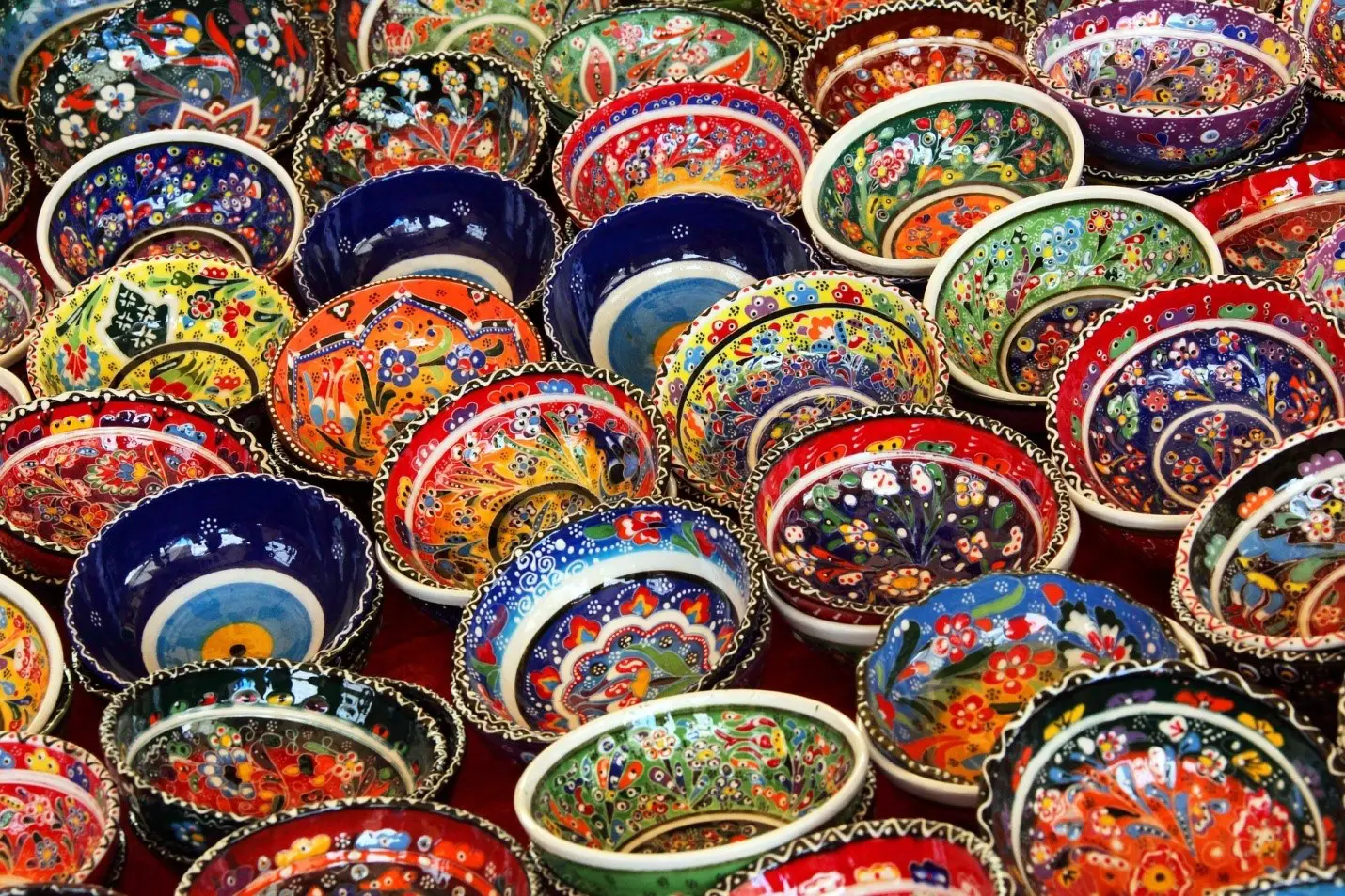
Are you tired of spending hours perfecting a ceramic piece only to find it disintegrated in the kiln? If so, you’re not alone. Many ceramists have experienced the frustration of their hard work going up in flames because of the wrong choice of drawing materials. So, how can you ensure your artwork survives the kiln?…
-
Will a Marker Burn off in the kiln?
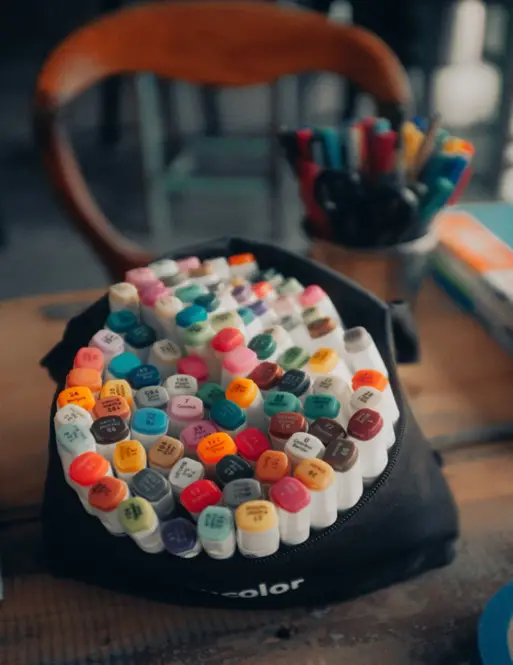
Are you considering using markers on your ceramic or pottery projects but wondering if they will withstand the high temperatures of a kiln? While markers are a popular choice for decorating ceramics, their heat resistance may vary depending on the type of marker and the firing temperature. It’s a common misconception that any marker will…
-
Deouss’ Potters Throwing Clay: Review
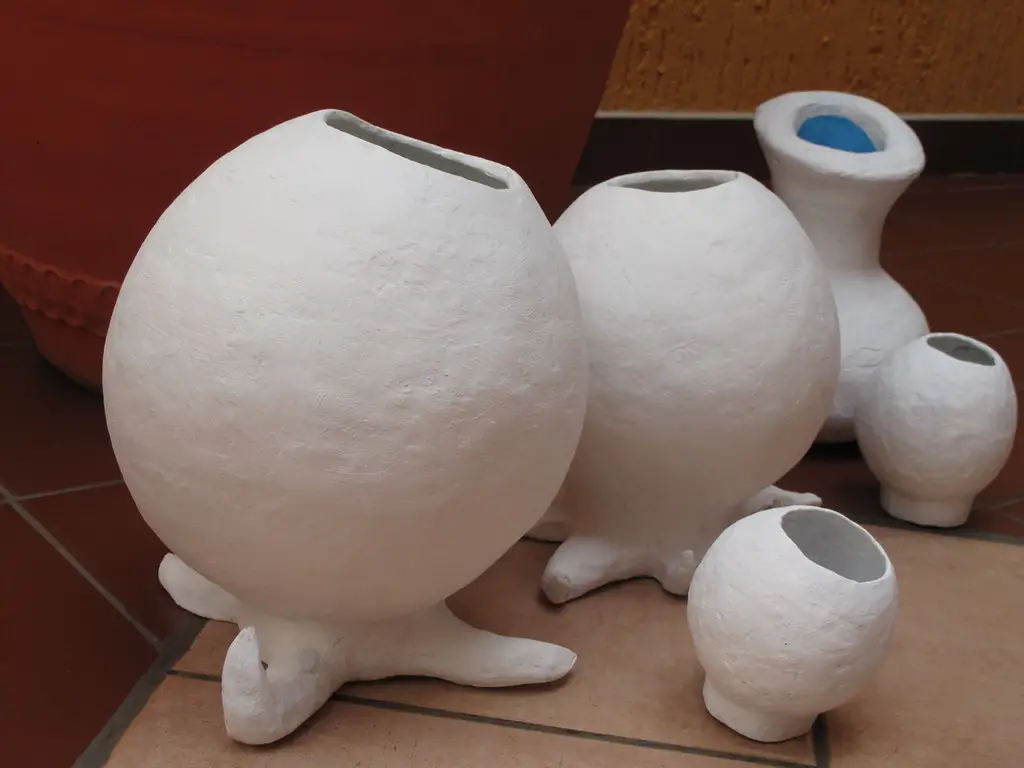
Pottery has been a beloved art form for centuries, allowing artists to mold and shape clay into beautiful and functional pieces. However, each step requires specific skills and materials, from the potter’s wheel to the kiln. Deouss’ Potters Throwing Clay is a critical component in this world, offering ceramic enthusiasts an opportunity to bring their…
-
Crayola’s Air Dry Clay For Kids For Kids: Review
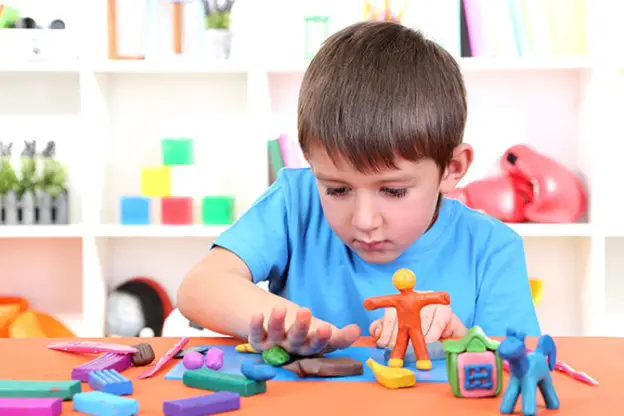
Introduction: Art and creativity are like a breath of fresh air. It’s nothing less than magic, especially for the younger generations! And when it comes to unleashing the creative beast within, Crayola has been a trusted name for ages. One of their most renowned products –the Air Dry Clay, has taken the world of sculpting…
-
Xiem Tools Telescoping X-Sponge II: Review
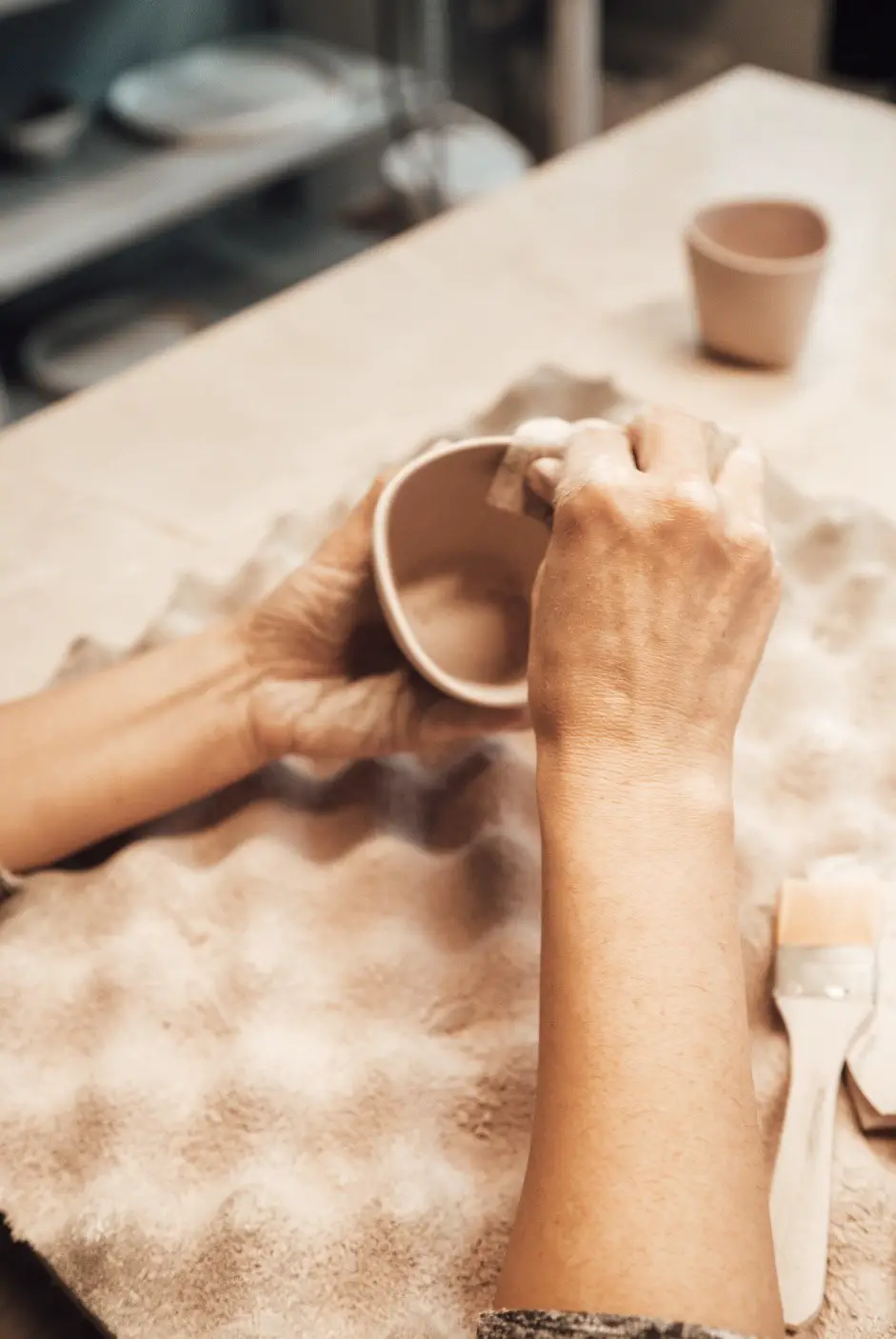
Pottery is a fascinating art form that requires patience, skill, and the right tools to create beautiful and functional pieces. One of the essential tools in a potter’s arsenal is the sponge, which is used to smooth and shape the clay while it’s still wet. However, with a plethora of options available, it’s often overwhelming…
-
Augernis ceramic clay sculpting tool kit: Review
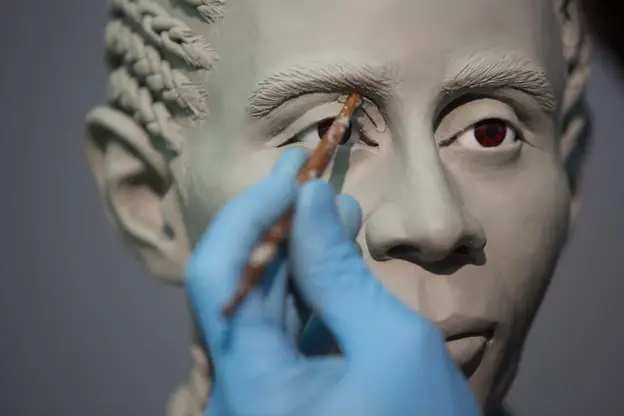
Sculpting is a crucial aspect of ceramic pottery as it adds a three-dimensional element to the otherwise flat surface of the pot. It allows the artist to create intricate designs, textures, and shapes that can enhance the piece’s visual appeal. The best way to achieve the creative design on the pot is by using a…